

Patata
How to recognize and combat late blight in potatoes
Late Blight
Oomycete
Type:
Risk to the plant:
CRITICAL
Phytophthora Infestans
Pathogen:
Phytophthora


WHO CAUSES IT?
Phytophthora infestans is an oomycete, often called water mold, that causes the disease known as late blight in potato crops. This pathogen reproduces through spores that are dispersed through the air and water, infecting potato plants in conditions of high humidity and moderate temperatures. During its life cycle, Phytophthora infestans can produce asexual spores (sporangia) that spread rapidly and cause infection in nearby crops.
.png)
SYMPTOMS
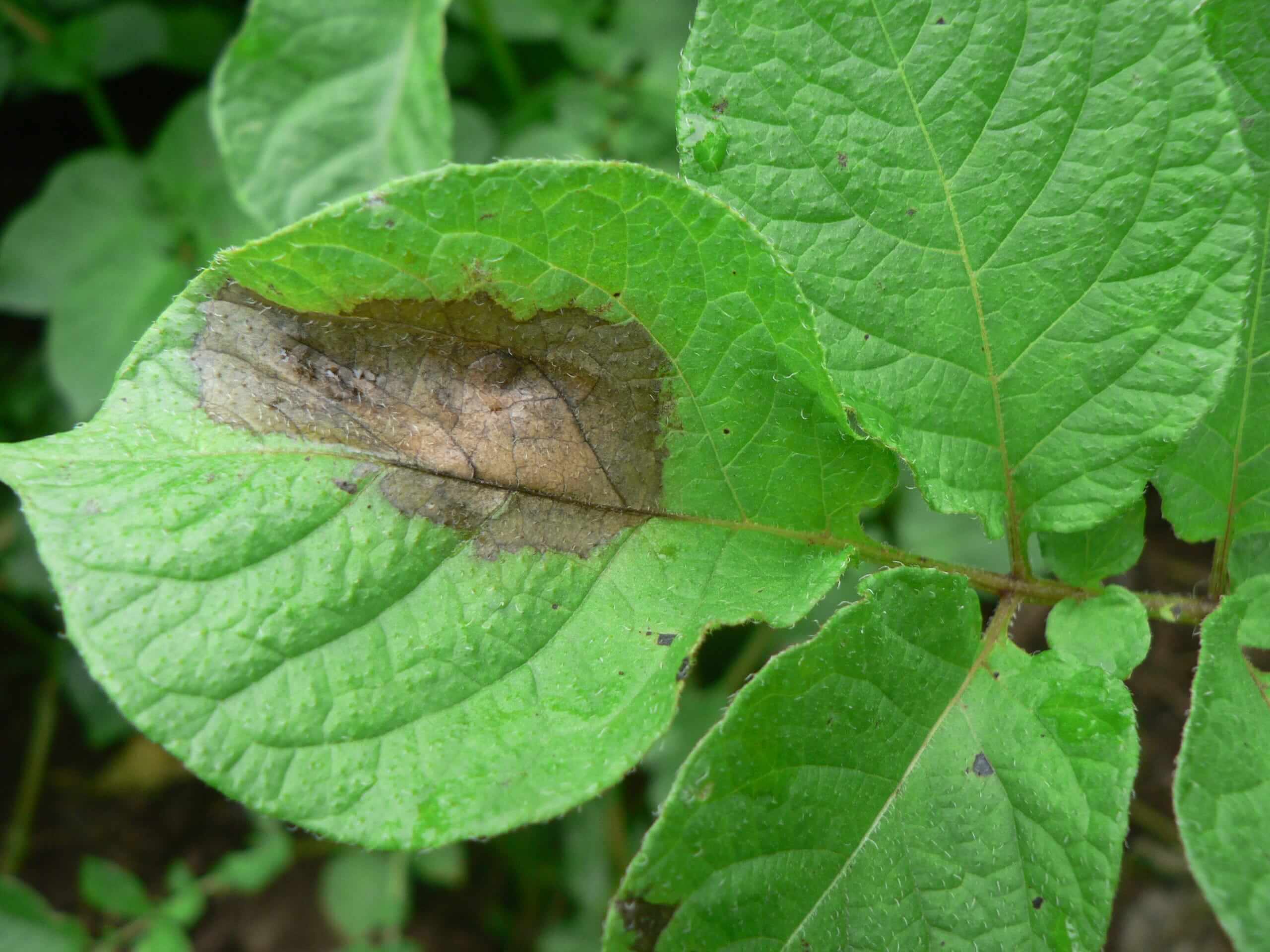
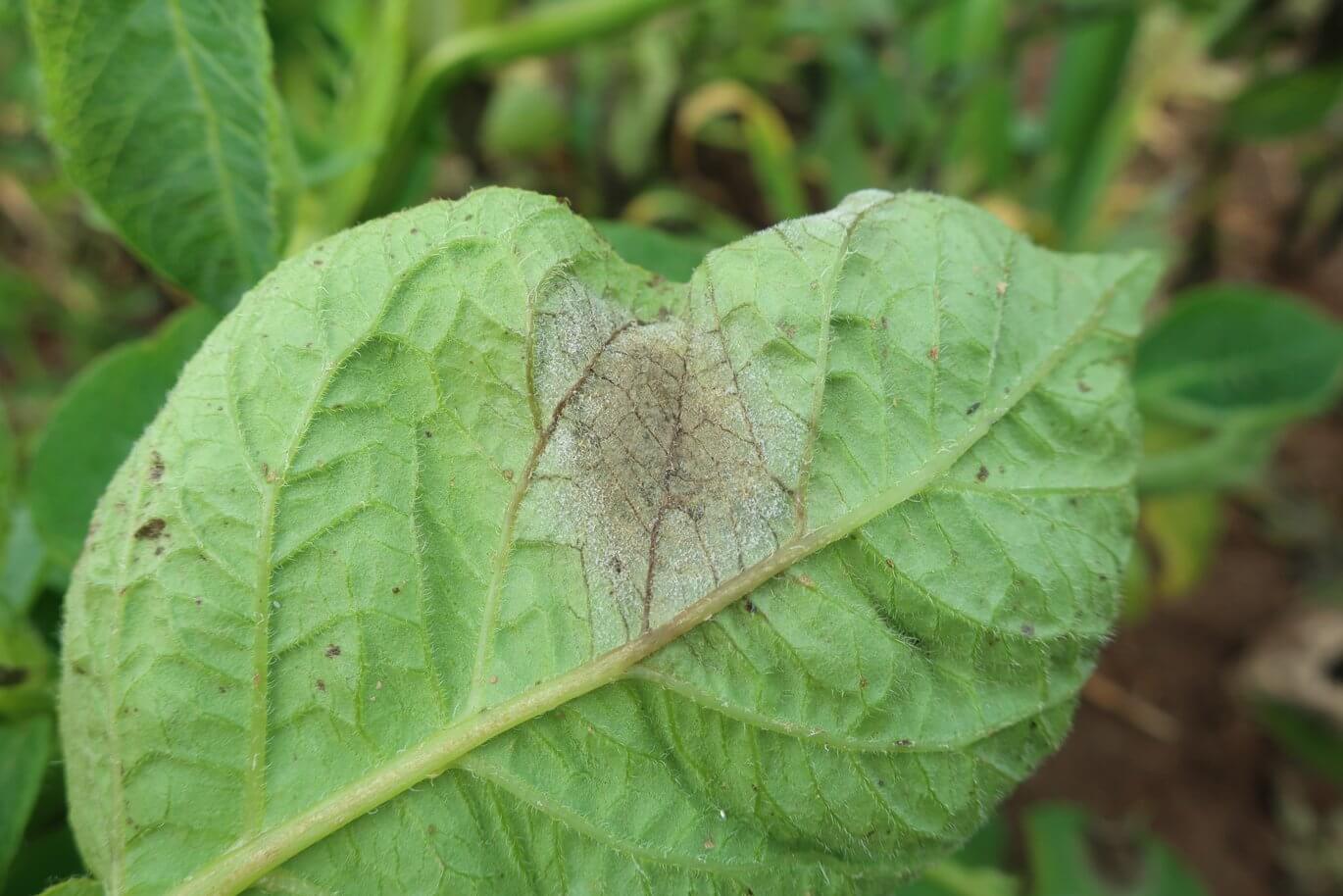
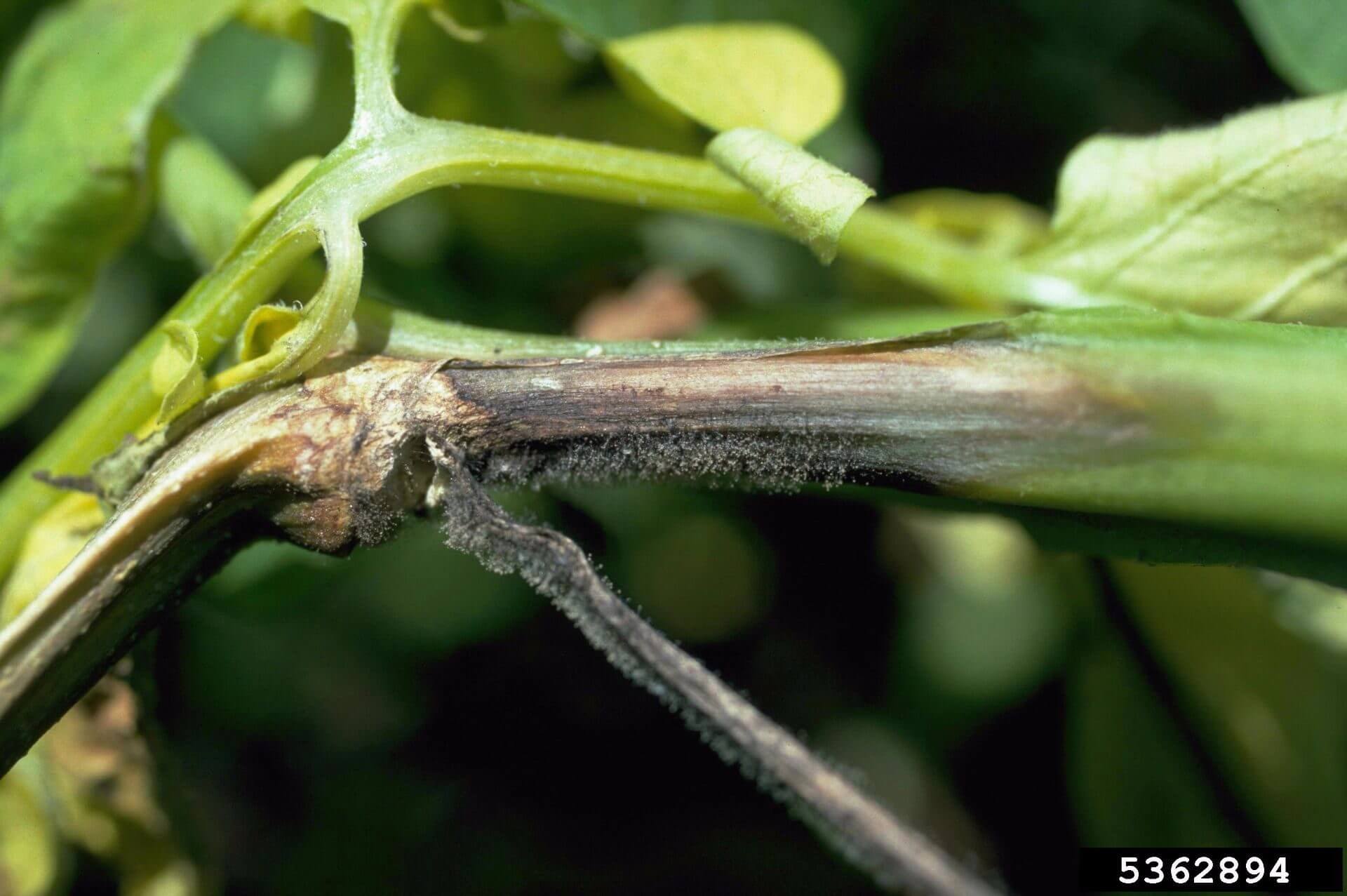
Late blight produces symptoms on potato leaves, stems and tubers. The leaves develop dark, moist Taches, which may be surrounded by a whitish halo. In the stems, the infection can cause necrosis and weakening of the plant. Infected tubers show dark, sunken lesions on the skin, which can extend to the pulp, causing rot.
• Dark, wet Taches on the leaves, surrounded by a whitish halo.
• Necrosis in the stems and weakening of the plant.
• Dark, sunken lesions on the tubers.
• Rotting of infected tubers.


DEVELOPMENT CONDITIONS
Temperature:
15°C - 20°C
Humidity:
90% - 100%

HOW IS IT SPREAD?
Spores transported by air, water, direct contact with infected plants or tubers.

HOW TO ELIMINATE IT?
Home treatments
There are no home treatments
Natural allies
Chemical treatments
There are no treatments for this disease. Treatments are directed at the insect vectors that transmit it. See insect treatments.
RECOMMENDED PRODUCTS TO ELIMINATE THE PEST
Sponsored link
Sponsored link


Sponsored link
Sponsored link
Sponsored link


Sponsored link
Sponsored link
Effective against all types of fungi

Sponsored link


Sponsored link
Sponsored link

Sponsored link


Sponsored link

REPELLENT PLANTS

RECOMMENDATIONS
OTHER PESTS THAT MAY INTEREST YOU


DID YOU LIKE IT?
Now you can always have it on your mobile, without ads and totally FREE. TRY idMicrobe NOW!


