

Vid
How to recognize and combat powdery mildew in vines
Powdery Mildew
Fungus
Type:
Risk to the plant:
HIGH
Uncinula Necator / Erysiphe Necator
Pathogen:
Oídio


WHO CAUSES IT?
Uncinula necator, also known as Erysiphe necator, is a pathogenic fungus that mainly affects grapevines. This fungus survives during the winter in the form of cleistothecia, resistant structures found in plant residues and in the cracks of the vine bark. With the onset of spring, these structures release spores that are carried by the wind to the young parts of the plant. Once the spores land on the leaves, shoots or clusters, they germinate if conditions are favorable and form a structure called mycelium that grows on the surface of the plant tissue, feeding on the plant cells. This mycelium, with a powdery and whitish appearance, produces new spores that are released to continue infecting more parts of the vine. Disease development is accelerated by warm, humid climates, allowing several cycles of infection during the growing season.
.png)
SYMPTOMS
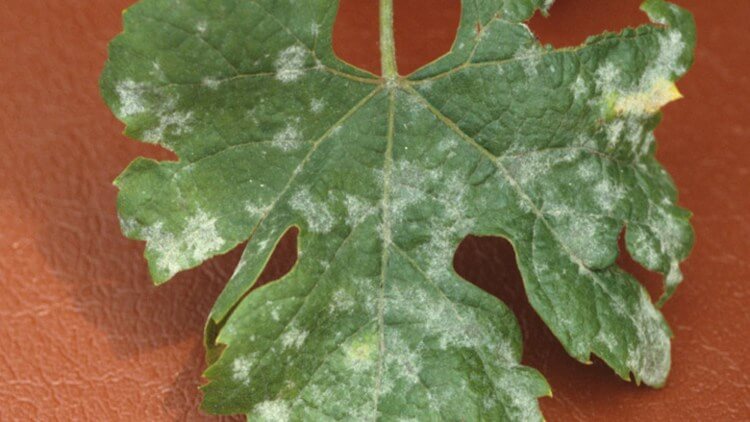
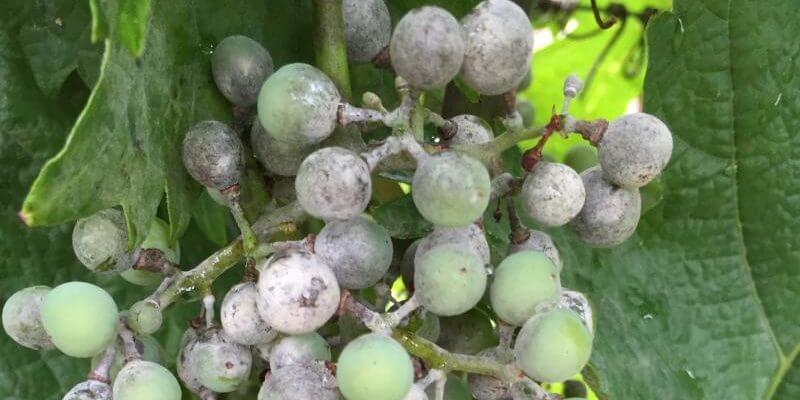
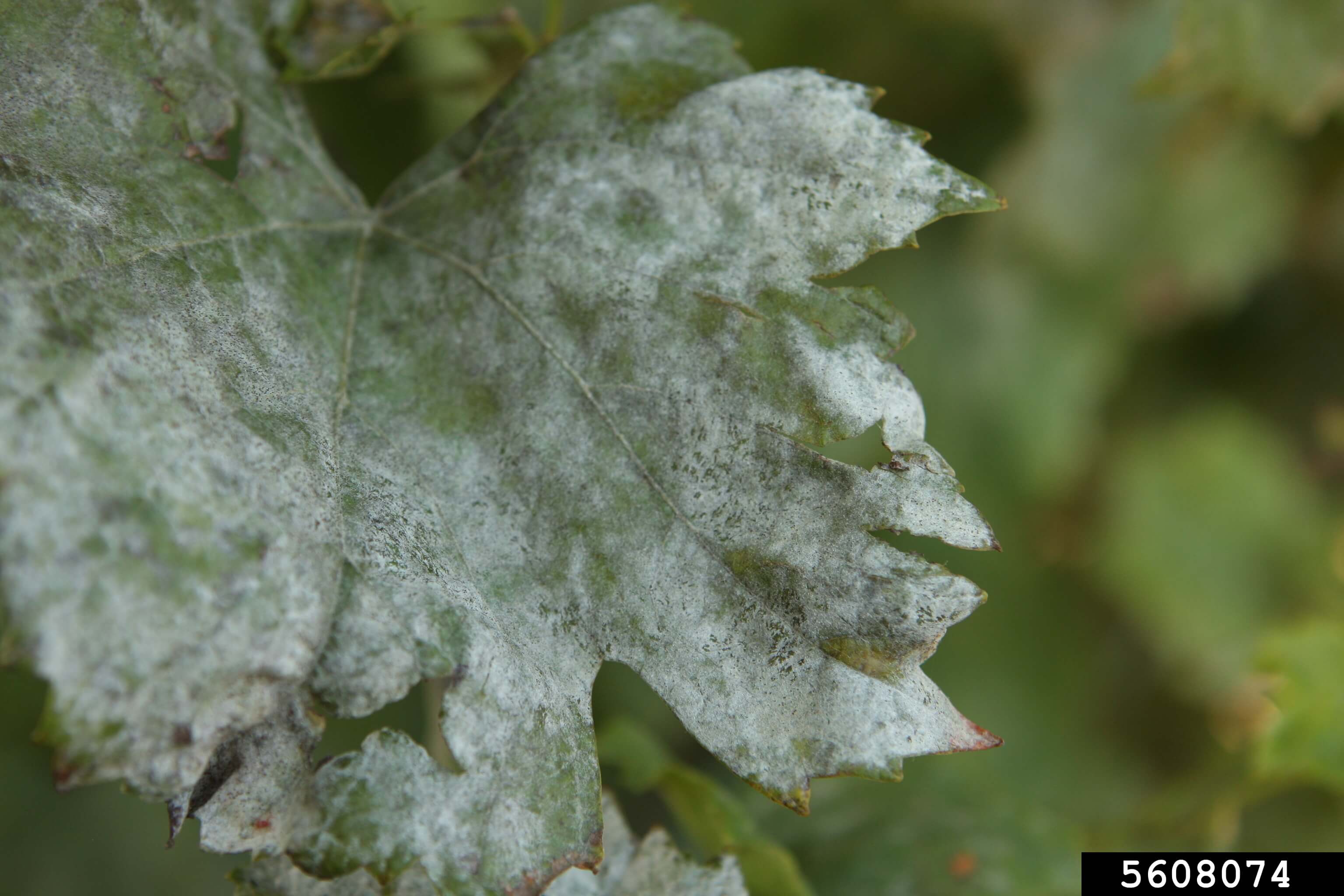
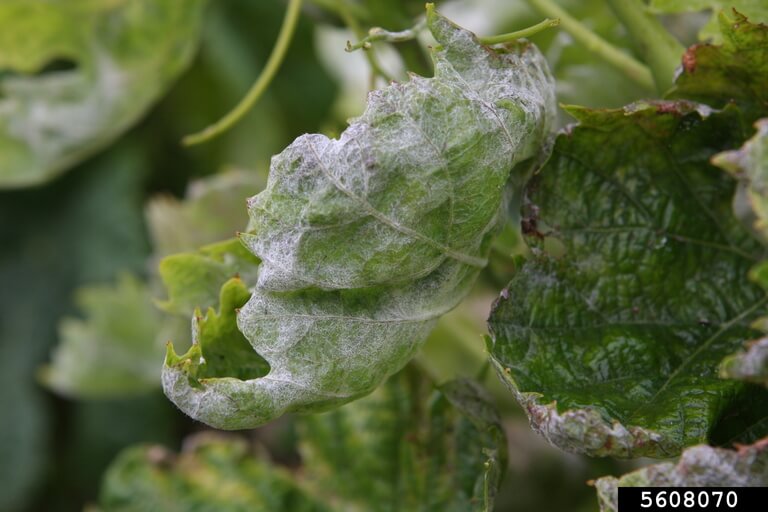
Powdery mildew caused by Uncinula necator is a disease that seriously affects vine production. It manifests itself mainly in the leaves, stems and bunches of grapes, and can significantly reduce the quality and quantity of the harvest if not properly controlled. The first signs of infection usually appear as chlorotic Taches on the leaves that later develop a white powdery coating. As the disease progresses, affected parts may become deformed, wither, or dry.
- Appearance of a white, powdery layer on the leaves, stems and bunches.
- Chlorotic Taches on the leaves that progress to necrosis.
- Deformation of leaves and young shoots.
- Delay in the growth of shoots and clusters.
- Cracking and malformation of the grapes, which affects their quality.
- Premature fall of affected leaves in severe infections.


DEVELOPMENT CONDITIONS
Temperature:
20°C - 25°C
Humidity:
70% - 80%

HOW IS IT SPREAD?
Spores carried by the wind, direct contact between infected and healthy leaves, cleistothecia in plant remains, contaminated instruments

HOW TO ELIMINATE IT?
Home treatments
There are no home treatments
Natural allies
Chemical treatments
There are no treatments for this disease. Treatments are directed at the insect vectors that transmit it. See insect treatments.
RECOMMENDED PRODUCTS TO ELIMINATE THE PEST
Sponsored link

Sponsored link


Sponsored link
Sponsored link
Sponsored link


Sponsored link
Sponsored link
Effective against all types of fungi

Sponsored link


Sponsored link
Sponsored link

Sponsored link


Sponsored link

REPELLENT PLANTS

RECOMMENDATIONS
OTHER PESTS THAT MAY INTEREST YOU


DID YOU LIKE IT?
Now you can always have it on your mobile, without ads and totally FREE. TRY idMicrobe NOW!


