


Symptoms, treatments and recommendations for treating ficus mite
Ficus Mite
Aceria Ficus
Pathogen:
Type:
Insect
Risk:
HIGH
Higo o higuera
Ácaros

WHO CAUSES IT?
Aceria ficus, known as the ficus mite, is a tiny mite that parasitizes fig trees. These mites are microscopic and elongated in shape, with just two pairs of legs on the front part of their body. Mites reproduce rapidly, and their populations can increase significantly under favorable conditions. Females lay their eggs in the buds and under the scales of the leaves. The eggs hatch into larvae that, after several molts, become adults. These adults feed on the sap of the leaves and shoots, causing significant damage to the plant. Spread of mites can occur through wind, animals, contaminated pruning tools, and infested plant material.

SYMPTOMS
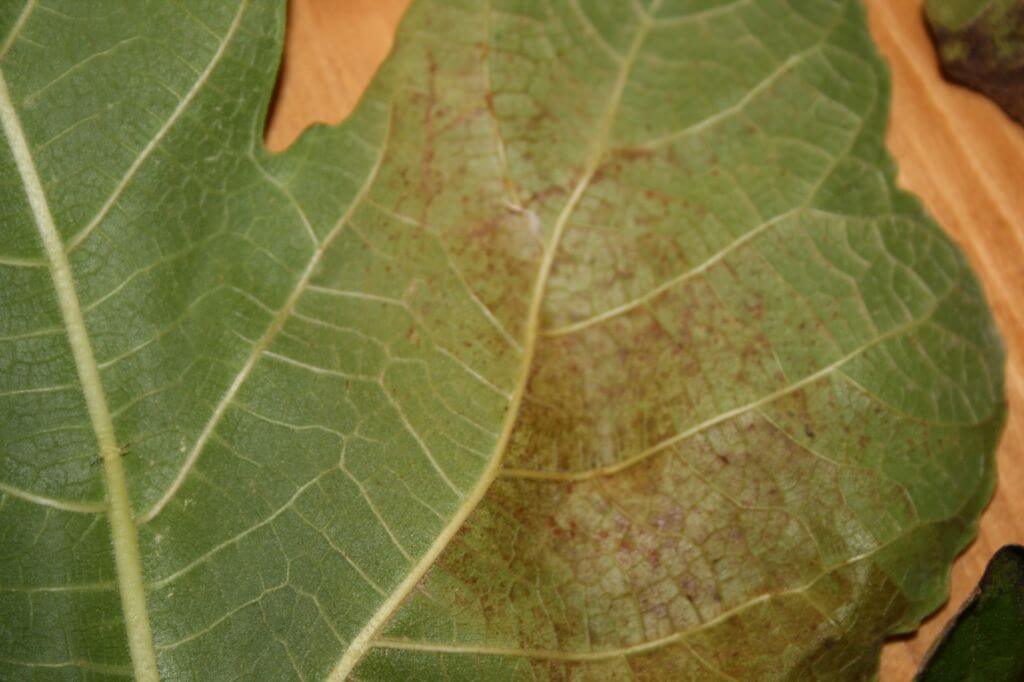
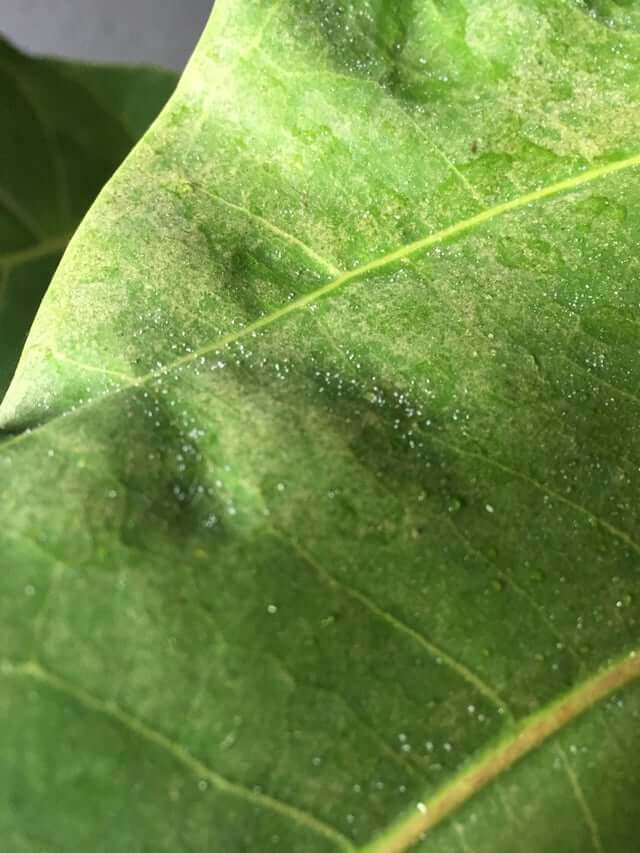
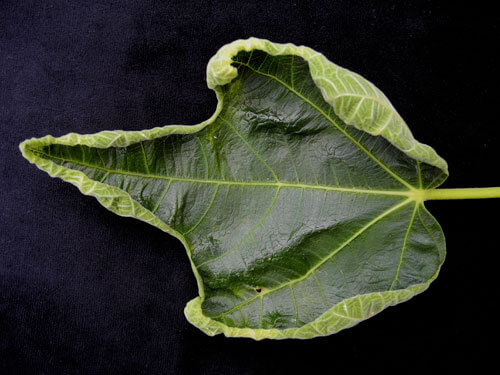
The disease caused by Aceria ficus in the fig or fig tree is characterized by a series of symptoms that affect both the appearance and health of the plant. Mite feeding causes deformation of the leaves and shoots, which reduces the photosynthetic capacity of the plant and, in severe cases, can affect fruit production.
- Swelling and deformation of leaves and shoots.
- Appearance of chlorotic Taches on the leaves.
- Delay in plant growth.
- Production of abnormal shoots and shortening of internodes.
- Damage to the fruits, which may appear deformed or with Taches.


TEMPERATURE AND HUMIDITY
20-30 °C
60-80 %

TRANSMISSION PATHS
Wind, animals, contaminated tools, infested plant material
Do you want to remove this disease? Choose how you want to treat it.

TREATMENTS
Chemical treatment
• ORANGE OIL 60g/L [ME] P/S
• PARAFFIN OIL (CAS [64742-46-7]) 79% [EC] P/V
• PARAFFIN OIL (CAS [8042-47-5]) 54.6% [EW] P/V
• PARAFFIN OIL (CAS [97862-82-3]) 40% [EW] P/V
• SULFUR 70% [SC] P/V
• SULFUR 80% [WG] P/P
• ALUMINUM PHOSPHIDE 56% (0.6 G/TABLET) [GE] P/P
• ALUMINUM PHOSPHIDE 56% (3 G/TABLET) [GE] P/P
• ALUMINUM PHOSPHIDE 56% [GE] P/P
• MALTODEXTRIN 47.6% [SL] P/V
• POTASSIUM SALTS OF FATTY ACIDS C14-C20 48% [EW] P/V
• DIATOMAEAN EARTH 100% [CP] P/P
Authorized treatments in organic farming
• ORANGE OIL 60g/L [ME] P/S
• PARAFFIN OIL (CAS [64742-46-7]) 79% [EC] P/V
• PARAFFIN OIL (CAS [8042-47-5]) 54.6% [EW] P/V
• PARAFFIN OIL (CAS [97862-82-3]) 40% [EW] P/V
• SULFUR 70% [SC] P/V
• SULFUR 80% [WG] P/P
• MALTODEXTRIN 47.6% [SL] P/V
• POTASSIUM SALTS OF FATTY ACIDS C14-C20 48% [EW] P/V
• DIATOMAEAN EARTH 100% [CP] P/P
Biological control
• CHRYSOPERLA CARNEA
• METARHIZIUM BRUNNEUM strain Ma 43 10.5% [OD] P/V
Recommendations
- Carry out regular inspections of the plants to detect the presence of mites early.
- Use pest-free planting material, ensuring that the cuttings and seedlings are healthy.
- Apply specific acaricidal treatments at key moments of mite development, following technical recommendations.
- Promote biological control using natural predators of mites, such as phytoseiids and other natural enemies.
- Maintain good hygiene in the garden, eliminating plant debris and weeds that can serve as a refuge for mites.
- Avoid using contaminated pruning tools and disinfect them before using them on other plants.
- Control the movement of plants and plant material between orchards to prevent the spread of mites.





*The recommended treatments are still recommendations according to the databases of the authorities and at no time do they replace the guidelines established according to the legislation of each country
*The products shown are recommendations and are not our own products. As Amazon Associates, we earn revenue from purchases of recommended products.

TREATMENTS
Homemade treatments
There are no home treatments
Natural allies
Chemical treatments
There are no treatments for this disease. Treatments are directed at the insect vectors that transmit it. See insect treatments.

RECOMMENDATIONS

REPELLENT PLANTS
RECOMMENDED PRODUCTS TO ELIMINATE THIS PEST
*The recommended treatments are still recommendations according to the databases of the authorities and at no time do they replace the guidelines established according to the legislation of each country
*The products shown are recommendations and are not our own products. As Amazon Associates, we earn revenue from purchases of recommended products.



Explore more tools
Services
Contact
Legal
©2023 by ZeriMar Laboratoire. All rights reserved.