


Stink bugs in fruit: symptoms, prevention and treatment
Bed bugs
Different species
Pathogen:
Type:
Insect
Risk:
HIGH
Frutos
Chinches

WHO CAUSES IT?
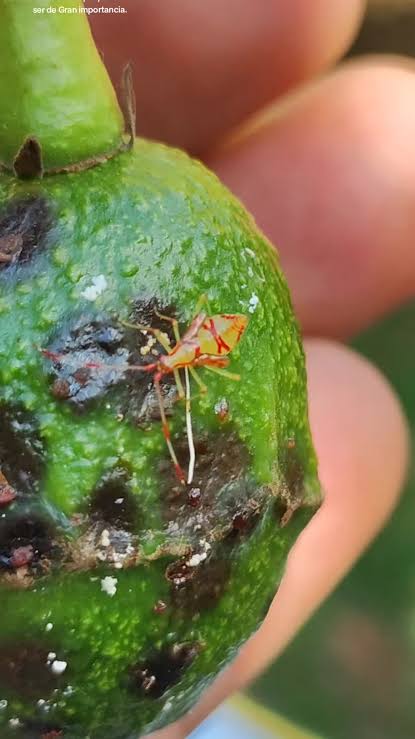
True bugs are insects belonging primarily to the order Hemiptera and comprise numerous species that can damage various types of crops. Among the species that affect fruit are phytophagous bugs from different families, such as Pentatomidae, Coreidae, and Miridae. Adults have piercing-sucking mouthparts, adapted to penetrate plant tissues and extract sap. Females typically lay their eggs on leaves, shoots, stems, or, in certain species, directly on structures near the fruit. Nymphs hatch from the eggs and go through several stages before reaching adulthood. Nymphs usually look different from adults, initially lacking fully developed wings, but they can already feed actively and cause damage. As the nymphal stages progress, they increase in size and gradually develop the characteristics of adults. Depending on the species and environmental conditions, several generations can occur during a single season, especially in areas with high temperatures and a continuous food supply. Adults can move between different plants and plots, while some species may also take refuge in spontaneous vegetation, plant debris, or sheltered locations during unfavorable periods. Dispersal by flight is one of the main causes of new infestations. Populations can increase rapidly when temperatures are favorable, vegetation is abundant, and susceptible fruit is continuously present. Both nymphs and adults can feed on fruit, although the severity of the damage and preferences for certain developmental stages depend on the species. Feeding by piercing causes small lesions, and in addition to direct damage, some species can inject salivary substances that alter plant tissues and cause deformities or necrosis around the feeding site.
.png)
SYMPTOMS
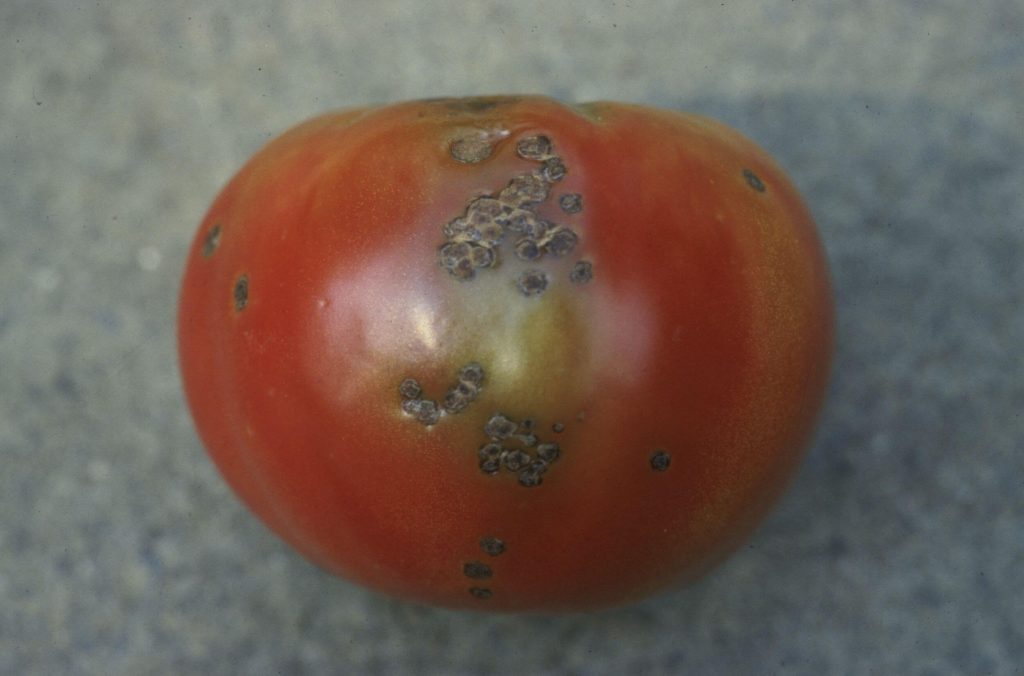
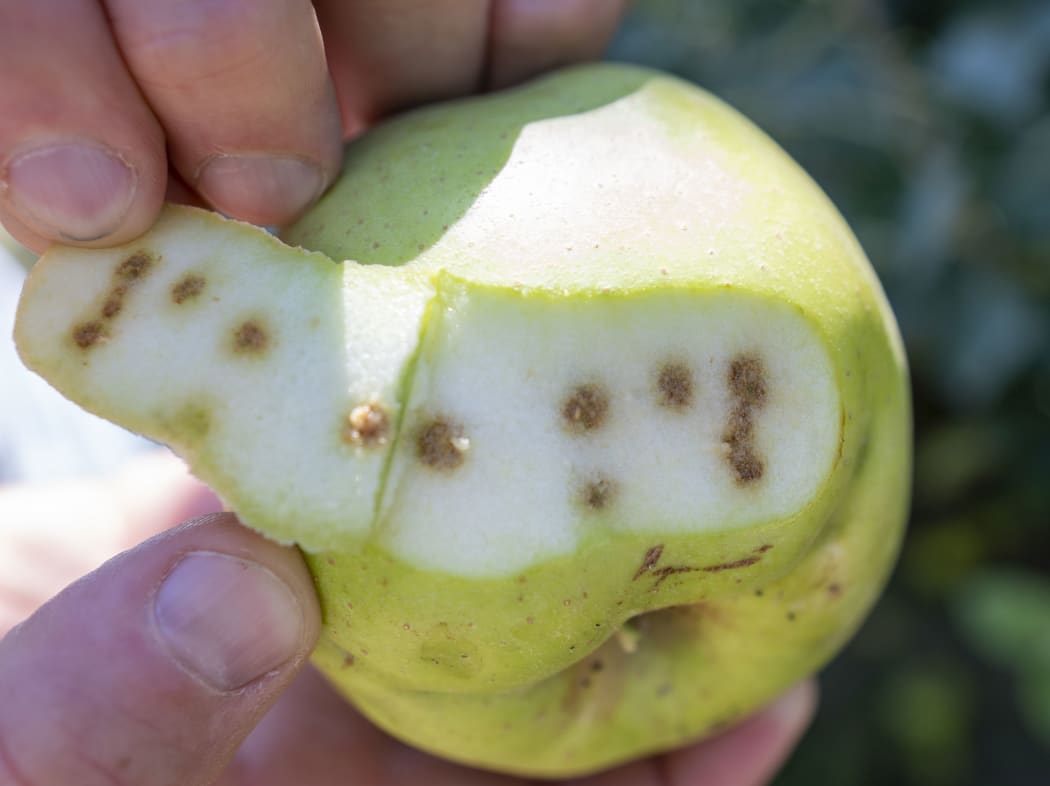
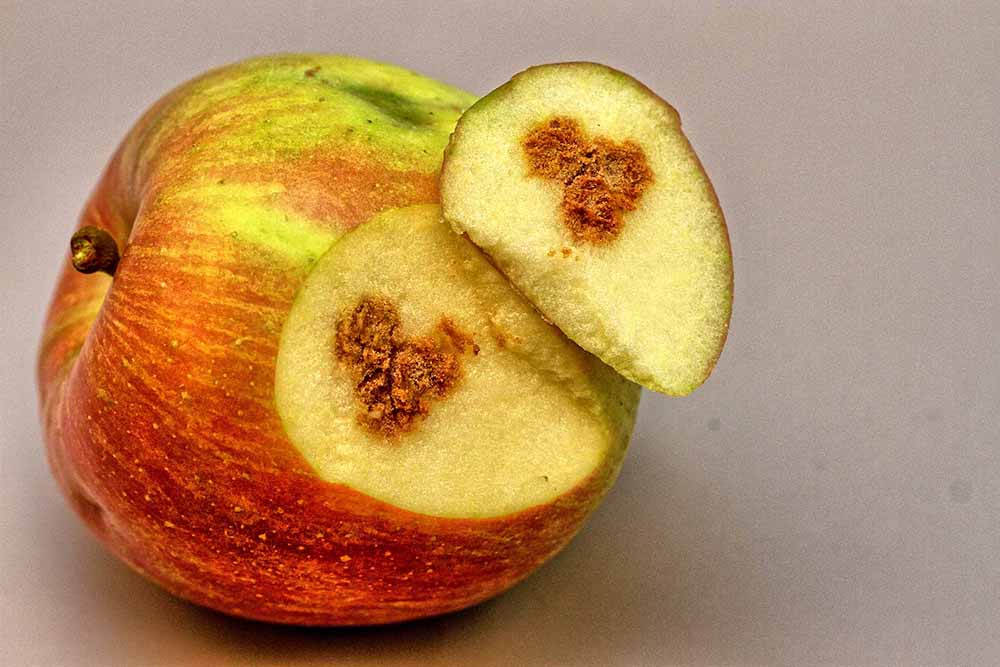
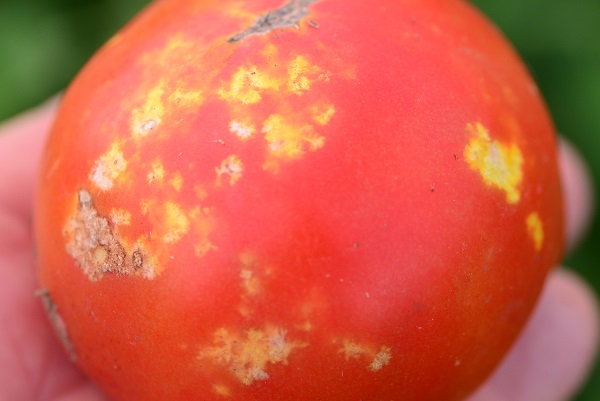
Stink bugs can cause significant damage to fruit by inserting their mouthparts into the tissues to feed. Feeding typically occurs during different stages of development and can be especially damaging when the fruit is young, as feeding can interfere with normal growth. The lesion may remain visible during ripening and affect both the external appearance and internal quality. Depending on the stink bug species and the crop affected, sunken areas, discolored spots, necrosis, deformations, or pulp alterations may appear around the feeding sites. In some fruits, feeding can lead to uneven ripening or the formation of hardened and discolored tissue. Significant commercial losses can also occur even if the affected area is relatively small, especially in fruit intended for fresh consumption. Lesions caused during the early stages of development can leave permanent scars as the fruit increases in size.
• Appearance of small feeding punctures on the surface of the fruit.
• Formation of yellowish, brownish, reddish, or necrotic spots around feeding sites.
• Presence of small depressions or sunken areas in the epidermis.
• Fruit deformation when feeding occurs during the early stages of development.
• Appearance of scars or permanent alterations on the surface during ripening.
• Hardening or alteration of the tissues located beneath the feeding sites.
• Discoloration of the pulp around the affected areas.
• Uneven ripening of the damaged tissues.
• Appearance of deformed fruit or fruit with reduced commercial quality.
• Localized necrosis in the tissues when the damage is severe.
• Presence of several feeding sites irregularly distributed across the fruit.
• Premature fruit drop in cases of severe infestation.
• Reduction in the commercial value of the fruit due to external damage.
• Entry of secondary microorganisms through wounds caused by punctures.


TEMPERATURE AND HUMIDITY
20-30 °C
60-90 %

TRANSMISSION PATHS
Adult flight, Movement between plants, Spontaneous vegetation, Infested plant material, Plant debris, Accidental transport of insects
Do you want to remove this disease? Choose how you want to treat it.

TREATMENTS
Chemical treatment
• ORANGE OIL 60g/L [ME] P/S
• ACETAMIPRID 20% [SP] P/P
• AZADIRACTIN 1% (AS AZADIRACTIN A) [EC] P/V
• CYPERMETHRIN 50% [EC] P/V
• DELTAMETHRIN 1.5% [EW] P/V
• DELTAMETHRIN 1.57% [SC] P/V
• DELTAMETHRIN 10% [EC] P/V
• DELTAMETHRIN 2.5% [EC] P/V
• DELTAMETHRIN 2.5% [EW] P/V
• ESFENVALERATE 2.5% [EC] P/V
• LAMBDA CYHALOTHRIN 0.0015% [ME] P/V
• LAMBDA CYHALOTHRIN 1.5% [CS] P/V
• LAMBDA CYHALOTHRIN 10% [CS] P/V
• LAMBDA CYHALOTHRIN 5% [EG] P/P
• POTASSIUM SALTS OF VEGETABLE FATTY ACIDS 13.04% [SL] P/V
• SULFOXAFLOR 12% [SC] P/V
• TAU-FLUVALINATE 24% [EW] P/V
Authorized treatments in organic farming
• ORANGE OIL 60g/L [ME] P/S
• AZADIRACTIN 1% (AS AZADIRACTIN A) [EC] P/V
• LAMBDA CYHALOTHRIN 0.0015% [ME] P/V
• LAMBDA CYHALOTHRIN 1.5% [CS] P/V
• LAMBDA CYHALOTHRIN 10% [CS] P/V
• LAMBDA CYHALOTHRIN 5% [EG] P/P
• POTASSIUM SALTS OF VEGETABLE FATTY ACIDS 13.04% [SL] P/V
Biological control
-
Recommendations
• Conduct regular crop inspections, especially during fruit formation and ripening stages.
• Monitor for the presence of adults and nymphs on leaves, shoots, and fruit.
• Pay particular attention to field edges, as adults can move from nearby vegetation into the crop.
• Remove or control spontaneous vegetation that may serve as shelter or a food source for stink bugs, provided it is suitable for the crop and the environment.
• Keep the field free of plant debris that could provide shelter for certain species during unfavorable periods.
• Avoid excessive vegetation and maintain a crop structure that facilitates the detection of populations.
• Use appropriate traps or monitoring systems to detect the presence and evolution of populations.
• Install capture traps or physical barriers when compatible with the crop and capable of reducing the entry of adults.
• Pay special attention to periods of high temperatures, when the activity and reproduction of many species may increase.
• Regularly check the fruit for the first signs of infestation before the damage reaches significant levels.
• Implement control measures when the established intervention thresholds for the species and crop are reached, when these are available.
• Encourage the presence of natural enemies of stink bugs through integrated pest management and by avoiding unnecessary treatments that may affect beneficial insects.
• Maintain areas of beneficial vegetation when compatible with the crop and when they allow for the maintenance of beneficial organism populations.
• Use physical or mechanical trapping methods when they are effective and feasible depending on the size of the crop.
• Apply phytosanitary treatments only with products authorized for the crop and the corresponding pest.
• Apply treatments when the pest is most susceptible to improve their effectiveness.
• Direct the application appropriately to achieve sufficient coverage of the areas where nymphs and adults are concentrated.
• Strictly adhere to the dosages, maximum number of applications, intervals, and other conditions established on the product label.
• Alternate active ingredients with different modes of action when several applications are necessary during the same season.
• Avoid repeated and unnecessary applications that may favor the emergence of populations less susceptible to certain insecticides.
• Combine phytosanitary applications with cultural, physical, and biological control measures to reduce dependence on insecticides.
• Remove severely affected fruit when feasible, as they may constitute a source of deterioration or attract new populations.
• Monitor neighboring crops and nearby areas to detect adult movements toward the plot.
• Monitor the population after treatment to verify its effectiveness and detect possible re-infestations.
• Avoid indiscriminate treatments during flowering to reduce the impact on pollinators and other beneficial organisms.

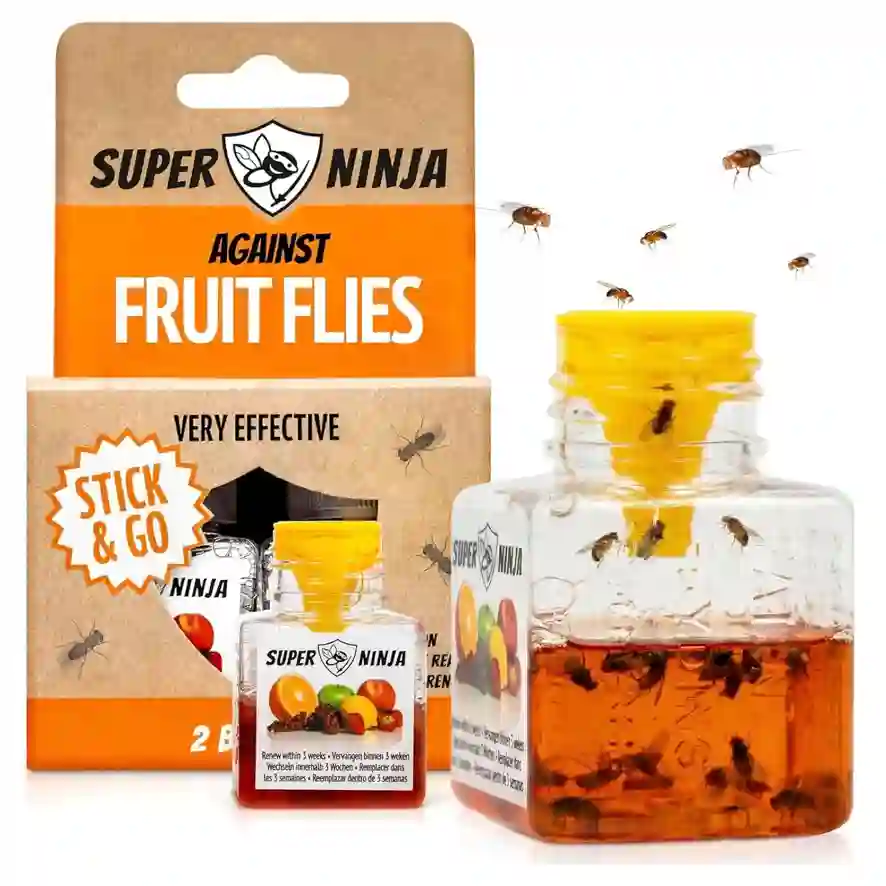
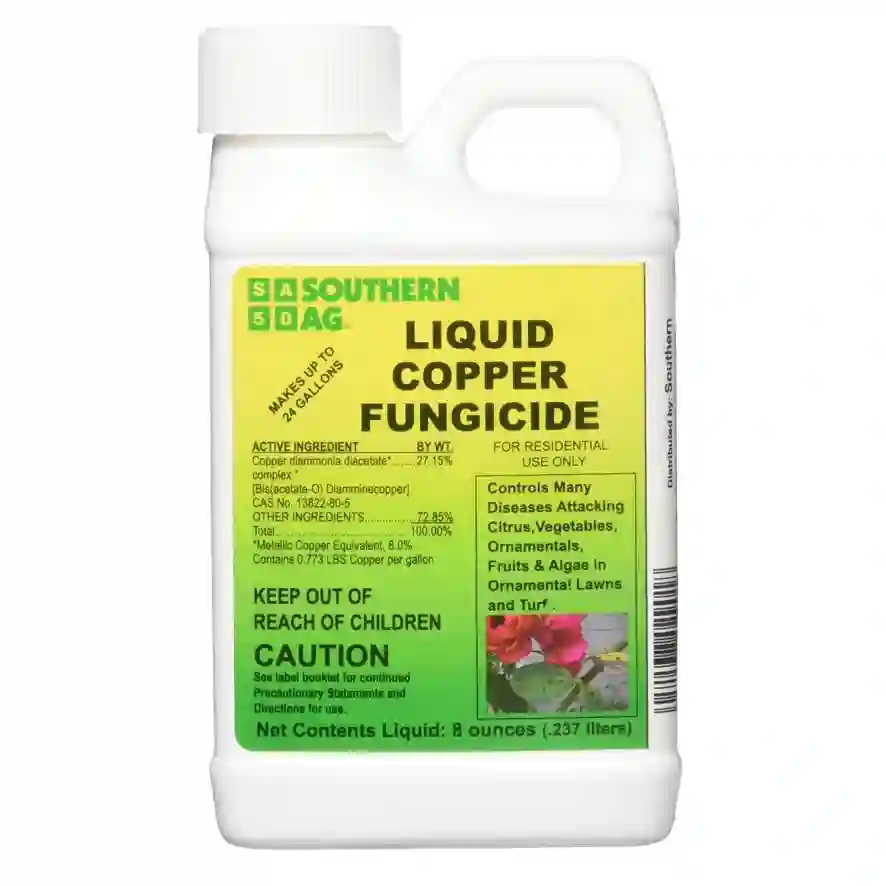


*The recommended treatments are still recommendations according to the databases of the authorities and at no time do they replace the guidelines established according to the legislation of each country
*The products shown are recommendations and are not our own products. As Amazon Associates, we earn revenue from purchases of recommended products.

TREATMENTS
Homemade treatments
There are no home treatments
Natural allies
Chemical treatments
There are no treatments for this disease. Treatments are directed at the insect vectors that transmit it. See insect treatments.

RECOMMENDATIONS

REPELLENT PLANTS
RECOMMENDED PRODUCTS TO ELIMINATE THIS PEST
*The recommended treatments are still recommendations according to the databases of the authorities and at no time do they replace the guidelines established according to the legislation of each country
*The products shown are recommendations and are not our own products. As Amazon Associates, we earn revenue from purchases of recommended products.



Explore more tools
Services
Contact
Legal
©2023 by ZeriMar Laboratoire. All rights reserved.