


Snails and slugs in fruit: symptoms, prevention and treatment
Snails and/or slugs
Different species
Pathogen:
Type:
Snails and slugs
Risk:
INTERMEDIATE
Frutos
Caracoles y/o babosas

WHO CAUSES IT?
Snails and slugs are terrestrial mollusks that can cause significant damage to many crops, especially in humid conditions. Numerous species are capable of feeding on plant tissue, and although they differ from one another, they share characteristics that favor their presence in damp environments with abundant vegetation. Adults and juveniles feed primarily at night, at dawn, or during cloudy and humid periods, while during the warmer, drier hours they tend to remain hidden under stones, plant debris, mulch, soil, flowerpots, or other sheltered places. Reproduction occurs through egg-laying in damp areas protected from the soil or vegetation. After hatching, the young begin to feed and gradually increase in size until they reach maturity. Depending on the species and environmental conditions, they can produce several clutches throughout the year, especially when there is sufficient humidity and moderate temperatures. The eggs may remain protected in the soil or among plant debris until conditions are suitable for their development. Activity increases especially after rain, heavy watering, or during periods of high humidity. They move primarily by contact with damp surfaces, leaving behind a characteristic mucous secretion that facilitates their movement. Snails can also protect themselves with their shells, while slugs lack shells and seek out particularly damp shelters to avoid drying out. The presence of shelters, organic matter, and dense vegetation favors the maintenance of their populations and makes them difficult to detect during the day.
.png)
SYMPTOMS
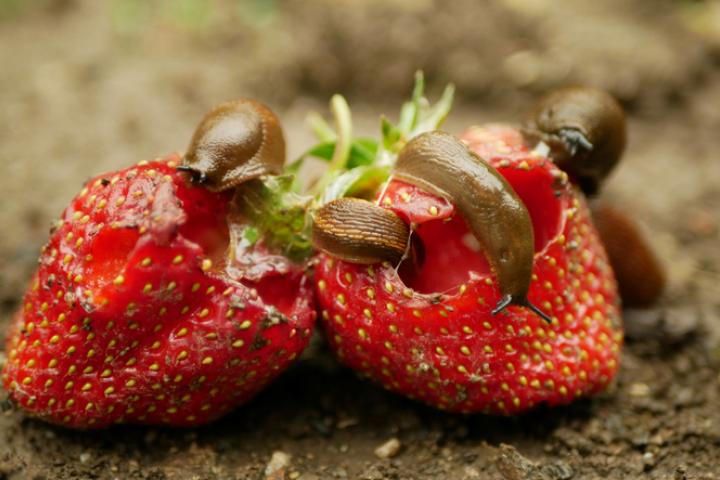
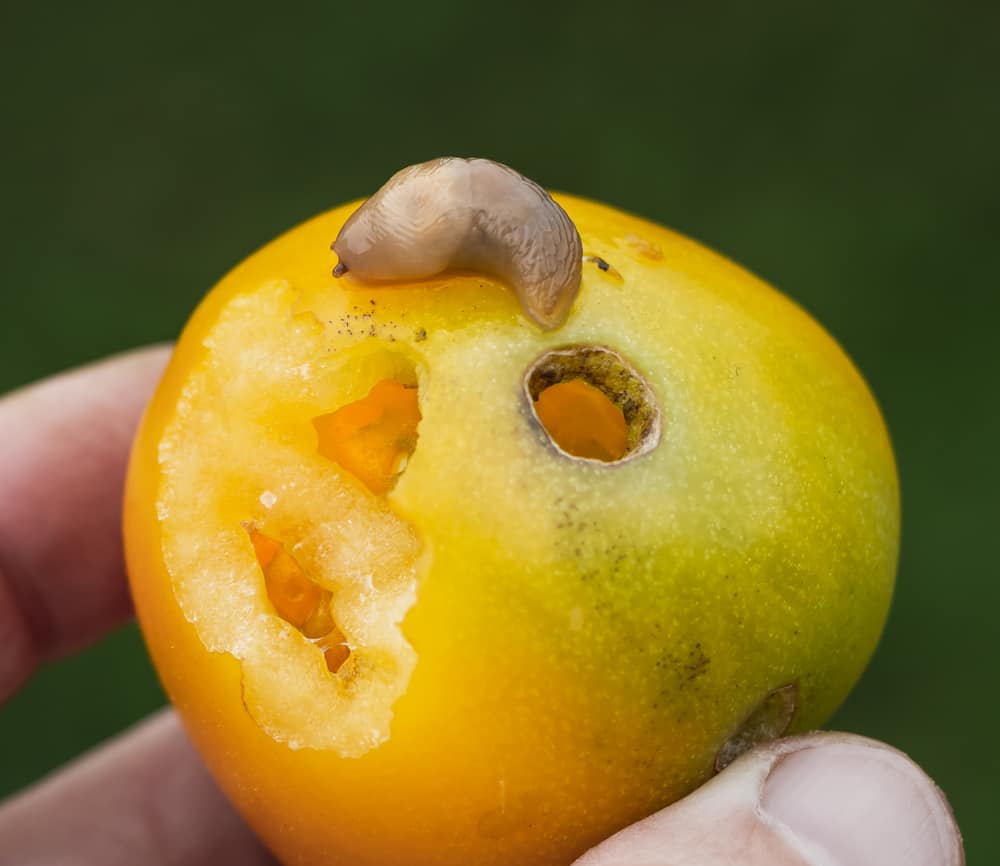
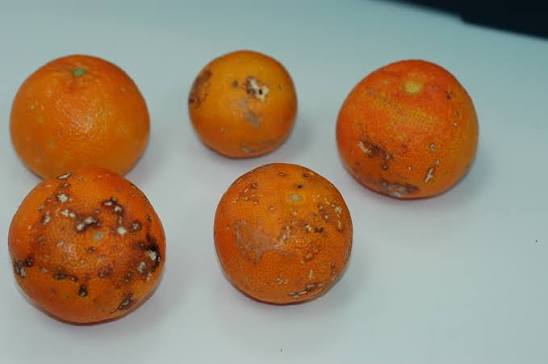
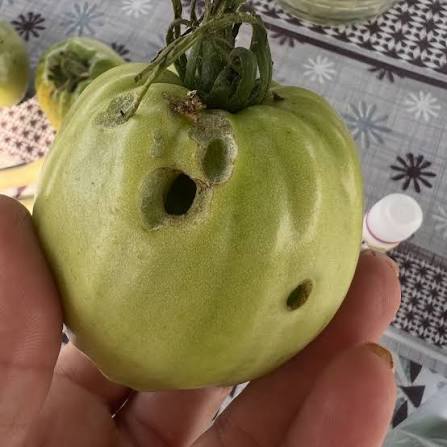
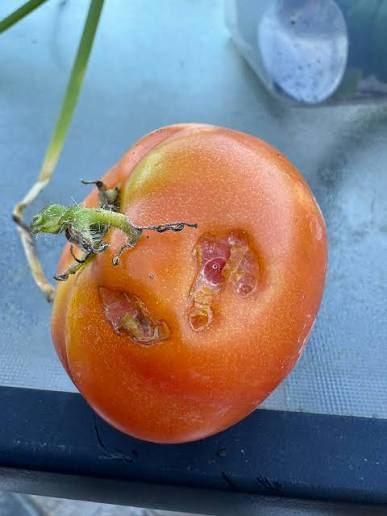
Snails and slugs primarily damage fruit by feeding directly on it, causing scrapes, bites, and perforations on its surface. Damage is especially common in fruit located near the ground or in contact with vegetation, mulch, or damp surfaces. Affected areas may be partially consumed and appear irregular, damp, or deteriorated. In addition to directly reducing the quantity and quality of the fruit, the wounds caused can facilitate the entry of fungi and bacteria that subsequently lead to rot. The presence of mucus and feeding debris on the fruit can also significantly reduce its commercial quality and hinder its use. Infestations can be particularly intense during rainy periods or when there is excessive humidity in the crop's environment. The most common damage includes:
• Irregular bites and scrapes on the fruit surface.
• Large areas of consumed tissue in fruit near the ground.
• Perforations and holes of varying sizes.
• Irregular edges around the damaged areas. • Presence of mucus or shiny residue on and around the fruit.
• Appearance of secondary rot in areas where wounds have occurred.
• Deterioration and loss of commercial quality of the affected fruit.
• Damage that is particularly severe after rain or during prolonged periods of humidity.
• Fruit drop or loss when damage is severe or occurs during the early stages of development.


TEMPERATURE AND HUMIDITY
15-25 °C
80-100 %

TRANSMISSION PATHS
Movement of individuals, Eggs, Contaminated soil, Plant remains, Plant material, Tools and equipment, Transport of soil, Transport of plants
Do you want to remove this disease? Choose how you want to treat it.

TREATMENTS
Chemical treatment
• FERRIC PHOSPHATE (anhydrous) 0.81% [RB] P/P
• FERRIC PHOSPHATE 1% [RB] P/P
• FERRIC PHOSPHATE 2.5% [GB] P/P
• METALDEHYDE 1.5% [GB] P/P
• METALDEHYDE 1% + FERRIC PHOSPHATE (anhydrous) 1.62% [RB] P/P
• METALDEHYDE 2.5% [GB] P/P
• METALDEHYDE 3% (ADDITION OF COLOR) [RB] P/P
• METALDEHYDE 3% [GB] P/P
• METALDEHYDE 4% [GB] P/P
• METALDEHYDE 5% (DYE ADDITION) [GB] P/P
• METALDEHYDE 5% [GB] P/P
Authorized treatments in organic farming
-
Biological control
-
Recommendations
• Regularly remove visible snails, slugs, and eggs from around plants, especially after wet periods.
• Remove fallen leaves, plant debris, stones, boards, and other shelters near the fruit where they can hide during the day.
• Avoid excessive moisture and, when possible, water in the morning so the soil surface remains dry overnight.
• Keep weeds around plants under control to reduce available hiding places.
• Prevent fruit from being in direct contact with the soil.
• Use physical barriers or protective methods around plants when appropriate for the crop.
• In case of significant infestations, use authorized snail and slug control products, strictly following the label instructions.
• Apply treatments locally to areas of greatest activity and avoid unnecessary applications.
• Regularly inspect the crop for new individuals and take action before the population increases considerably.

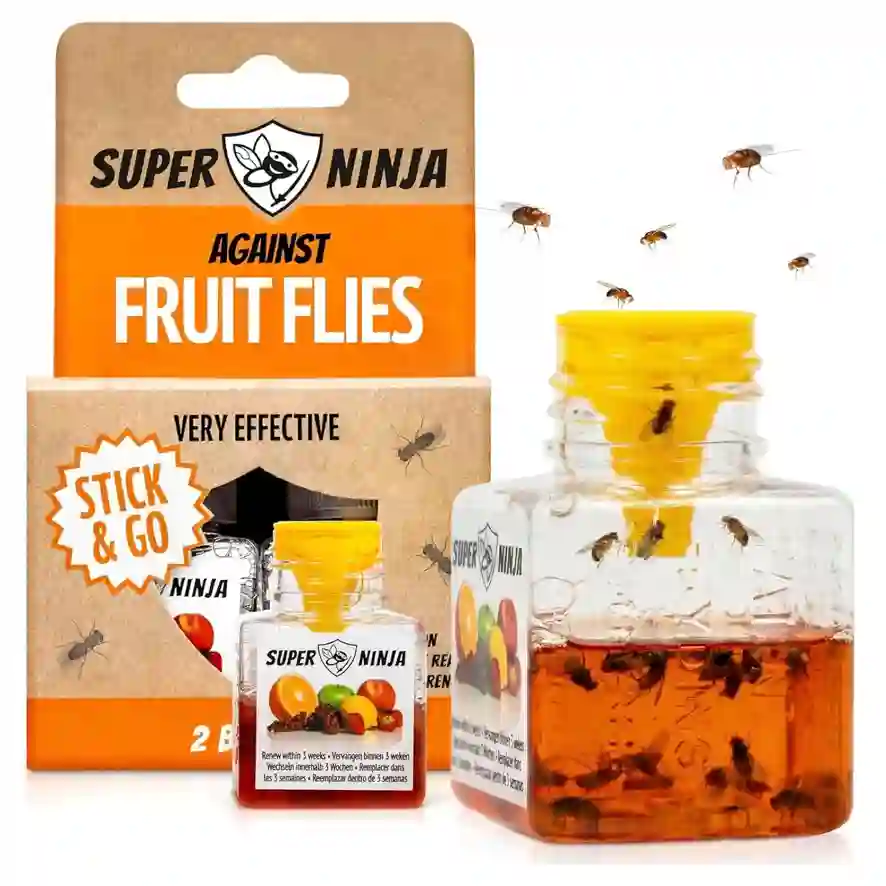
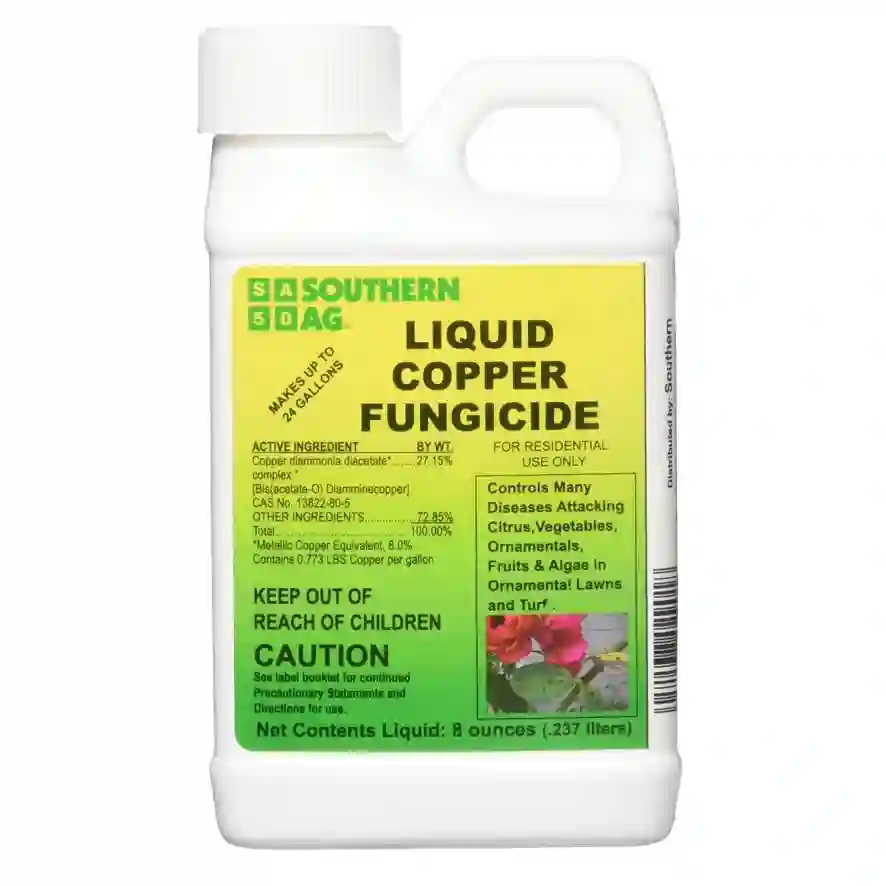


*The recommended treatments are still recommendations according to the databases of the authorities and at no time do they replace the guidelines established according to the legislation of each country
*The products shown are recommendations and are not our own products. As Amazon Associates, we earn revenue from purchases of recommended products.

TREATMENTS
Homemade treatments
There are no home treatments
Natural allies
Chemical treatments
There are no treatments for this disease. Treatments are directed at the insect vectors that transmit it. See insect treatments.

RECOMMENDATIONS

REPELLENT PLANTS
RECOMMENDED PRODUCTS TO ELIMINATE THIS PEST
*The recommended treatments are still recommendations according to the databases of the authorities and at no time do they replace the guidelines established according to the legislation of each country
*The products shown are recommendations and are not our own products. As Amazon Associates, we earn revenue from purchases of recommended products.



Explore more tools
Services
Contact
Legal
©2023 by ZeriMar Laboratoire. All rights reserved.