


Symptoms, treatments and recommendations for treating alternariosis
Alternariosis
Alternaria Alternata
Pathogen:
Type:
Fungus
Risk:
INTERMEDIATE
Geranio
Alternariosis

WHO CAUSES IT?
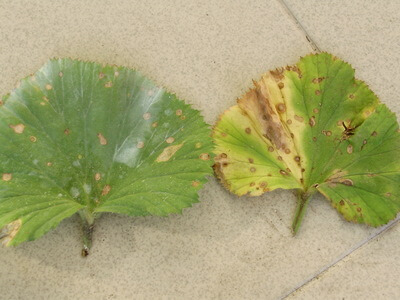
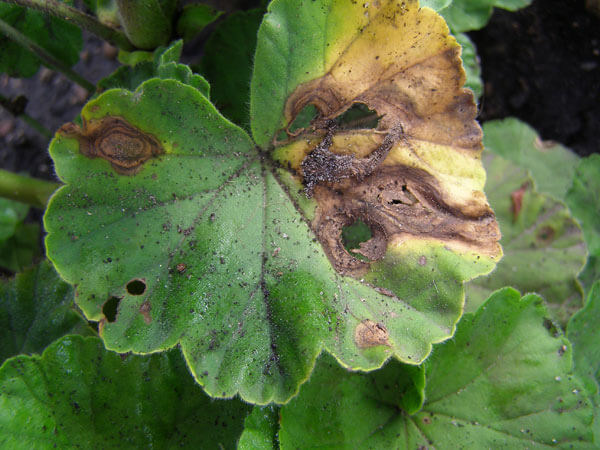
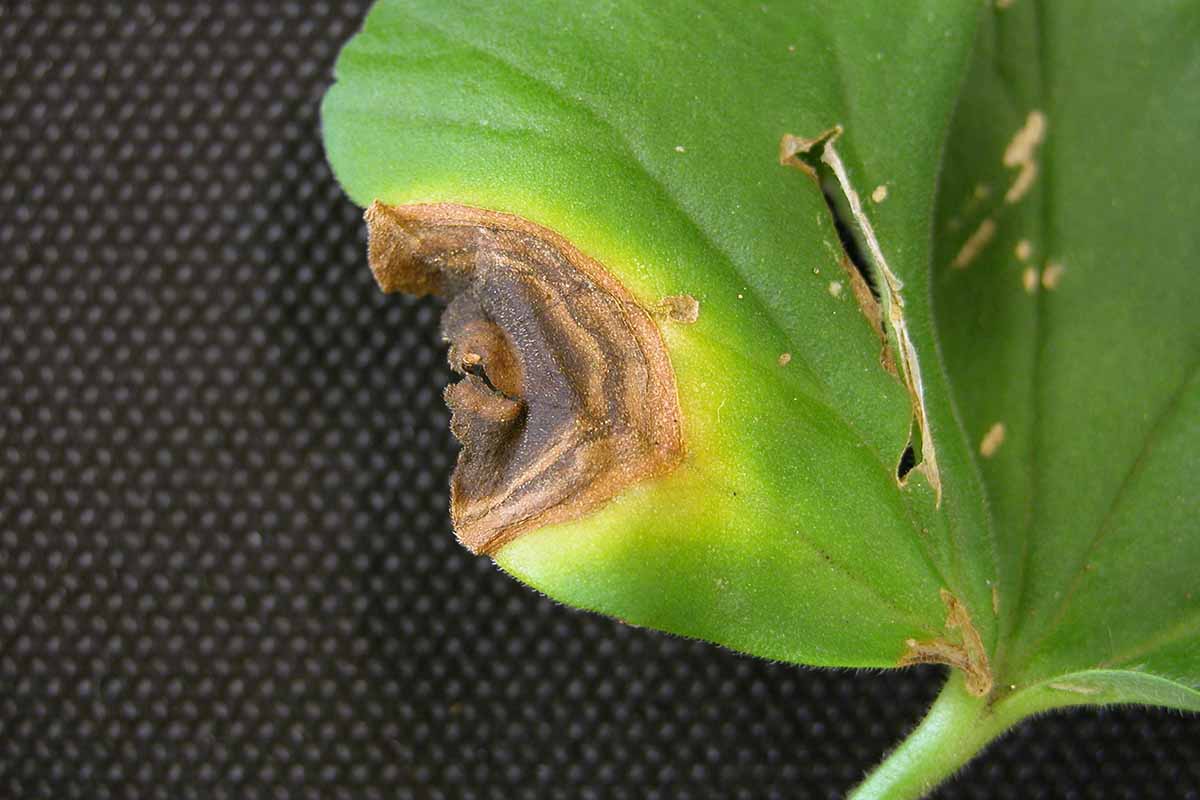
Alternariosis, caused by the fungus Alternaria alternata, is a common disease that affects a variety of plants, including geraniums. This pathogen develops mainly in conditions of high humidity and warm temperatures. It manifests itself in the form of necrotic Taches on the leaves, stems and flowers of the plant. These Taches are usually dark brown to black in color and can expand rapidly if conditions are favorable, severely affecting the health of the plant.

SYMPTOMS
Geranium is particularly vulnerable to alternariosis. Symptoms include the appearance of necrotic Taches on the leaves and stems, which can grow and fuse, weakening the plant's structure. In addition, lesions can be observed on the flowers, which can affect their development and aesthetic quality.


TEMPERATURE AND HUMIDITY
20°C - 30°C
70% - 90%

TRANSMISSION PATHS
Direct contact, transport by wind, transport by irrigation water.
Do you want to remove this disease? Choose how you want to treat it.

TREATMENTS
Chemical treatment
• AZOXISTROBIN 25% [SC] P/V
• CIPRODINIL 37.5% + FLUDIOXONIL 25% [WG] P/P
• DIFENOCONAZOLE 1.67% [EC] P/V
• FOLPET 50% [SC] P/V
• FOLPET 80% [WG] P/P
• METIRAM 70% [WG] P/P
• PIRACLOSTROBIN 6.7% + BOSCALIDE 26.7% ( ) [WG] P/P
Authorized treatments in organic farming
• BACILLUS SUBTILIS (STRAIN QST 713) 1.34% [SC] P/V
• CUPRIC HYDROXIDE 50% (EXPR. IN CU) [WP] P/P
• COPPER OXYCHLORIDE 30% (EXPR. IN CU) [WP] P/P
• COPPER OXYCHLORIDE 38% (EXPR. IN CU) [SC] P/V
• COPPER OXYCHLORIDE 50% (EXPR. IN CU) [WP] P/P
• COPPER OXYCHLORIDE 52% (EXPR. IN CU) [SC] P/V
• CUPROCALCIC SULFATE 20% (EXPR. IN CU) [WG] P/P
• TRIBASIC COPPER SULFATE 19% (EXPR. IN CU) [SC] P/V
Biological control
Recommendations
To prevent alternariosis in geranium, it is essential to maintain good soil drainage and avoid excess moisture in the plant. Crop rotation and the elimination of infected plant remains are also recommended to reduce the spread of the fungus. Controlling weeds around plants can help improve air circulation and reduce ambient humidity, thus decreasing conditions conducive to disease. Regarding control, specific fungicides can be applied to combat the infection and reduce its spread.





*The recommended treatments are still recommendations according to the databases of the authorities and at no time do they replace the guidelines established according to the legislation of each country
*The products shown are recommendations and are not our own products. As Amazon Associates, we earn revenue from purchases of recommended products.

TREATMENTS
Homemade treatments
There are no home treatments
Natural allies
Chemical treatments
There are no treatments for this disease. Treatments are directed at the insect vectors that transmit it. See insect treatments.

RECOMMENDATIONS

REPELLENT PLANTS
RECOMMENDED PRODUCTS TO ELIMINATE THIS PEST
*The recommended treatments are still recommendations according to the databases of the authorities and at no time do they replace the guidelines established according to the legislation of each country
*The products shown are recommendations and are not our own products. As Amazon Associates, we earn revenue from purchases of recommended products.



Explore more tools
Services
Contact
Legal
©2023 by ZeriMar Laboratoire. All rights reserved.