


Symptoms, treatments, and recommendations for treating anthracnose
Anthracnose
Colletotrichum Truncatum
Pathogen:
Type:
Fungus
Risk:
HIGH
Soja
Antracnosis

WHO CAUSES IT?
The pathogen Colletotrichum truncatum is a fungus that belongs to the group of ascomycete fungi. It is characterized by causing the disease known as anthracnose in various plants, including soybeans. This species of fungus is capable of causing necrotic lesions in plant tissues, which can result in significant loss of yield in affected crops.

SYMPTOMS
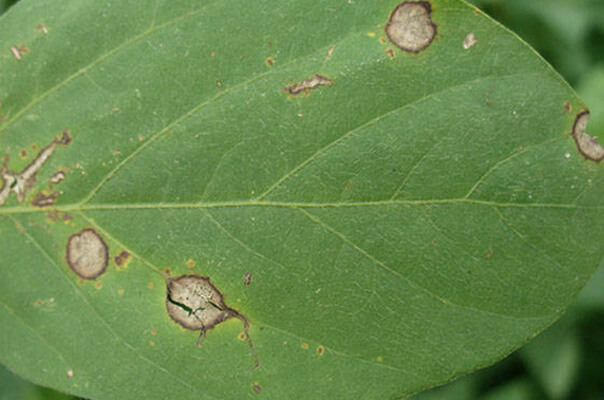
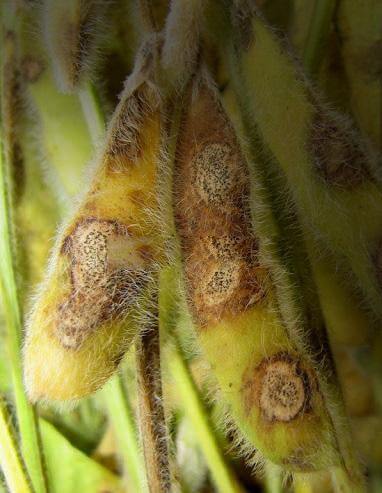
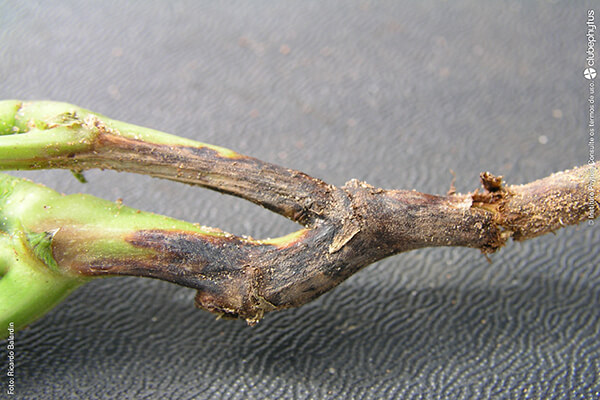
In soybeans, the disease caused by Colletotrichum truncatum manifests itself mainly through the presence of dark brown leaf Taches. These Taches usually appear on the leaves, stems and pods of the plant, which can affect its ability to carry out photosynthesis and its general development. In addition, infection by this fungus can predispose the plant to other opportunistic diseases.


TEMPERATURE AND HUMIDITY
20°C - 30°C
80% - 90%

TRANSMISSION PATHS
Infected seeds, plant residues, agricultural tools, irrigation water, wind, insects.
Do you want to remove this disease? Choose how you want to treat it.

TREATMENTS
Chemical treatment
• ORANGE OIL 60g/L [ME] P/S
• AZOXISTROBIN 25% [SC] P/V
• COPPER OXYCHLORIDE 35% (exp. in Cu) [WG] P/P
Authorized treatments in organic farming
• ORANGE OIL 60g/L [ME] P/S
• COPPER OXYCHLORIDE 35% (exp. in Cu) [WG] P/P
Biological control
-
Recommendations
To prevent and control the spread of anthracnose in soybean crops, it is essential to implement integrated pest management practices. This includes crop rotation, the use of resistant varieties, weed control and the application of specific fungicides at critical times in the crop cycle.





*The recommended treatments are still recommendations according to the databases of the authorities and at no time do they replace the guidelines established according to the legislation of each country
*The products shown are recommendations and are not our own products. As Amazon Associates, we earn revenue from purchases of recommended products.

TREATMENTS
Homemade treatments
There are no home treatments
Natural allies
Chemical treatments
There are no treatments for this disease. Treatments are directed at the insect vectors that transmit it. See insect treatments.

RECOMMENDATIONS

REPELLENT PLANTS
RECOMMENDED PRODUCTS TO ELIMINATE THIS PEST
*The recommended treatments are still recommendations according to the databases of the authorities and at no time do they replace the guidelines established according to the legislation of each country
*The products shown are recommendations and are not our own products. As Amazon Associates, we earn revenue from purchases of recommended products.



Explore more tools
Services
Contact
Legal
©2023 by ZeriMar Laboratoire. All rights reserved.