


Symptoms, treatments and recommendations for treating whiteflies
White Fly
Bemisia Tabaci
Pathogen:
Type:
Insect
Risk:
HIGH
Lechuga y similares
Mosca blanca

WHO CAUSES IT?
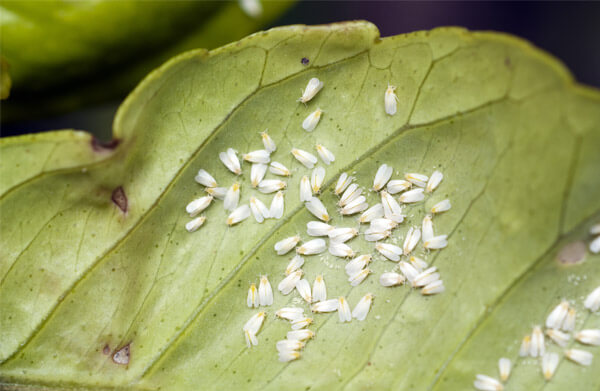
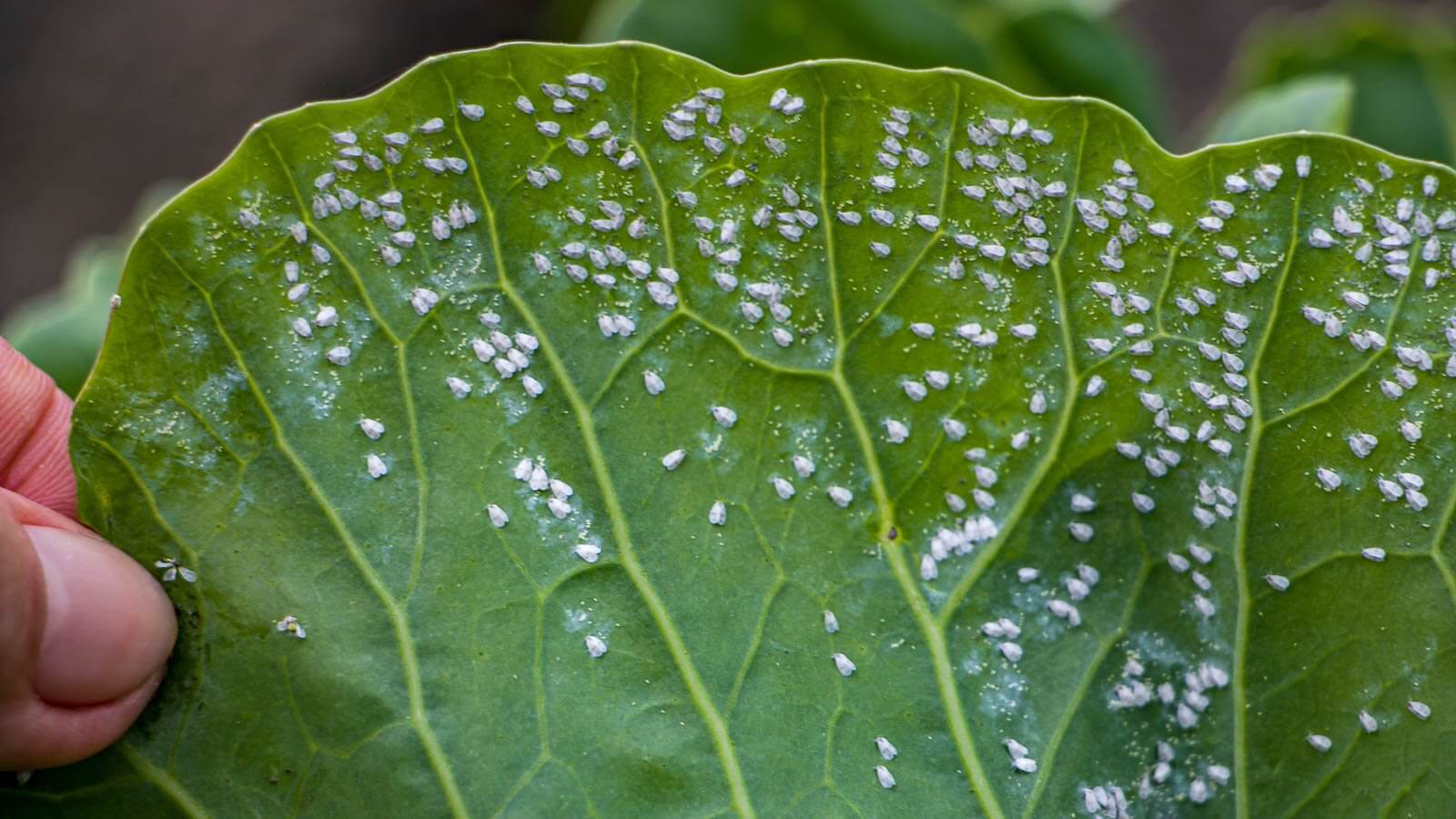
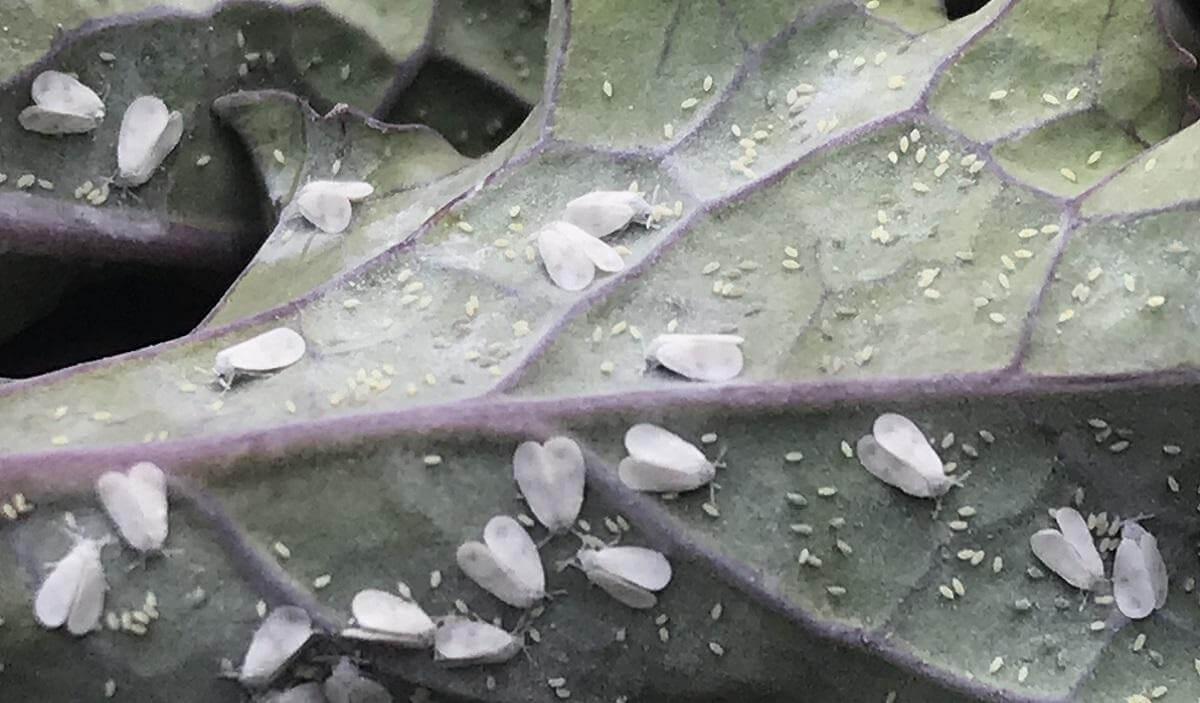
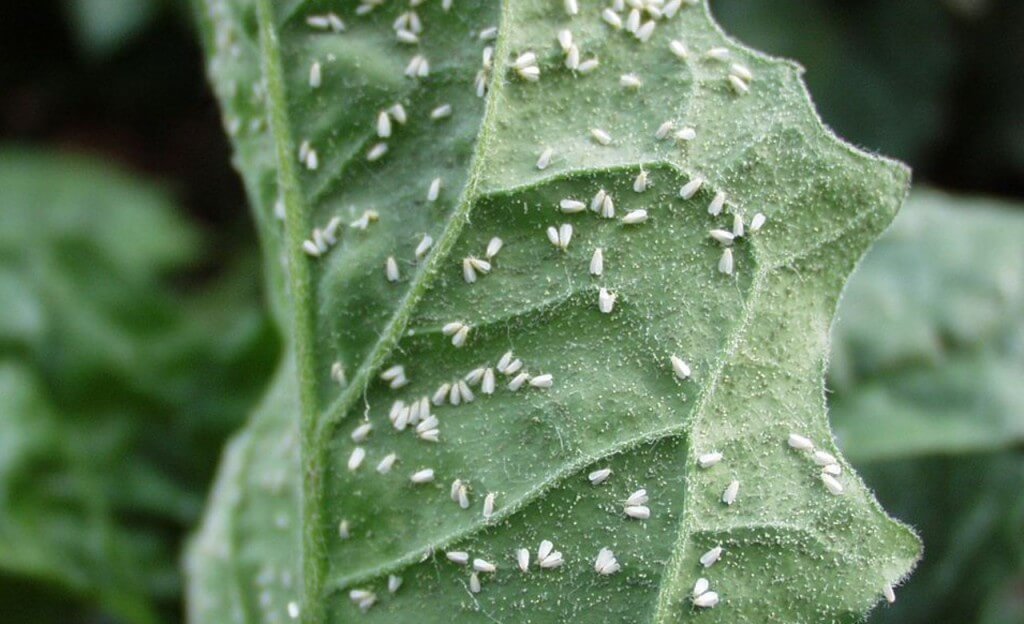
Bemisia tabaci, commonly known as whitefly, is a small insect that belongs to the Aleyrodidae family. Its cycle begins when adult females deposit eggs on the underside of plant leaves. After a few days, the eggs hatch and release the first instar nymphs, which are mobile and look for a suitable place to feed. These nymphs, once settled, become immobile and go through several larval stages until they reach the pupal stage. During this phase, they remain attached to the leaves, feeding on plant sap using a stinging-sucking mouthpart. Finally, they emerge as adults, continuing to reproduce. The life of an adult can extend from 2 to 4 weeks, and females can lay between 150 and 300 eggs throughout their life, depending on weather conditions. The ability of *Bemisia tabaci* to reproduce quickly and its resistance to different environmental conditions give it a high infestation capacity.

SYMPTOMS
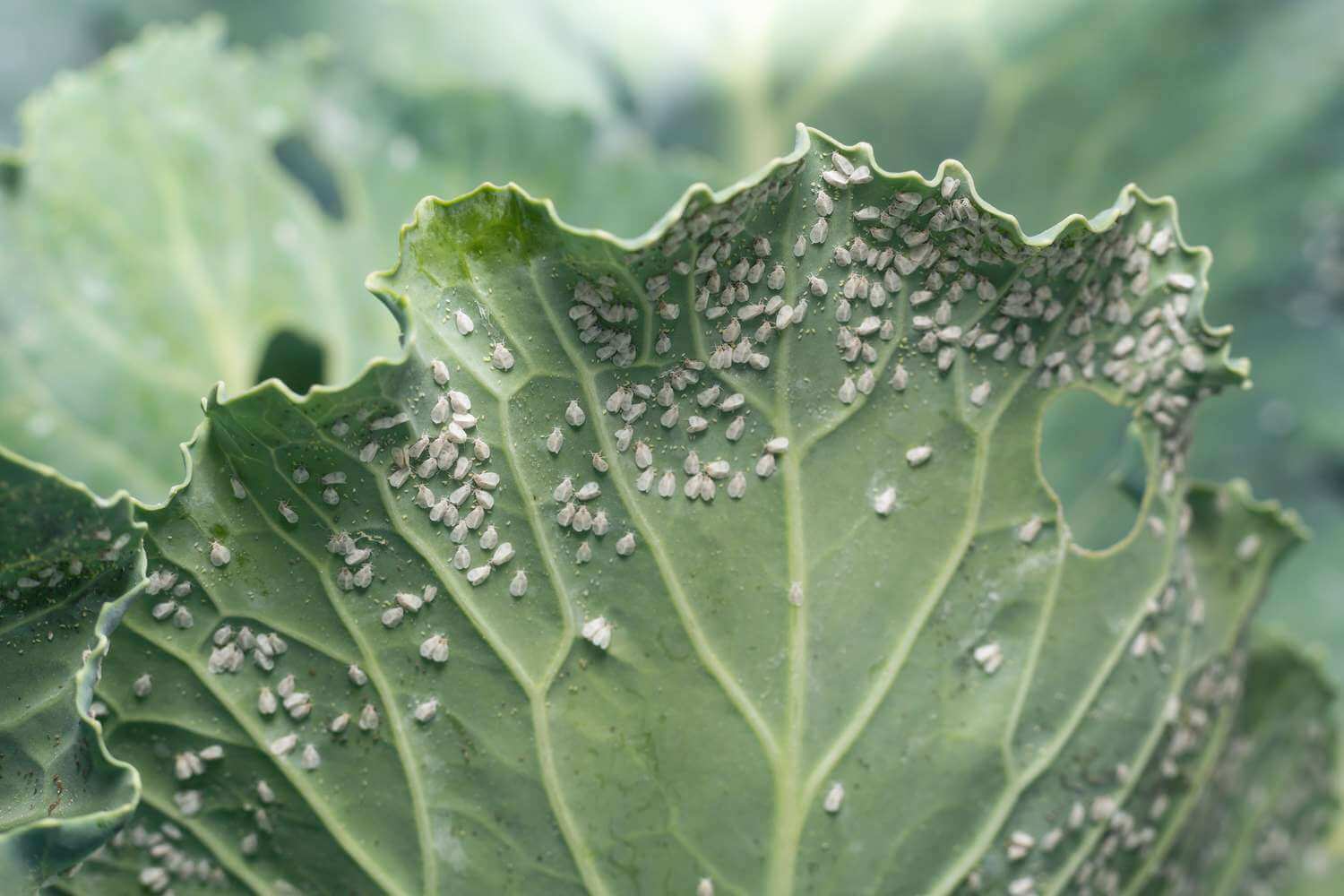
The whitefly causes considerable damage to lettuce and similar crops by feeding on plant sap, which can reduce their vigor and photosynthetic capacity. In addition, this insect secretes a sticky substance called honeydew, which promotes the appearance of sooty mold, a black fungus that covers the leaves, further reducing photosynthesis and depreciating the commercial value of crops.
- General weakening of the plant due to loss of sap.
- Appearance of yellow Taches on the leaves due to feeding by the nymphs.
- Development of sooty mold on the molasses excreted by insects.
- Delay in plant growth.
- Deformation or premature fall of the affected leaves.
- Transmission of plant viruses, such as the mosaic virus.


TEMPERATURE AND HUMIDITY
20-30°C
50-70%

TRANSMISSION PATHS
Wind, infested plants, contaminated tools, infected transplants, flight of adults, spread by workers' clothing and shoes
Do you want to remove this disease? Choose how you want to treat it.

TREATMENTS
Chemical treatment
• ABAMECTIN 0.0015% + PYRETHRINS 0.02% [AL] P/V
• RAPE OIL 1.53% [AL] P/V
• RAPE OIL 848.24 g/l [EC] P/V
• ORANGE OIL 6% [SL] P/V
• ORANGE OIL 60g/L [ME] P/S
• ACETAMIPRID 0.5% [SL] P/V
• ACETAMIPRID 20% [SG] P/P
• ACETAMIPRID 20% [SL] P/V
• ACETAMIPRID 20% [SP] P/P
• AZADIRACTIN 1% (AS AZADIRACTIN A) [EC] P/V
• Azadirachtin 2.6% (AS AZADIRACTIN A) [EC] P/V
• CYANTRANILIPROL 10% + ACIBENZOLAR-S-METHYL 1.25% [SC] P/V
• DELTAMETHRIN 1.5% [EW] P/V
• DELTAMETHRIN 1.57% [SC] P/V
• DELTAMETHRIN 10% [EC] P/V
• DELTAMETHRIN 2.5% [EC] P/V
• DELTAMETHRIN 2.5% [EW] P/V
• FLUPIRADIFURONE 0.008% [AL] P/V
• FLUPYRADIFURONE 20% [SL] P/V
• LAMBDA CYHALOTHRIN 0.0015% [ME] P/V
• LAMBDA CYHALOTHRIN 1.5% [CS] P/V
• LAMBDA CYHALOTHRIN 10% [CS] P/V
• LAMBDA CYHALOTHRIN 2.5% [WG] P/P
• LAMBDA CYHALOTHRIN 5% [EG] P/P
• PYRETHRINS 2% (PYRETHRE EXTR.) [EC] P/V
• PYRETHRINS 2% [EC] P/V
• PYRETHRINS 4% (PYRETHHRINE EXTR.) [EC] P/V
• PYRETHRINS 4% [EC] P/V
• POTASSIUM SALTS OF FATTY ACIDS C14-C20 48% [EW] P/V
• SPIROTETRAMAT 10% [SC] P/V
• SPIROTETRAMAT 15% [OD] P/V
• ADHESIVE TRAPS
• CHROMATIC TRAPS
Authorized treatments in organic farming
• RAPE OIL 1.53% [AL] P/V
• RAPE OIL 848.24 g/l [EC] P/V
• ORANGE OIL 6% [SL] P/V
• ORANGE OIL 60g/L [ME] P/S
• AZADIRACTIN 1% (AS AZADIRACTIN A) [EC] P/V
• Azadirachtin 2.6% (AS AZADIRACTIN A) [EC] P/V
• LAMBDA CYHALOTHRIN 0.0015% [ME] P/V
• LAMBDA CYHALOTHRIN 1.5% [CS] P/V
• LAMBDA CYHALOTHRIN 10% [CS] P/V
• LAMBDA CYHALOTHRIN 2.5% [WG] P/P
• LAMBDA CYHALOTHRIN 5% [EG] P/P
• PYRETHRINS 2% (PYRETHRE EXTR.) [EC] P/V
• PYRETHRINS 2% [EC] P/V
• PYRETHRINS 4% (PYRETHHRINE EXTR.) [EC] P/V
• PYRETHRINS 4% [EC] P/V
• POTASSIUM SALTS OF FATTY ACIDS C14-C20 48% [EW] P/V
• ADHESIVE TRAPS
• CHROMATIC TRAPS
Biological control
• AKANTHOMYCES MUSCARIUS (strain Ve6) 14.8%
• AMBLYDROMALUS LIMONICUS
• AMBLYSEIUS SWIRSKII
• BEAUVERIA BASSIANA (STRAIN ATCC 74040) 2.3% (2.3X10E7 VIABLE SPORES/ML) [OD] P/V
• BEAUVERIA BASSIANA (GHA STRAIN) 10.7% (2.26X10E13 CONIDIAS/L) [OD] P/V
• BEAUVERIA BASSIANA (GHA STRAIN) 22% (4.4 x 10E10 CONIDIAS/G) [WP] P/P
• BEAUVERIA BASSIANA strain PPRI 5339 8% (8 X 10E12 CFU/L) [OD] P/P
• CHRYSOPERLA CARNEA
• CORDYCEPS FUMOSOROSEA (strain FE 9901) 18%
• DELPHASTUS CATALINAE
• ENCARSIA FORMOSA
• ERETMOCERUS EREMICUS
• HETERORHABDITIS BACTERIOPHORA
• Lecanicillium muscarium (Strain Ve6) (1x10E10 spores/g) 14.8% [WG] P/P
• METARHIZIUM BRUNNEUM strain Ma 43 10.5% [OD] P/V
• PAECILOMYCES FUMOSOROSEUS (STRAIN FE 9901) 18% (2 X 10 E9 CFU/G) [WP] P/P
• TRANSEIUS MONTDORIENSIS
Recommendations
- Install yellow chromatic traps in crops to attract and capture *Bemisia tabaci* adults.
- Carry out periodic inspections on the leaves, mainly on the underside, to detect eggs and nymphs in the initial stages of infestation.
- Promote the presence of natural predators such as parasitoid wasps of the genus *Encarsia* and *Eretmocerus*, which biologically control the pest.
- Use anti-insect meshes in greenhouses to prevent the entry of adults.
- Apply potassium soap or insecticidal oils to eliminate the nymphs attached to the leaves, limiting their ability to feed and develop.
- Alternate insecticides with different modes of action to avoid the emergence of resistance in whitefly populations.
- Avoid excessive use of nitrogen fertilizers, as they favor the growth of young tissues that are more vulnerable to the pest.
- Implement crop rotation programs to interrupt the insect life cycle and reduce infestation pressure in successive crops.





*The recommended treatments are still recommendations according to the databases of the authorities and at no time do they replace the guidelines established according to the legislation of each country
*The products shown are recommendations and are not our own products. As Amazon Associates, we earn revenue from purchases of recommended products.

TREATMENTS
Homemade treatments
There are no home treatments
Natural allies
Chemical treatments
There are no treatments for this disease. Treatments are directed at the insect vectors that transmit it. See insect treatments.

RECOMMENDATIONS

REPELLENT PLANTS
RECOMMENDED PRODUCTS TO ELIMINATE THIS PEST
*The recommended treatments are still recommendations according to the databases of the authorities and at no time do they replace the guidelines established according to the legislation of each country
*The products shown are recommendations and are not our own products. As Amazon Associates, we earn revenue from purchases of recommended products.



Explore more tools
Services
Contact
Legal
©2023 by ZeriMar Laboratoire. All rights reserved.