


Symptoms, treatments and recommendations for treating chancre
Chancre
Nectria Galligena, Cylindrocarpon Mali
Pathogen:
Type:
Fungus
Risk:
HIGH
Manzano
Cancros

WHO CAUSES IT?
Nectria galligena or Cylindrocarpon mali are phytopathogenic fungi that affect apple trees, causing the disease known as canker. These fungi can enter the plant through wounds or cuts, establishing themselves in the bark and woody tissues. They develop spores that spread to other nearby plants through wind and water, infecting new wounds on trees. Fungi can remain dormant during dry periods and become active under high humidity conditions.

SYMPTOMS
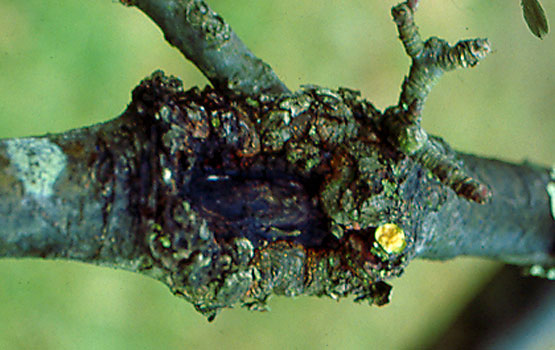
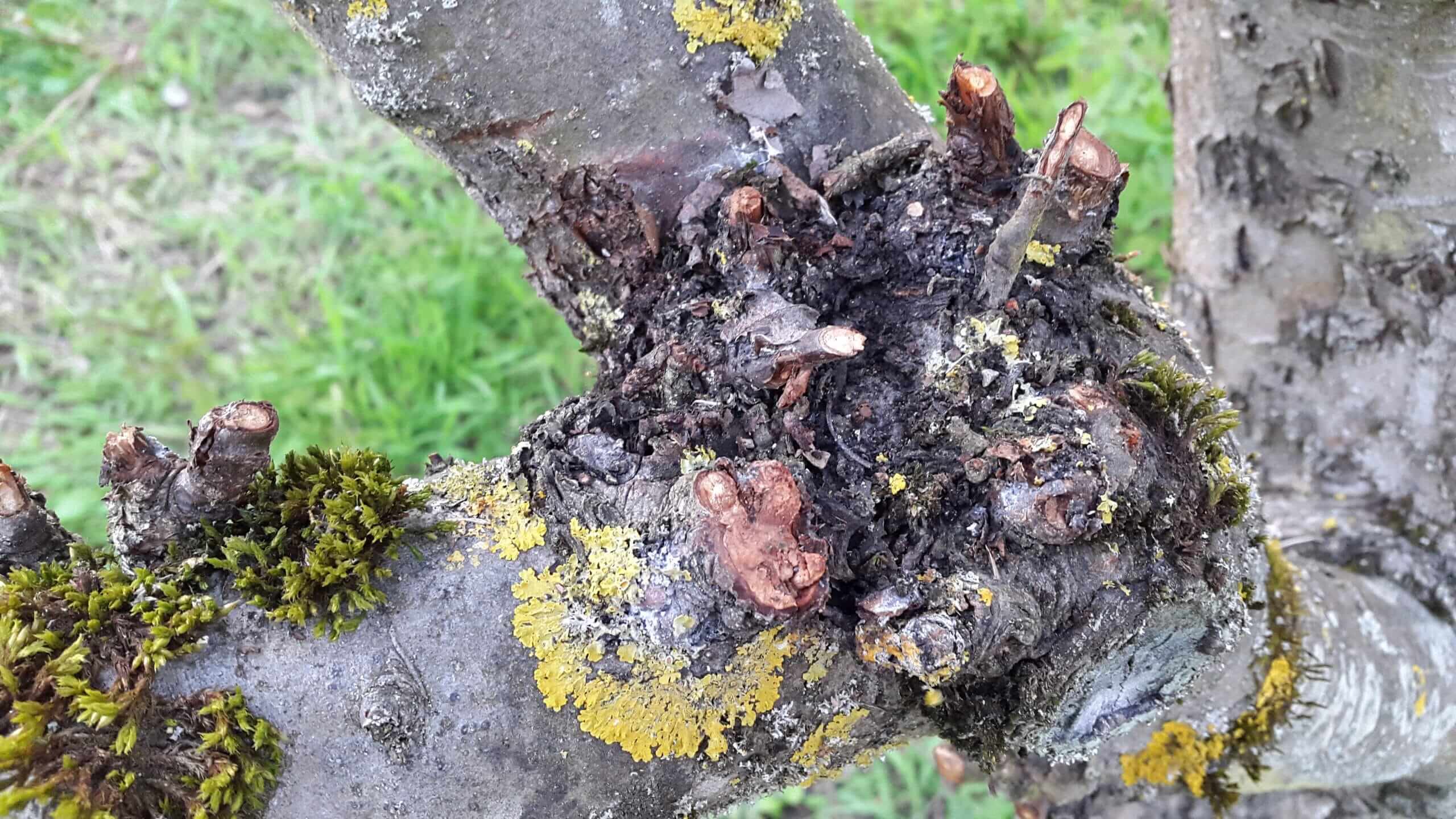
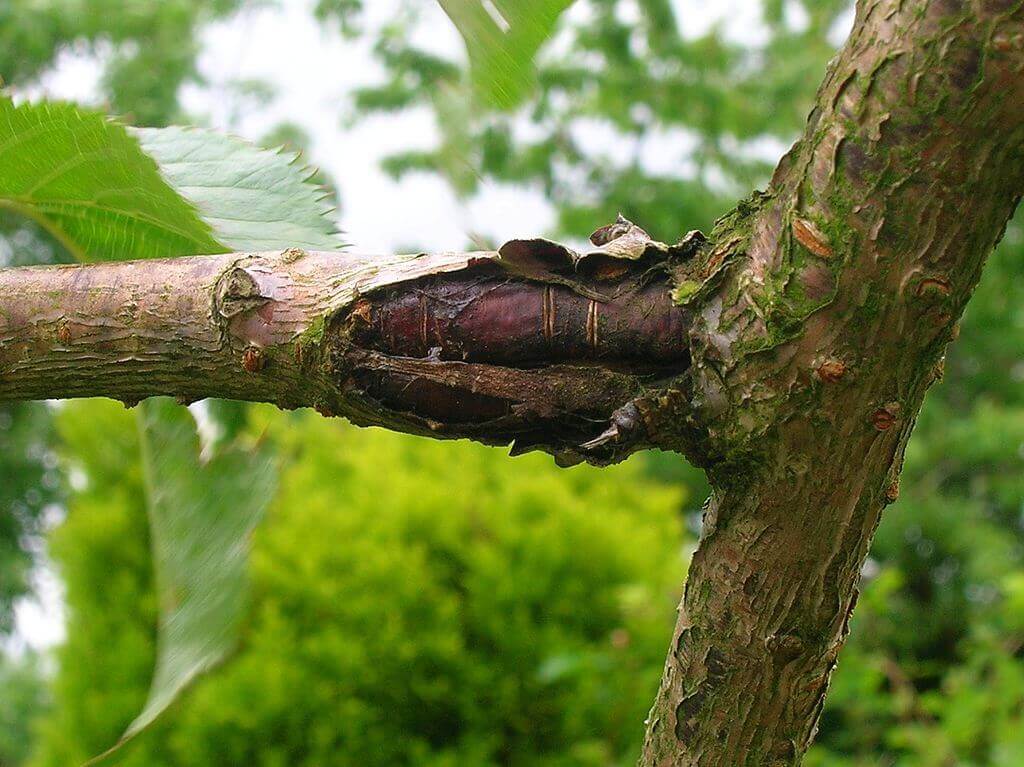
The canker caused by Nectria galligena or Cylindrocarpon mali causes lesions on the bark of apple trees, causing cracks, wounds and a general weakening of the plant. These lesions can affect the branches, the trunk or even the fruits.
• Lesions and cracks in the bark.
• Wounds on branches and trunk.
• Appearance of an orange powder on the bark.
• General weakening of the plant.
• Increased susceptibility to other infections.


TEMPERATURE AND HUMIDITY
15°C - 25°C
70% - 95%

TRANSMISSION PATHS
Wind, rainwater, contaminated irrigation water, contaminated pruning tools.
Do you want to remove this disease? Choose how you want to treat it.

TREATMENTS
Chemical treatment
• COPPER OXYCHLORIDE 14% (exp. in Cu) + CUPRIC HYDROXIDE 14% (exp. in Cu) [WG] P/P
• COPPER OXYCHLORIDE 35% (exp. in Cu) [WG] P/P
• COPPER OXYCHLORIDE 38% (EXPR. IN CU) [SC] P/V
• COPPER OXYCHLORIDE 50% (EXPR. IN CU) [WG] P/P
• CUPROCALCIC SULFATE 20% [WP] P/P
Authorized treatments in organic farming
• COPPER OXYCHLORIDE 14% (exp. in Cu) + CUPRIC HYDROXIDE 14% (exp. in Cu) [WG] P/P
• COPPER OXYCHLORIDE 35% (exp. in Cu) [WG] P/P
• COPPER OXYCHLORIDE 38% (EXPR. IN CU) [SC] P/V
• COPPER OXYCHLORIDE 50% (EXPR. IN CU) [WG] P/P
• CUPROCALCIC SULFATE 20% [WP] P/P
Biological control
-
Recommendations
• Regular inspection: Perform constant monitoring to detect early infections.
• Removal of infected parts: Prune and eliminate branches and affected parts.
• Tool hygiene: Clean and disinfect pruning tools.
• Application of fungicides: Use specific fungicides during critical periods.
• Selection of resistant varieties: Opt for varieties less susceptible to canker.
• Insect control: Manage insect pests that can create wounds on the plant.
• Avoid mechanical damage: Minimize mechanical wounds to the cortex during handling.
• Crop rotation: Change the location of plantations to avoid the accumulation of pathogens.





*The recommended treatments are still recommendations according to the databases of the authorities and at no time do they replace the guidelines established according to the legislation of each country
*The products shown are recommendations and are not our own products. As Amazon Associates, we earn revenue from purchases of recommended products.

TREATMENTS
Homemade treatments
There are no home treatments
Natural allies
Chemical treatments
There are no treatments for this disease. Treatments are directed at the insect vectors that transmit it. See insect treatments.

RECOMMENDATIONS

REPELLENT PLANTS
RECOMMENDED PRODUCTS TO ELIMINATE THIS PEST
*The recommended treatments are still recommendations according to the databases of the authorities and at no time do they replace the guidelines established according to the legislation of each country
*The products shown are recommendations and are not our own products. As Amazon Associates, we earn revenue from purchases of recommended products.



Explore more tools
Services
Contact
Legal
©2023 by ZeriMar Laboratoire. All rights reserved.