


Symptoms, treatments and recommendations for treating chancre papyraceus
Papyraceous Chancre
Nectria Galligena
Pathogen:
Type:
Fungus
Risk:
HIGH
Frutales de pepita
Cancros

WHO CAUSES IT?
Nectria galligena is a pathogenic fungus that mainly affects pome fruit trees. This fungus can survive on infected plant debris and in soil, and is particularly active during cold, wet seasons. In spring and autumn, the fungus produces spores that are dispersed by wind and rain, infecting plants through wounds in the bark. Once the spores germinate, the fungal mycelium spreads through the woody tissues, causing lesions and cankers. During the summer, the growth of the fungus slows down, but can be reactivated with the arrival of the autumn rains. The fruiting bodies of the fungus, known as perithecia, develop in dead tissues and release sexual spores that can perpetuate the cycle of infection. In addition, the fungus produces conidia, asexual spores that contribute to the spread of the disease under favorable conditions.

SYMPTOMS
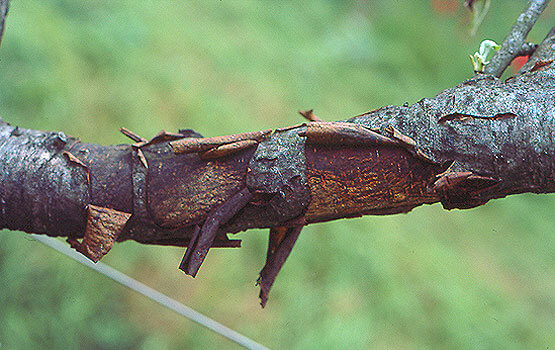
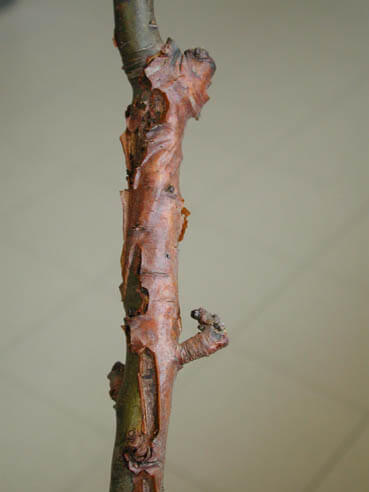
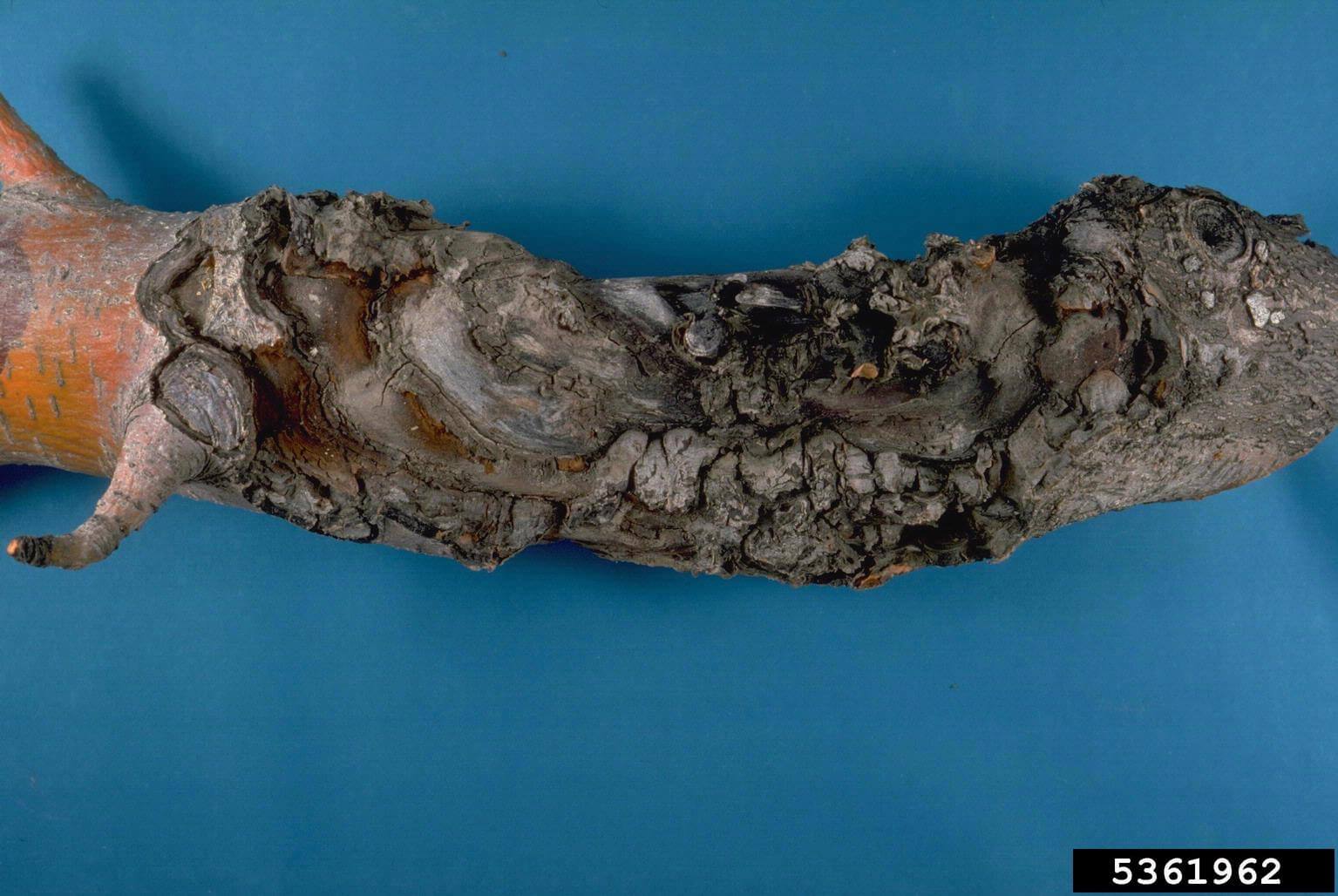
The papyraceous canker caused by Nectria galligena causes serious damage to pome fruit trees, compromising both their health and productivity. This disease is characterized by the formation of necrotic lesions in the cortex, which can expand and deepen over time.
- Sunken and dark lesions in the cortex
- Formation of cankers with raised edges and depressed center
- Gum exudation in affected areas
- Death of affected branches
- Reduction in the general vigor of the plant
- Discoloration and premature leaf fall
- Appearance of fruiting bodies of the fungus in cankers
- Death of the tree in severe cases


TEMPERATURE AND HUMIDITY
10-20°C
80-90%

TRANSMISSION PATHS
Spores carried by wind, rain, contaminated tools, wounds on the bark, infected plant remains, direct contact between plants
Do you want to remove this disease? Choose how you want to treat it.

TREATMENTS
Chemical treatment
• COPPER OXYCHLORIDE 14% (exp. in Cu) + CUPRIC HYDROXIDE 14% (exp. in Cu) [WG] P/P
• COPPER OXYCHLORIDE 35% (exp. in Cu) [WG] P/P
• COPPER OXYCHLORIDE 35% (EXPR. IN CU) [WG] P/P
• COPPER OXYCHLORIDE 38% (EXPR. IN CU) [SC] P/V
• COPPER OXYCHLORIDE 50% (EXPR. IN CU) [WG] P/P
• COPPER OXYCHLORIDE 50% (EXPR. IN CU) [WP] P/P
• CUPROCALCIC SULFATE 20% (EXPR. IN CU) [WG] P/P
• CUPROCALCIC SULFATE 20% [WP] P/P
Authorized treatments in organic farming
• COPPER OXYCHLORIDE 14% (exp. in Cu) + CUPRIC HYDROXIDE 14% (exp. in Cu) [WG] P/P
• COPPER OXYCHLORIDE 35% (exp. in Cu) [WG] P/P
• COPPER OXYCHLORIDE 35% (EXPR. IN CU) [WG] P/P
• COPPER OXYCHLORIDE 38% (EXPR. IN CU) [SC] P/V
• COPPER OXYCHLORIDE 50% (EXPR. IN CU) [WG] P/P
• COPPER OXYCHLORIDE 50% (EXPR. IN CU) [WP] P/P
• CUPROCALCIC SULFATE 20% (EXPR. IN CU) [WG] P/P
• CUPROCALCIC SULFATE 20% [WP] P/P
Biological control
-
Recommendations
- Carry out regular tree inspections to detect and remove infected branches.
- Prune in dry seasons to reduce the risk of infection through wounds.
- Apply preventive fungicides to pruning wounds and potential infection points.
- Avoid wounds to the bark during agricultural work and land management.
- Maintain good soil aeration and drainage to reduce excessive humidity.
- Remove and destroy infected plant remains to eliminate sources of inoculum.
- Use varieties of pome fruit trees that are less susceptible to the disease.
- Implement a crop rotation program to reduce the accumulation of the pathogen in the soil.
- Apply fungicide treatments at the appropriate time, following technical recommendations.
- Promote cultural practices that strengthen the general health of trees, such as balanced fertilization and adequate irrigation.





*The recommended treatments are still recommendations according to the databases of the authorities and at no time do they replace the guidelines established according to the legislation of each country
*The products shown are recommendations and are not our own products. As Amazon Associates, we earn revenue from purchases of recommended products.

TREATMENTS
Homemade treatments
There are no home treatments
Natural allies
Chemical treatments
There are no treatments for this disease. Treatments are directed at the insect vectors that transmit it. See insect treatments.

RECOMMENDATIONS

REPELLENT PLANTS
RECOMMENDED PRODUCTS TO ELIMINATE THIS PEST
*The recommended treatments are still recommendations according to the databases of the authorities and at no time do they replace the guidelines established according to the legislation of each country
*The products shown are recommendations and are not our own products. As Amazon Associates, we earn revenue from purchases of recommended products.



Explore more tools
Services
Contact
Legal
©2023 by ZeriMar Laboratoire. All rights reserved.