


Symptoms, treatments, and recommendations for treating huanglongbing (HLB), citrus greening, or yellow dragon
Huanglongbing (Hlb), Citrus Greening Or Yellow Dragon
Candidatus Liberibacter Asiaticus
Pathogen:
Type:
Bacterium
Risk:
CRITICAL
Cítricos
Virus

WHO CAUSES IT?
Candidatus Liberibacter asiaticus is a non-culturable gram-negative bacteria associated with the disease known as Huanglongbing (HLB) or citrus greening. This bacteria is mainly found in the phloem of plants and is transmitted by the Asian citrus psyllid (Diaphorina citri). Infection begins when the psyllid feeds on the sap of an infected plant and then transfers the bacteria to other plants during feeding. Once inside the phloem, the bacteria multiply and spread through the vascular tissues, blocking the flow of nutrients and causing systemic symptoms throughout the plant. The survival of Candidatus Liberibacter asiaticus in the host plant is mediated by the pathogen's ability to evade the plant immune response and persist in variable phloem conditions.

SYMPTOMS
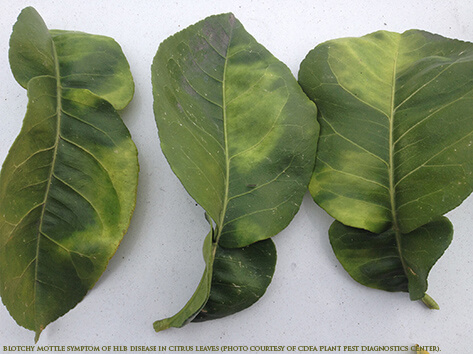
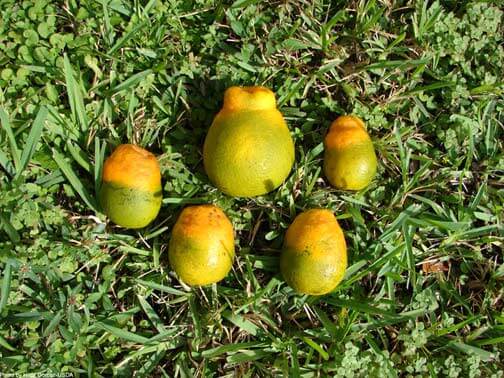
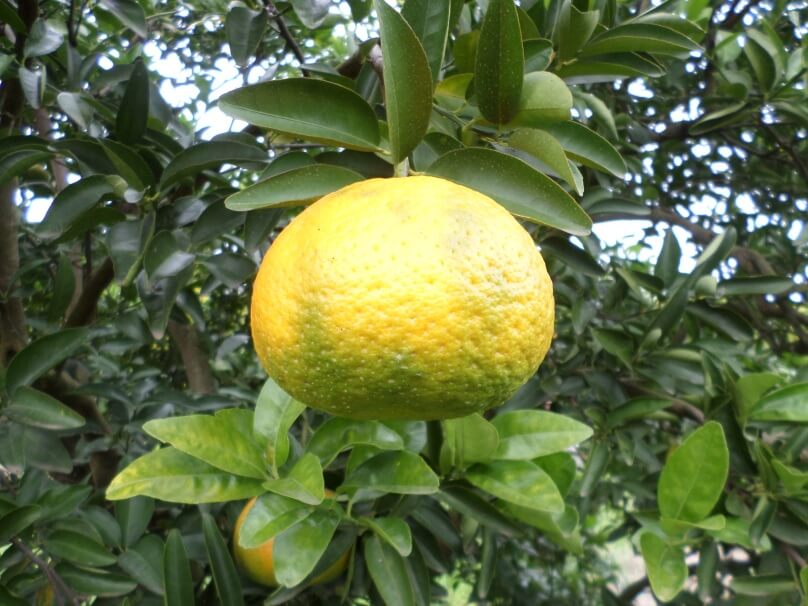
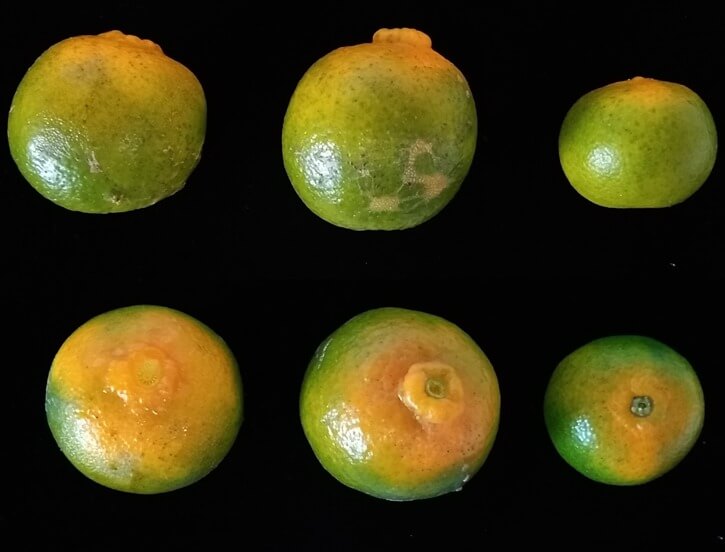
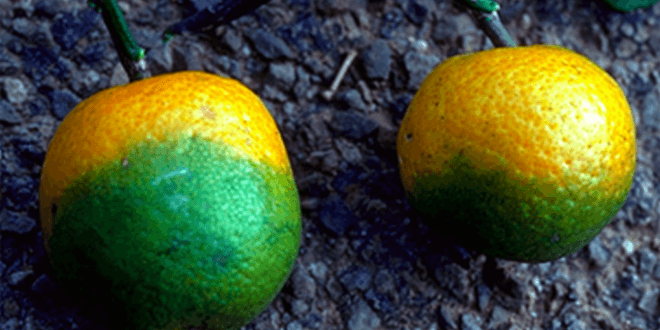
Huanglongbing (HLB) caused by Candidatus Liberibacter asiaticus affects citrus, producing symptoms that significantly weaken the plant and reduce both the quality and quantity of fruit production. The disease is known for its devastating impact on the citrus industry due to the difficulty in controlling it and the damage it causes.
- Asymmetrical yellowing of the leaves (mottled).
- Small and deformed fruits.
- Bitter taste in the fruits.
- Regressive death of branches.
- Flowering out of season.
- Plant dwarfism.
- Premature fall of fruits.
- Weakened root systems.
- Yellow Taches on the leaves that remind of a nutrient deficiency.


TEMPERATURE AND HUMIDITY
22°C - 32°C
60% - 80%

TRANSMISSION PATHS
Psyllids, Grafts, Infected plant material
Do you want to remove this disease? Choose how you want to treat it.

TREATMENTS
Chemical treatment
There are no effective treatments against this pathogen, the treatments are focused on combating the insect or vector that carries the bacteria, the Asian Citrus Psyllid Diaphorina citri (SEE THE TREATMENTS AVAILABLE AGAINST THIS INSECT)
Authorized treatments in organic farming
There are no effective treatments against this pathogen, the treatments are focused on combating the insect or vector that carries the bacteria, the Asian Citrus Psyllid Diaphorina citri (SEE THE TREATMENTS AVAILABLE AGAINST THIS INSECT)
Biological control
-
Recommendations
- Use citrus varieties resistant or tolerant to HLB when available.
- Implement a control and management program for Diaphorina citri through the use of approved insecticides.
- Regularly inspect orchards to detect and eliminate infected plants.
- Protect nurseries and orchards with anti-insect mesh to prevent the entry of the psyllid.
- Promote the use of integrated pest management (IPM) practices to reduce the vector population.
- Promote cooperation between farmers to implement control measures at the regional level.
- Apply thermotherapy treatments to infected plants to reduce the bacterial load.
- Maintain hygiene in the orchards, eliminating pruning remains and plant material that may harbor bacteria or vectors.
- Use certified HLB-free plants when establishing new orchards.





*The recommended treatments are still recommendations according to the databases of the authorities and at no time do they replace the guidelines established according to the legislation of each country
*The products shown are recommendations and are not our own products. As Amazon Associates, we earn revenue from purchases of recommended products.

TREATMENTS
Homemade treatments
There are no home treatments
Natural allies
Chemical treatments
There are no treatments for this disease. Treatments are directed at the insect vectors that transmit it. See insect treatments.

RECOMMENDATIONS

REPELLENT PLANTS
RECOMMENDED PRODUCTS TO ELIMINATE THIS PEST
*The recommended treatments are still recommendations according to the databases of the authorities and at no time do they replace the guidelines established according to the legislation of each country
*The products shown are recommendations and are not our own products. As Amazon Associates, we earn revenue from purchases of recommended products.



Explore more tools
Services
Contact
Legal
©2023 by ZeriMar Laboratoire. All rights reserved.