


Symptoms, treatments, and recommendations for treating Colorado potato beetle
Potato Beetle
Leptinotarsa Decemlineata
Pathogen:
Type:
Insect
Risk:
INTERMEDIATE

Patata
Escarabajos


WHO CAUSES IT?
Leptinotarsa decemlineata, known as the potato beetle, is an insect that causes significant damage to potato crops. Its life cycle includes the egg, larva, pupa and adult stages. Females lay orange eggs on the underside of potato leaves, from which larvae emerge and feed voraciously on the leaves. The larvae go through several stages before pupating in the soil and finally emerging as adults. The cycle can be completed in several weeks in warm conditions.

SYMPTOMS
The potato beetle causes damage to potato plants by feeding on the leaves. Larvae and adults consume large amounts of foliage, which can weaken the plant and negatively affect tuber growth and production. If the infestation is severe, the plant may die.
• Feeding damage to potato leaves.
• Reduction in photosynthesis and plant growth.
• In severe cases, death of the plant.


TEMPERATURE AND HUMIDITY
20°C - 30°C
40% - 70%

TRANSMISSION PATHS
Flight, direct contact with infected plants, transportation of infested plants or tubers.
Do you want to remove this disease? Choose how you want to treat it.

TREATMENTS
Chemical treatment
• ACETAMIPRID 0.005% [AL] P/V
• ACETAMIPRID 0.5% [SL] P/V
• ACETAMIPRID 20% [SG] P/P
• AZADIRACTIN 1% (AS AZADIRACTIN A) [EC] P/V
• Azadirachtin 2.6% (AS AZADIRACTIN A) [EC] P/V
• CYPERMETHRIN 0.5% [DP] P/P
• CYPERMETHRIN 10% [EC] P/V
• CYPERMETHRIN 5% [EC] P/V
• CYPERMETHRIN 50% [EC] P/V
• CHLORANTRANILIPROL 20% [SC] P/V
• DELTAMETHRIN 1.57% [SC] P/V
• DELTAMETHRIN 10% [EC] P/V
• DELTAMETHRIN 2.5% [EC] P/V
• ESFENVALERATE 2.5% [EC] P/V
• LAMBDA CYHALOTHRIN 0.0015% [ME] P/V
• LAMBDA CYHALOTHRIN 1.5% [CS] P/V
• LAMBDA CYHALOTHRIN 10% [CS] P/V
• LAMBDA CYHALOTHRIN 2.5% [WG] P/P
• LAMBDA CYHALOTHRIN 5% [EG] P/P
• LAMBDA CYHALOTHRIN 5% + CHLORANTRANILIPROL 10% [ZC] P/V
• METAFLUMIZONE 24% [SC] P/V
• PYRETHRINS 4.65% (as pyrethrum extract) [EC] P/V
• SPINOSAD 2.4% [SC] P/V
• SPINOSAD 48% [SC] P/V
Authorized treatments in organic farming
• AZADIRACTIN 1% (AS AZADIRACTIN A) [EC] P/V
• Azadirachtin 2.6% (AS AZADIRACTIN A) [EC] P/V
• LAMBDA CYHALOTHRIN 0.0015% [ME] P/V
• LAMBDA CYHALOTHRIN 1.5% [CS] P/V
• LAMBDA CYHALOTHRIN 10% [CS] P/V
• LAMBDA CYHALOTHRIN 2.5% [WG] P/P
• LAMBDA CYHALOTHRIN 5% [EG] P/P
• LAMBDA CYHALOTHRIN 5% + CHLORANTRANILIPROL 10% [ZC] P/V
• PYRETHRINS 4.65% (as pyrethrum extract) [EC] P/V
• SPINOSAD 2.4% [SC] P/V
• SPINOSAD 48% [SC] P/V
Biological control
-
Recommendations
• Regularly monitor crops to detect the presence of eggs, larvae or adults.
• Use specific insecticides according to expert recommendations.
• Practice crop rotation to interrupt the beetle's life cycle.
• Use potato varieties resistant to the potato beetle.
• Promote the presence of natural enemies, such as ladybugs and birds, that feed on beetles.
• Manually collect adults and larvae to reduce infestation.

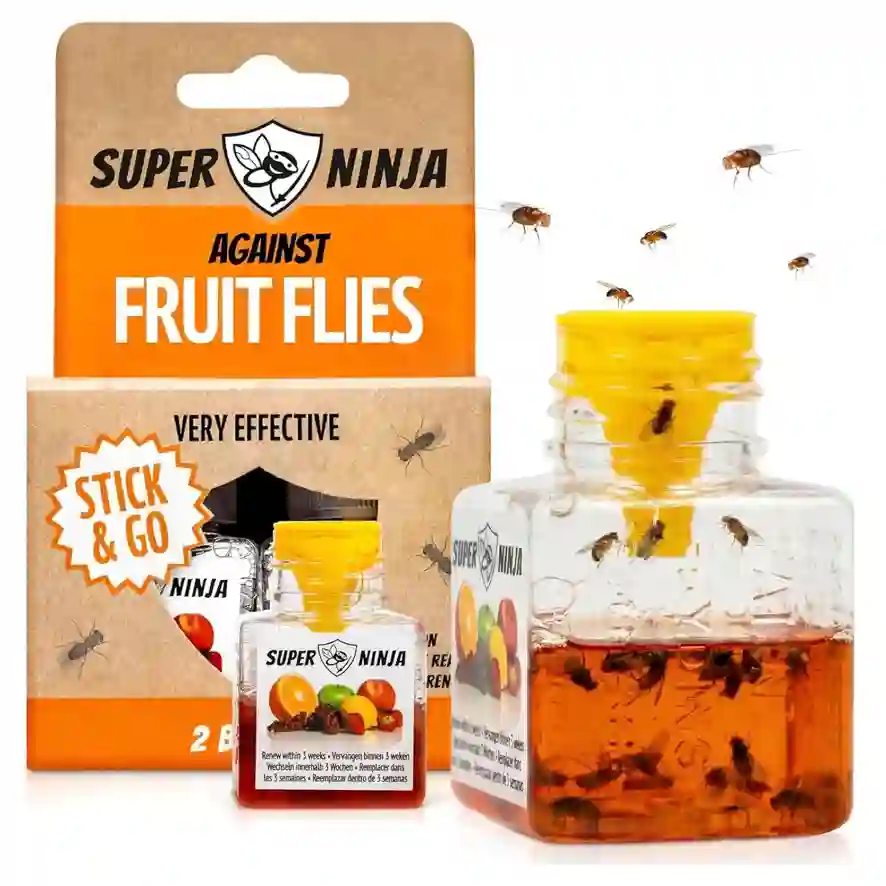
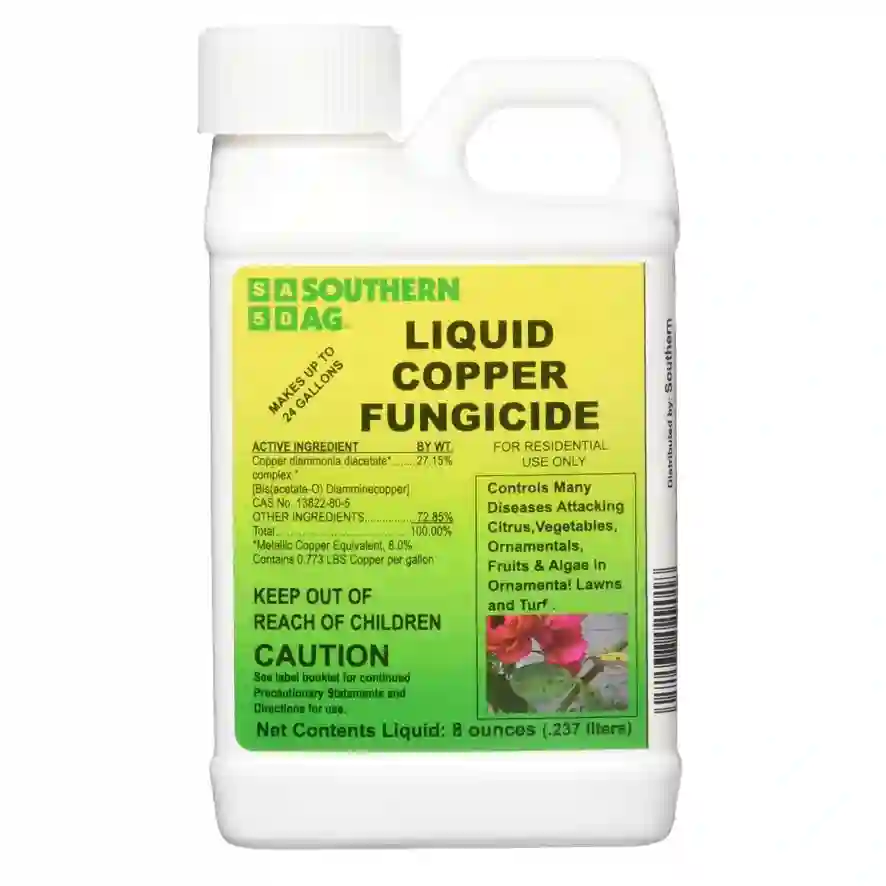


*The recommended treatments are still recommendations according to the databases of the authorities and at no time do they replace the guidelines established according to the legislation of each country
*The products shown are recommendations and are not our own products. As Amazon Associates, we earn revenue from purchases of recommended products.

TREATMENTS
Homemade treatments
There are no home treatments
Natural allies
Chemical treatments
There are no treatments for this disease. Treatments are directed at the insect vectors that transmit it. See insect treatments.

RECOMMENDATIONS

REPELLENT PLANTS
RECOMMENDED PRODUCTS TO ELIMINATE THIS PEST
*The recommended treatments are still recommendations according to the databases of the authorities and at no time do they replace the guidelines established according to the legislation of each country
*The products shown are recommendations and are not our own products. As Amazon Associates, we earn revenue from purchases of recommended products.



Explore more tools
Services
Contact
Legal
©2023 by ZeriMar Laboratoire. All rights reserved.