


Symptoms, treatments and recommendations for treating false codling moth
False Codling Moth
Thaumatotibia Leucotreta
Pathogen:
Type:
Insect
Risk:
CRITICAL (Quarantine Agency)
Pomelo
Polillas

WHO CAUSES IT?
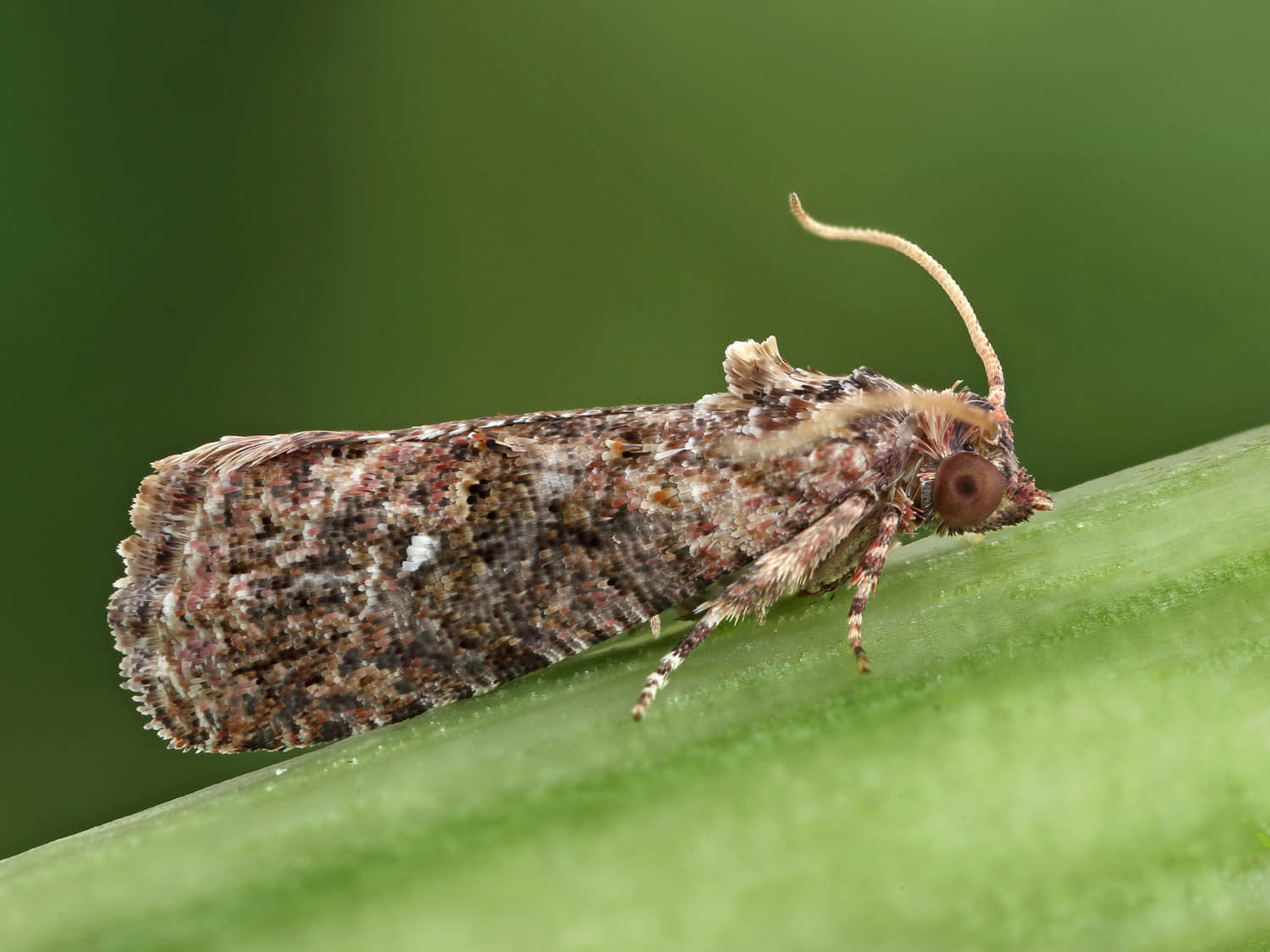
The false codling moth, known scientifically as Thaumatotibia leucotreta, is a pest that affects various fruit crops, including grapefruit. This insect is native to Africa and has caused significant damage to citrus groves in several regions of the world.

SYMPTOMS
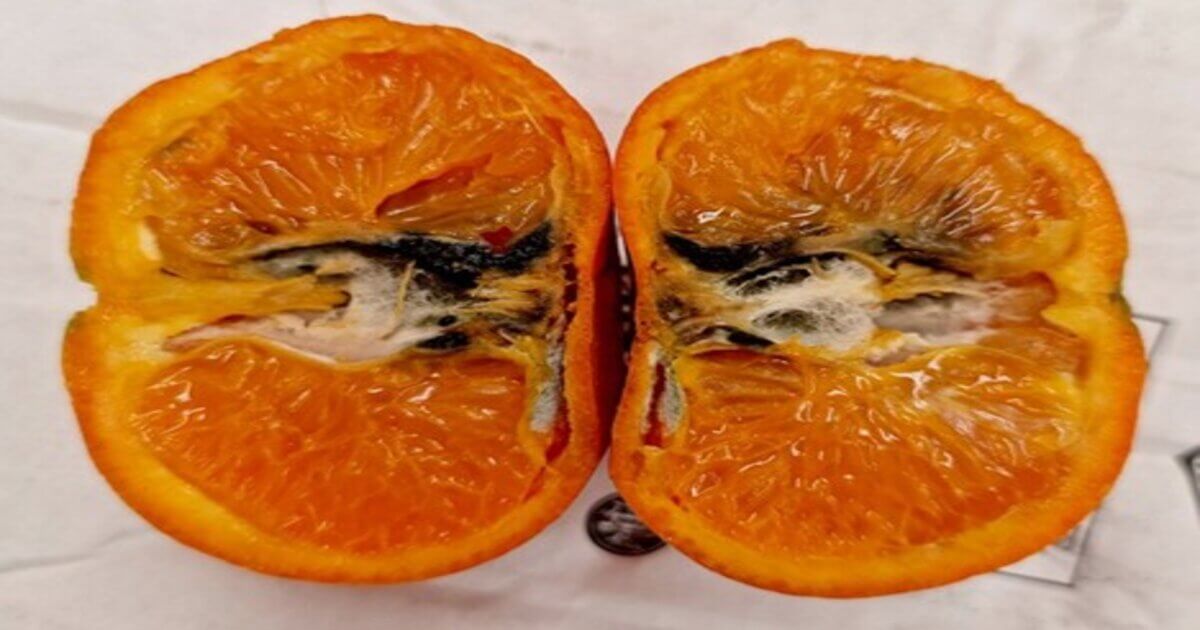
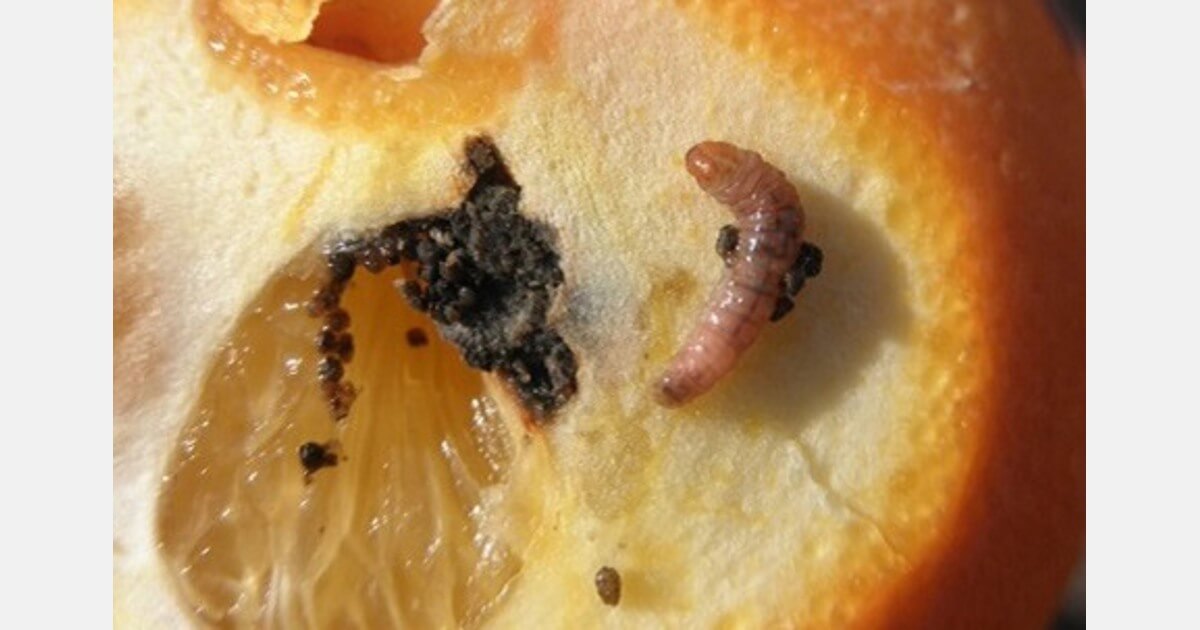
In grapefruit, the false codling moth produces a series of symptoms that mainly affect the fruits. Symptoms include the presence of galleries or tunnels within the pulp, as well as the presence of excrement and larval residues inside the fruits. In addition, affected fruits may present deformations in their shape and texture, as well as secondary rots due to the entry of pathogenic microorganisms.


TEMPERATURE AND HUMIDITY
20°C - 25°C
60% - 80%

TRANSMISSION PATHS
Active flight of adults, passive transport in infected fruits and human movement of contaminated plant material.
Do you want to remove this disease? Choose how you want to treat it.

TREATMENTS
Chemical treatment
• Cryptophlebia leucotreta (Pheromones) (Attractant pheromones of Lepidoptera)
• TEBUFENOCIDE 24% [SC] P/V
Authorized treatments in organic farming
• Cryptophlebia leucotreta (Pheromones) (Attractant pheromones of Lepidoptera)
Biological control
-
Recommendations
To prevent and control false codling moth in grapefruit crops, it is important to implement integrated pest management practices. This includes the removal of affected fruits and crop remains to reduce the pest population, the use of traps and pheromones to monitor their presence, and the application of biological or chemical insecticides at critical times in the pest's life cycle.





*The recommended treatments are still recommendations according to the databases of the authorities and at no time do they replace the guidelines established according to the legislation of each country
*The products shown are recommendations and are not our own products. As Amazon Associates, we earn revenue from purchases of recommended products.

TREATMENTS
Homemade treatments
There are no home treatments
Natural allies
Chemical treatments
There are no treatments for this disease. Treatments are directed at the insect vectors that transmit it. See insect treatments.

RECOMMENDATIONS

REPELLENT PLANTS
RECOMMENDED PRODUCTS TO ELIMINATE THIS PEST
*The recommended treatments are still recommendations according to the databases of the authorities and at no time do they replace the guidelines established according to the legislation of each country
*The products shown are recommendations and are not our own products. As Amazon Associates, we earn revenue from purchases of recommended products.



Explore more tools
Services
Contact
Legal
©2023 by ZeriMar Laboratoire. All rights reserved.