


Symptoms, treatments and recommendations for treating fusariosis
Fusariosis
Fusarium Sp.
Pathogen:
Type:
Fungus
Risk:
CRITICAL
Cannabis
Fusariosis

WHO CAUSES IT?
Fusarium is a genus of fungi that includes numerous phytopathogenic species capable of causing diseases in a wide variety of plants, including cannabis. These fungi are typically soil pathogens and can survive for long periods in the soil, infecting plant roots and spreading through the vascular system, which can result in significant damage to crops.

SYMPTOMS
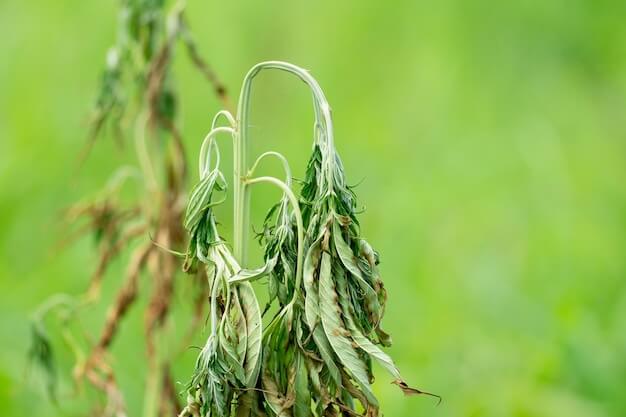
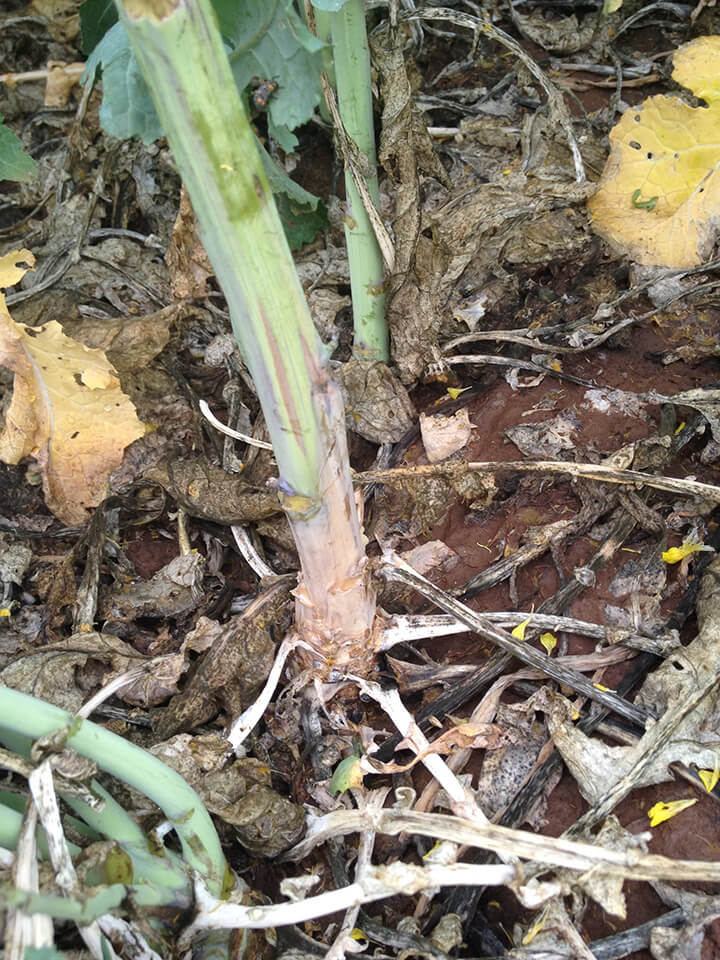
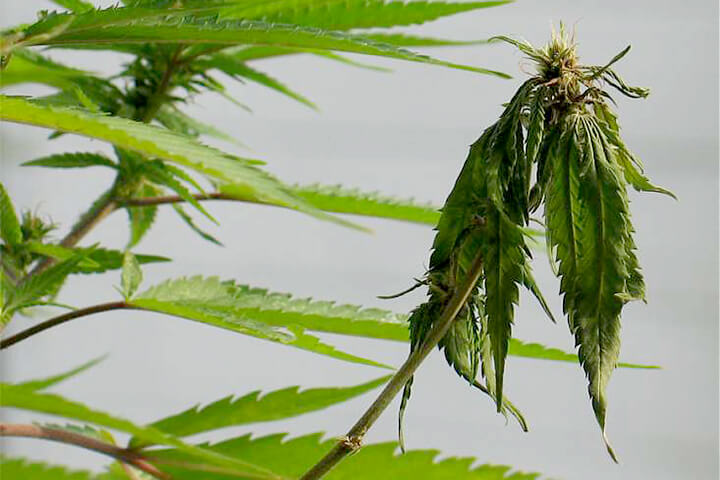
Fusarium infection in cannabis can cause symptoms such as wilting of the plants, yellowing of the leaves, necrosis in the roots and in severe cases, premature death of the plant. Additionally, signs of root and stem rot can be observed, as well as the presence of fungal structures on infected roots.


TEMPERATURE AND HUMIDITY
20°C - 30°C
60% - 80%

TRANSMISSION PATHS
Soil, contaminated seeds, infected plant material.
Do you want to remove this disease? Choose how you want to treat it.

TREATMENTS
Chemical treatment
• AZOXISTROBIN 25% [SC] P/V
• CIPRODINIL 37.5% + FLUDIOXONIL 25% [WG] P/P
• POTASSIUM HYDROGEN CARBONATE 85% [SG] P/P
• PIRACLOSTROBIN 6.7% + BOSCALIDE 26.7% (I) [WG] P/P
Authorized treatments in organic farming
• POTASSIUM HYDROGEN CARBONATE 85% [SG] P/P
Biological control
• BACILLUS AMYLOLIQUEFACIENS subsp. plantarum (strain D747) 5% [SC] P/V
• BACILLUS SUBTILIS (STRAIN QST 713) 1.34% [SC] P/V
• CLONOSTACHYS ROSEA CEPA J1446 (GLIOCLADIUM CATENULATUM (CEPA J1446)) (1 x 10E 9 cfu/g) 900 g/kg [WG] P/P
• GLIOCLADIUM CATENULATUM (STRAIN J1446) 32% (2 X 10E8 CFU/G) [WP] P/P
• TRICHODERMA ASPERELLUM (STRAIN T25) (1X10E8 CFU/G) 0.5% + TRICHODERMA ATROVIRIDE (STRAIN T11) (1X10E8 CFU/G) 0.5% [WG] P/P
• TRICHODERMA ASPERELLUM (STRAIN T34) 12% (1.0 x 10E12 cfu/kg) [WP] P/P
• TRICHODERMA ATROVIRIDE (STRAIN I-1237) (1x10E8 cfu/g) 5% [WP] P/P
Recommendations
To prevent and control Fusarium infection in cannabis crops, it is important to implement integrated pest and disease management measures. This includes selecting resistant varieties, disinfecting seeds and substrates before use, crop rotation, weed control, and proper irrigation management to avoid soil waterlogging.





*The recommended treatments are still recommendations according to the databases of the authorities and at no time do they replace the guidelines established according to the legislation of each country
*The products shown are recommendations and are not our own products. As Amazon Associates, we earn revenue from purchases of recommended products.

TREATMENTS
Homemade treatments
There are no home treatments
Natural allies
Chemical treatments
There are no treatments for this disease. Treatments are directed at the insect vectors that transmit it. See insect treatments.

RECOMMENDATIONS

REPELLENT PLANTS
RECOMMENDED PRODUCTS TO ELIMINATE THIS PEST
*The recommended treatments are still recommendations according to the databases of the authorities and at no time do they replace the guidelines established according to the legislation of each country
*The products shown are recommendations and are not our own products. As Amazon Associates, we earn revenue from purchases of recommended products.



Explore more tools
Services
Contact
Legal
©2023 by ZeriMar Laboratoire. All rights reserved.