


Symptoms, treatments and recommendations for treating wireworm
Wireworm
Agriotes Sp.
Pathogen:
Type:
Insect
Risk:
HIGH

Zanahoria
Orugas o gusanos

WHO CAUSES IT?
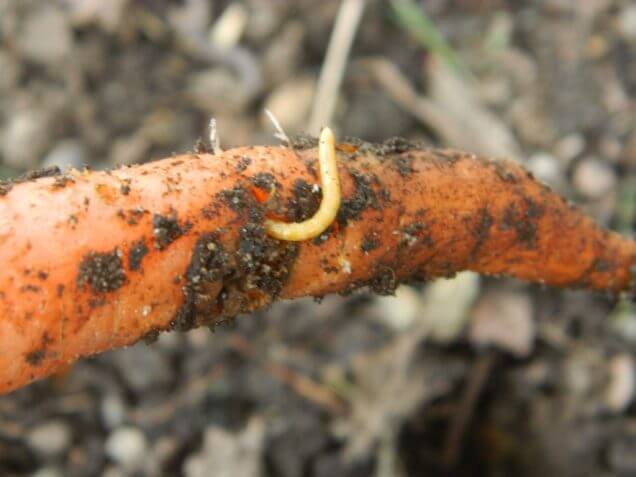
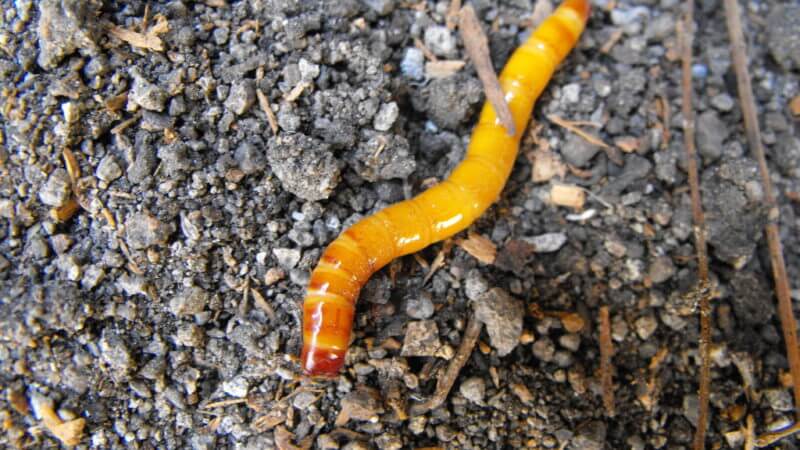
The pathogen Agriotes sp., known as wireworm, belongs to the Elateridae family. Adults are elongated, dark brown beetles that lay their eggs in the soil near the roots of plants. The larvae, which develop from these eggs, are thin and hard-bodied, similar to a wire, which gives them their common name. These larvae can live in the soil for several years, going through multiple larval stages. During this time, they feed on the roots of various plants, including important crops such as carrots. When they reach the last larval stage, they pupate in the soil and, after a period of pupation, emerge as adults completing their life cycle.

SYMPTOMS
The wireworm disease of carrots is very damaging, as the larvae feed on the roots, causing extensive damage that can lead to the total loss of the plant. The symptoms are varied and mainly affect the carrot root system, compromising the absorption of water and nutrients, resulting in poor growth and weakened plants. In severe cases, carrots may develop deformations and holes that make them unsuitable for consumption.
- Poor growth
- Weakened plants
- Deformations in carrots
- Holes in the roots
- Death of young plants


TEMPERATURE AND HUMIDITY
15°C - 25°C
70% - 90%

TRANSMISSION PATHS
Soil dispersal, Movement of infested plants, Wind, Human activities, Animals, Contaminated plant material
Do you want to remove this disease? Choose how you want to treat it.

TREATMENTS
Chemical treatment
• Agriotes lineatus (Pheromone)
• DELTAMETHRIN 1.57% [SC] P/V
• LAMBDA CYHALOTHRIN 0.15% [GR] P/P
• LAMBDA CYHALOTHRIN 0.24% [GR] P/P
• LAMBDA CYHALOTHRIN 0.4% [GR] P/P
• TEFLUTRIN 0.5% [GR] P/P
• TEFLUTHRIN 1.5% [GR] P/P
Authorized treatments in organic farming
• Agriotes lineatus (Pheromone)
• LAMBDA CYHALOTHRIN 0.15% [GR] P/P
• LAMBDA CYHALOTHRIN 0.24% [GR] P/P
• LAMBDA CYHALOTHRIN 0.4% [GR] P/P
Biological control
• BEAUVERIA BASSIANA (STRAIN ATCC 74040) 2.3% (2.3X10E7 VIABLE SPORES/ML) [OD] P/V
Recommendations
- Carry out a crop rotation with plants not susceptible to wireworm.
- Maintain good cleanliness of the field, eliminating residues from previous crops that may harbor larvae.
- Use traps baited with pheromones to capture and monitor the adult population.
- Implement physical barriers around plants to prevent larvae access.
- Apply biological treatments with entomopathogenic fungi such as Metarhizium anisopliae.
- Apply insecticides at the appropriate time, following technical recommendations to minimize the appearance of resistance.
- Promote biological control through the conservation of natural predators such as birds and beneficial nematodes.





*The recommended treatments are still recommendations according to the databases of the authorities and at no time do they replace the guidelines established according to the legislation of each country
*The products shown are recommendations and are not our own products. As Amazon Associates, we earn revenue from purchases of recommended products.

TREATMENTS
Homemade treatments
There are no home treatments
Natural allies
Chemical treatments
There are no treatments for this disease. Treatments are directed at the insect vectors that transmit it. See insect treatments.

RECOMMENDATIONS

REPELLENT PLANTS
RECOMMENDED PRODUCTS TO ELIMINATE THIS PEST
*The recommended treatments are still recommendations according to the databases of the authorities and at no time do they replace the guidelines established according to the legislation of each country
*The products shown are recommendations and are not our own products. As Amazon Associates, we earn revenue from purchases of recommended products.



Explore more tools
Services
Contact
Legal
©2023 by ZeriMar Laboratoire. All rights reserved.