


Symptoms, treatments and recommendations for treating bacterial spot
Bacterial Stain
Xanthomonas Sp.
Pathogen:
Type:
Bacterium
Risk:
HIGH
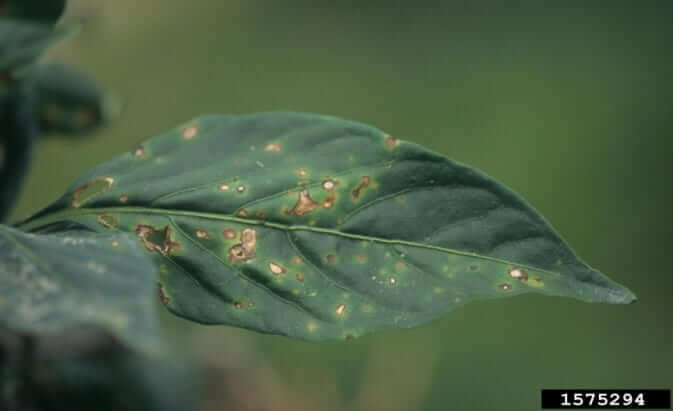
Pimiento
Bacteriosis

WHO CAUSES IT?
Xanthomonas sp. It is a genus of phytopathogenic bacteria that affects a wide variety of plants, including pepper. These bacteria are gram-negative and are characterized by their rod shape. They are motile due to the presence of one or more polar flagella. Xanthomonas enter plants through stomata and wounds, colonizing the intercellular tissue. There, the bacteria multiply rapidly, producing exopolysaccharides that clog the plant's vascular tissues and cause disease symptoms. The spread of these bacteria can be facilitated by rain, overhead irrigation, and contaminated tools. Once inside the host, the bacteria spread through the vascular systems, invading leaves, stems and fruits, and causing the characteristic symptoms of bacterial spot.

SYMPTOMS
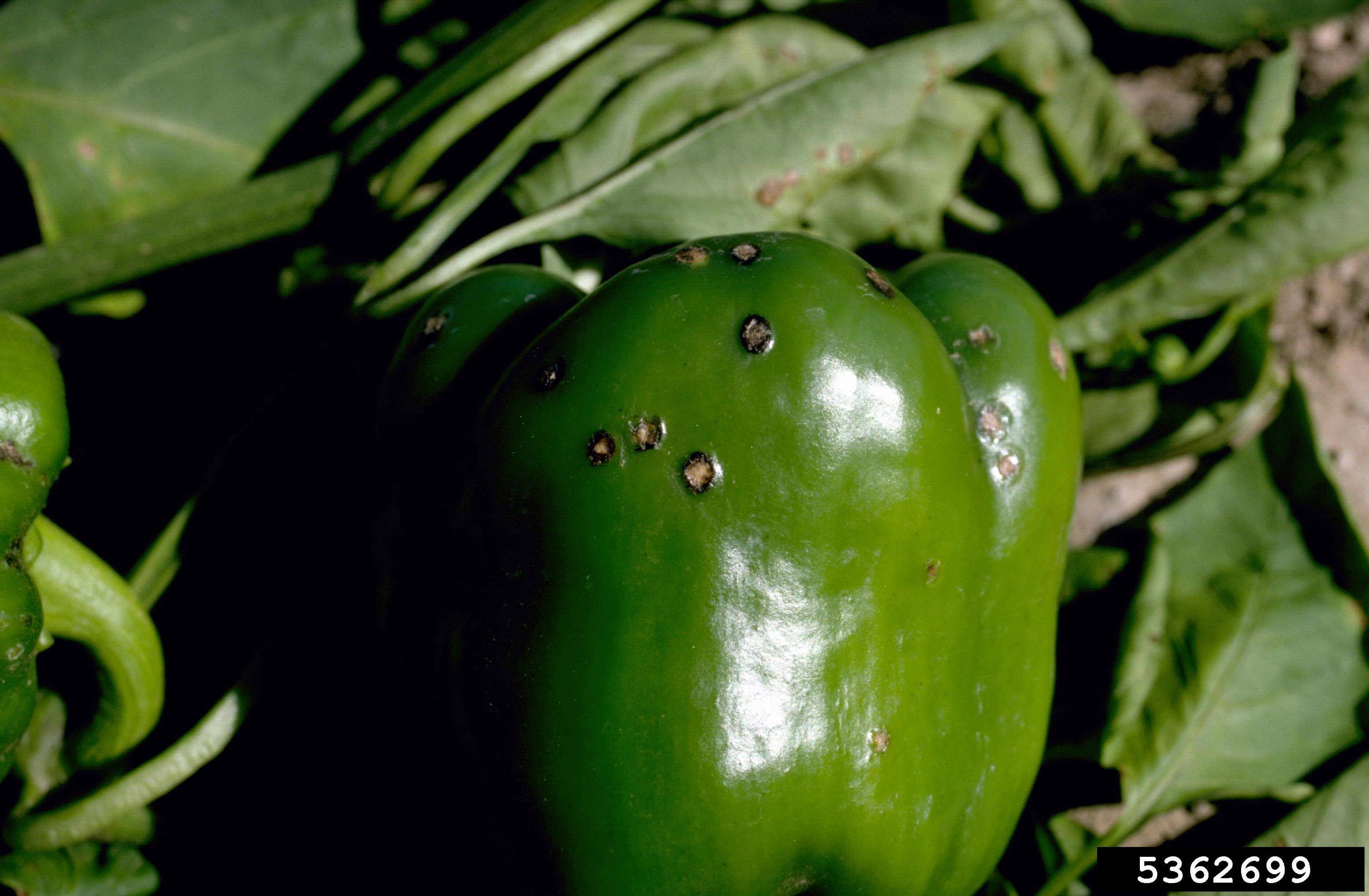
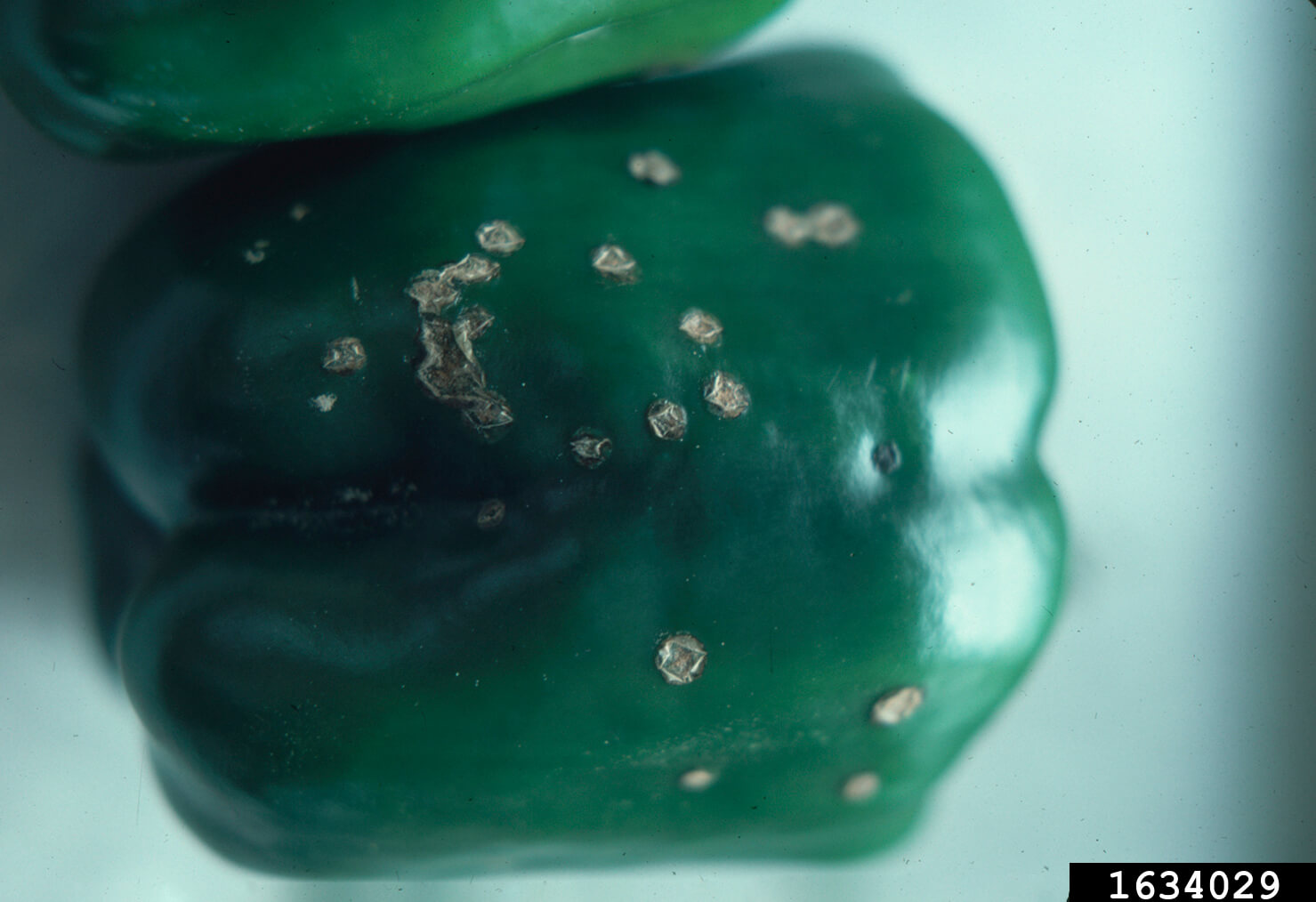
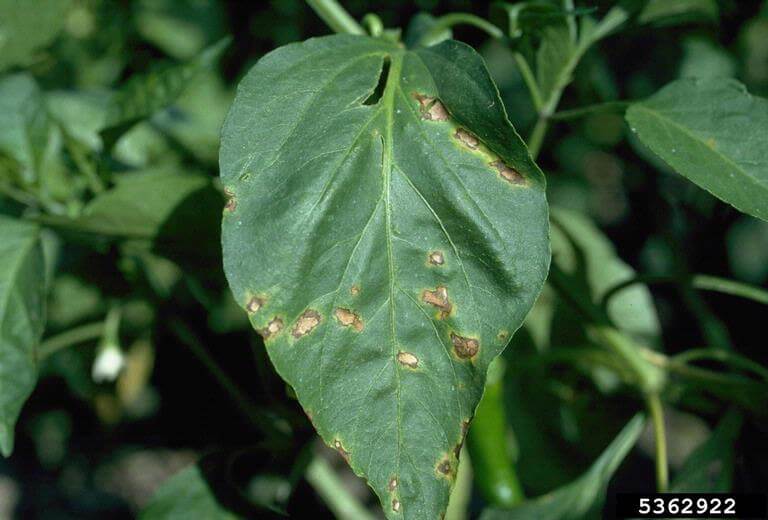
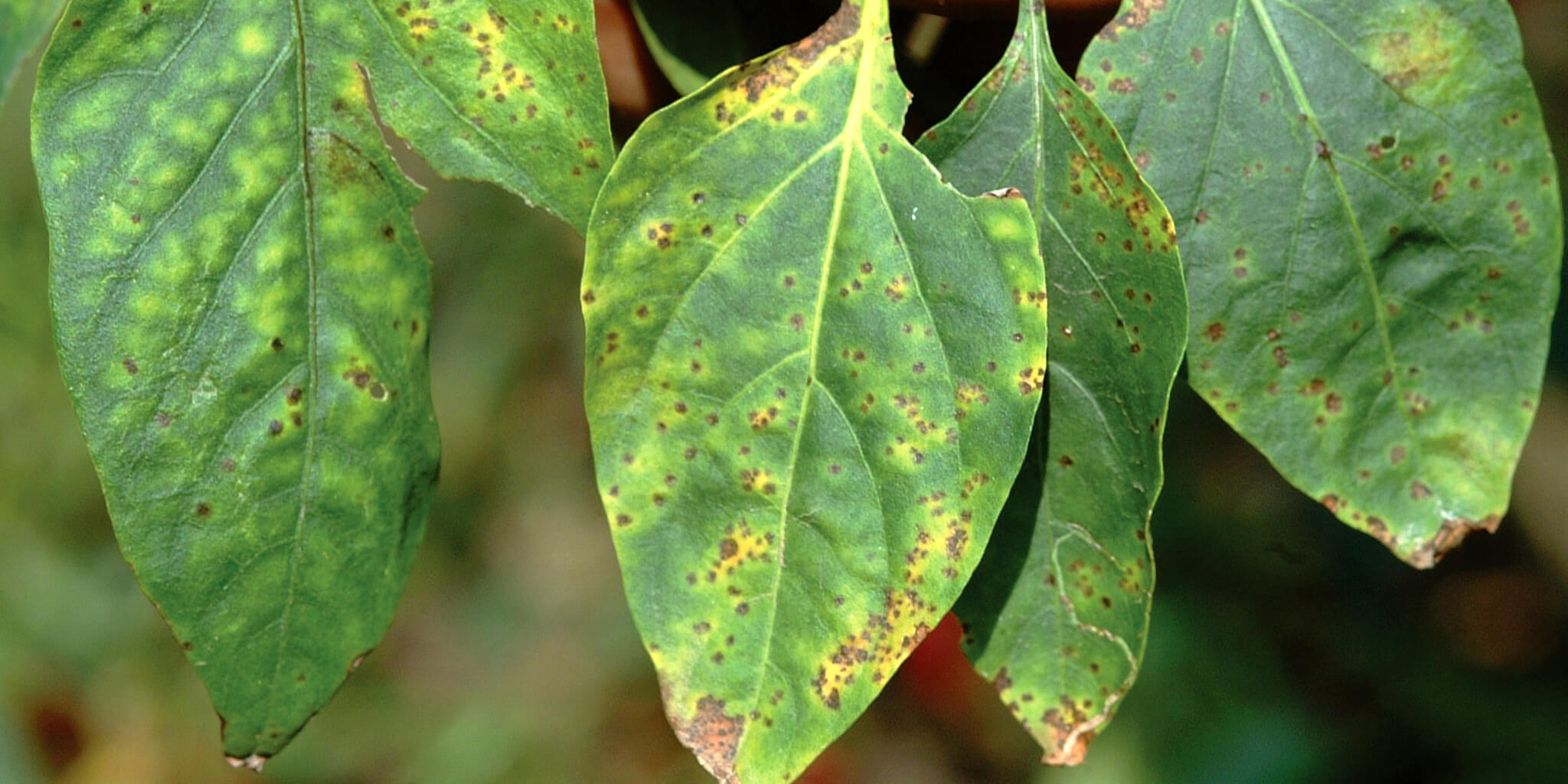
In pepper, bacterial spot caused by Xanthomonas sp. It affects both the leaves and the fruits, significantly reducing the quality and yield of the crop. The disease manifests itself with a variety of symptoms that hinder the normal growth of the plant and can lead to significant economic losses. - Watery lesions on leaves that become necrotic
- Black Taches with yellowish halos on the foliage
- Premature leaf fall
- Dark and rough lesions on the fruits
- Deformations and scars on the fruits
- Reduction in the size and quality of the fruits
- Dieback of young shoots


TEMPERATURE AND HUMIDITY
25°C - 30°C
70% - 90%

TRANSMISSION PATHS
Irrigation water, Rain, Contaminated tools, Direct contact between plants, Infected seeds
Do you want to remove this disease? Choose how you want to treat it.

TREATMENTS
Chemical treatment
• CUPROCALCIC SULFATE 20% (EXPR. IN CU) [WG] P/P
• CUPROCALCIC SULFATE 20% (EXPR. IN CU) [WG] P/P
• CUPROUS OXIDE 50% (EXPR. IN CU) [WP] P/P
• CUPROUS OXIDE 50% (EXPR. IN CU) [WP] P/P
• COPPER OXYCHLORIDE 35% (exp. in Cu) [WG] P/P
• CUPROUS OXIDE 50% (EXPR. IN CU) [WP] P/P
• CUPROCALCIC SULFATE 20% (EXPR. IN CU) [WG] P/P
Authorized treatments in organic farming
• CUPROCALCIC SULFATE 20% (EXPR. IN CU) [WG] P/P
• CUPROCALCIC SULFATE 20% (EXPR. IN CU) [WG] P/P
• CUPROUS OXIDE 50% (EXPR. IN CU) [WP] P/P
• CUPROUS OXIDE 50% (EXPR. IN CU) [WP] P/P
• COPPER OXYCHLORIDE 35% (exp. in Cu) [WG] P/P
• CUPROUS OXIDE 50% (EXPR. IN CU) [WP] P/P
• CUPROCALCIC SULFATE 20% (EXPR. IN CU) [WG] P/P
Biological control
• BACILLUS SUBTILIS (STRAIN QST 713) 1.34% [SC] P/V
• BACILLUS SUBTILIS (STRAIN QST 713) 1.34% [SC] P/V
Recommendations
- Use certified, pathogen-free seeds to avoid the introduction of bacteria.
- Implement crop rotations with non-susceptible plants to reduce disease pressure.
- Maintain an adequate distance between plants to improve air circulation and reduce leaf humidity.
- Avoid sprinkler irrigation and opt for drip irrigation systems to minimize the dispersion of the bacteria.
- Eliminate and destroy infected plants to reduce the source of inoculum.
- Disinfect work tools and equipment with bactericidal solutions before using them on healthy plants.
- Apply preventive treatments with copper-based products to reduce the incidence of the disease.
- Regularly monitor crops for early detection of symptoms and apply timely treatments.
- Promote the use of pepper varieties resistant to Xanthomonas sp. if they are available.
- Implement integrated management practices that include biological and chemical controls in a balanced manner.





*The recommended treatments are still recommendations according to the databases of the authorities and at no time do they replace the guidelines established according to the legislation of each country
*The products shown are recommendations and are not our own products. As Amazon Associates, we earn revenue from purchases of recommended products.

TREATMENTS
Homemade treatments
There are no home treatments
Natural allies
Chemical treatments
There are no treatments for this disease. Treatments are directed at the insect vectors that transmit it. See insect treatments.

RECOMMENDATIONS

REPELLENT PLANTS
RECOMMENDED PRODUCTS TO ELIMINATE THIS PEST
*The recommended treatments are still recommendations according to the databases of the authorities and at no time do they replace the guidelines established according to the legislation of each country
*The products shown are recommendations and are not our own products. As Amazon Associates, we earn revenue from purchases of recommended products.



Explore more tools
Services
Contact
Legal
©2023 by ZeriMar Laboratoire. All rights reserved.