


Symptoms, treatments and recommendations for treating leaf spot
Leaf Spot
Ascochyta Hyalospora
Pathogen:
Type:
Fungus
Risk:
HIGH
Quinoa
Micosis/Hongos

WHO CAUSES IT?
Ascochyta hyalospora is a phytopathogenic fungus that mainly affects quinoa crops. This fungus produces conidia, which are asexual structures that are spread by wind, rain, and contact with contaminated tools. Conidia germinate in favorable conditions of humidity and temperature, penetrating the leaf tissues through stomata or wounds. Once inside, the fungus develops mycelium, which spreads through the leaf tissue, causing necrosis. The fructifications of the fungus appear as small black structures called pycnidia, which release new conidia, restarting the infection process. The fungus can survive in plant residues and infected seeds, which facilitates its persistence in the field from one crop cycle to another.

SYMPTOMS
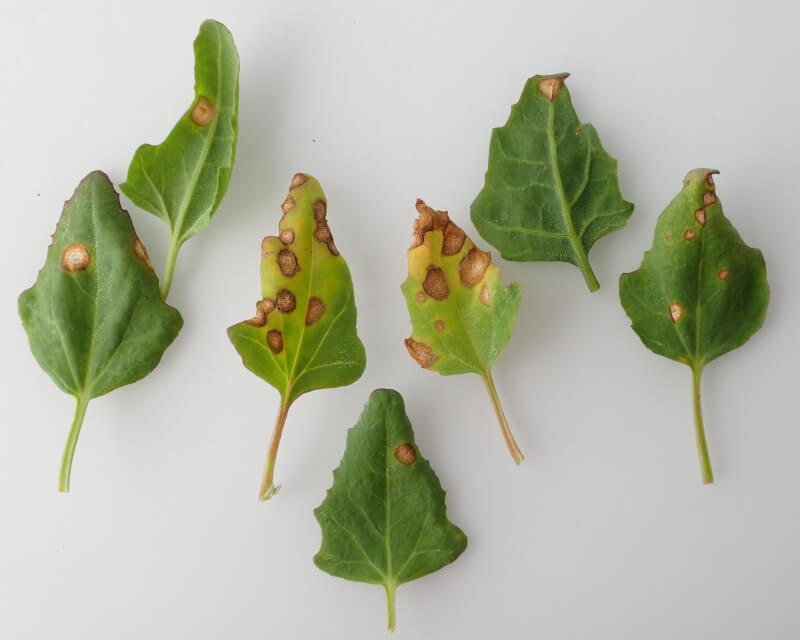
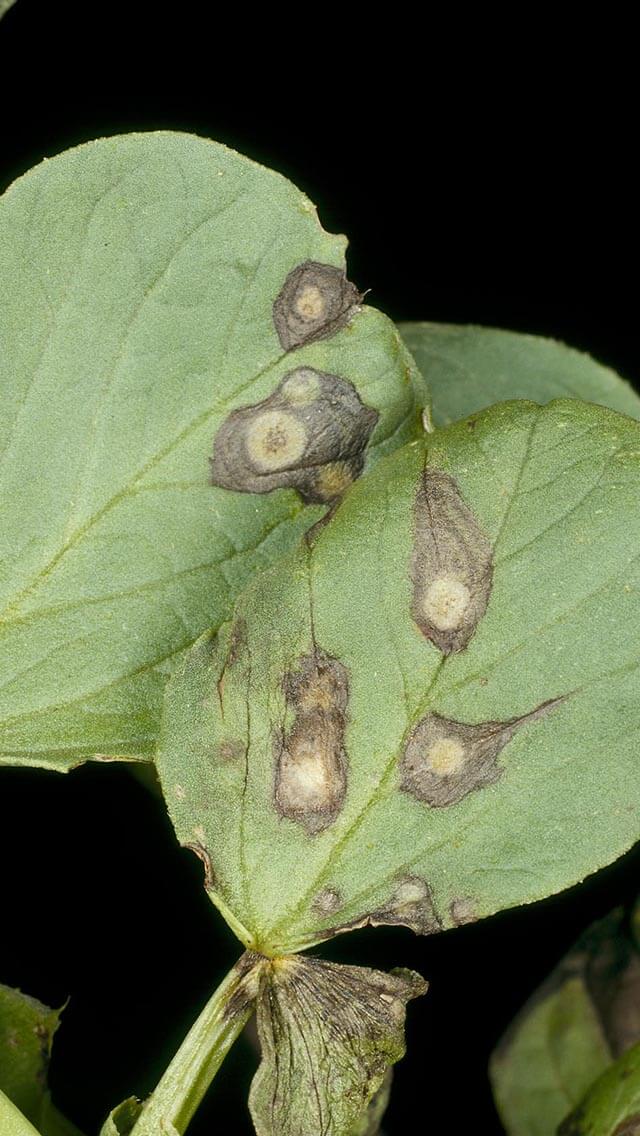
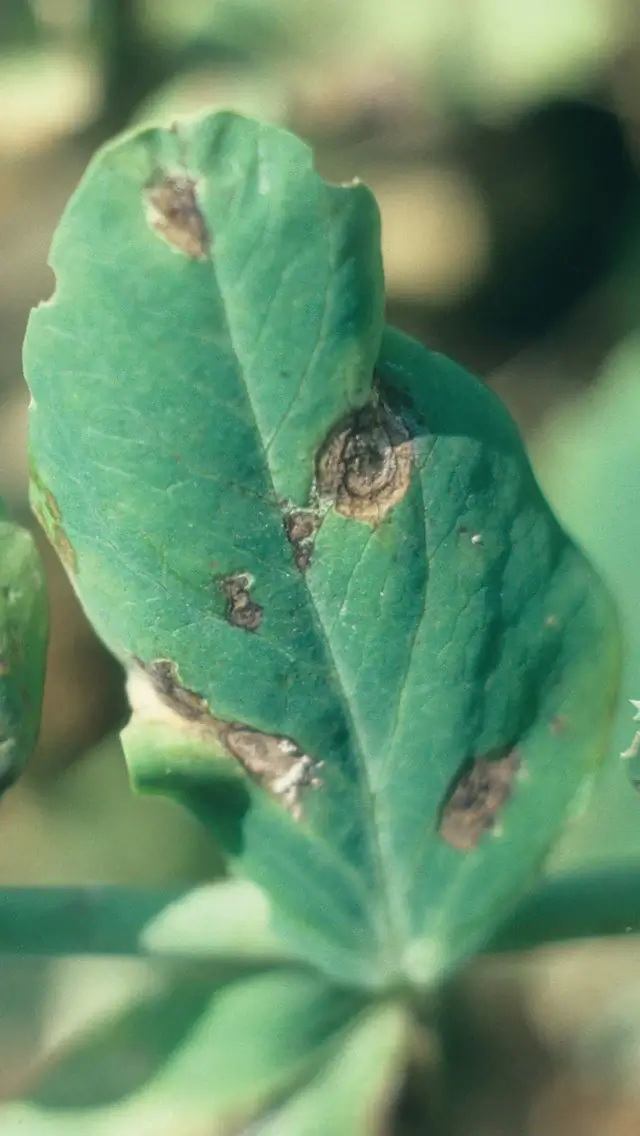
In quinoa, Ascochyta hyalospora causes the disease known as leaf spot, which can significantly affect plant health and grain production. The initial symptoms appear as small dark Taches on the leaves, which can increase in size and number, coalescing in severe cases and causing defoliation of the plant.
- Dark Taches with defined edges on the leaves.
- Necrotic lesions that can coalesce.
- Premature defoliation.
- Reduction in plant growth.
- Decrease in grain production.
- Presence of pycnidia on leaf Taches.
- General weakening of the plant.


TEMPERATURE AND HUMIDITY
18-25°C
70-90%

TRANSMISSION PATHS
Wind, Rain, Contact with contaminated tools, Infected seeds, Plant residues
Do you want to remove this disease? Choose how you want to treat it.

TREATMENTS
Chemical treatment
• AZOXISTROBIN 25% [SC] P/V
• DIFENOCONAZOLE 25% [EC] P/V
Authorized treatments in organic farming
-
Biological control
-
Recommendations
- Use certified pathogen-free seeds.
- Implement crop rotations to reduce the inoculum load in the soil.
- Remove and destroy infected crop remains after harvest.
- Avoid sprinkler irrigation that can favor the dispersion of conidia.
- Apply preventive fungicides in early stages of crop development.
- Promote good soil drainage to avoid high humidity conditions.
- Regularly monitor the crop to detect and manage infection sources early.
- Maintain an adequate distance between plants to promote air circulation.
- Encourage the use of resistant or tolerant varieties, if available.





*The recommended treatments are still recommendations according to the databases of the authorities and at no time do they replace the guidelines established according to the legislation of each country
*The products shown are recommendations and are not our own products. As Amazon Associates, we earn revenue from purchases of recommended products.

TREATMENTS
Homemade treatments
There are no home treatments
Natural allies
Chemical treatments
There are no treatments for this disease. Treatments are directed at the insect vectors that transmit it. See insect treatments.

RECOMMENDATIONS

REPELLENT PLANTS
RECOMMENDED PRODUCTS TO ELIMINATE THIS PEST
*The recommended treatments are still recommendations according to the databases of the authorities and at no time do they replace the guidelines established according to the legislation of each country
*The products shown are recommendations and are not our own products. As Amazon Associates, we earn revenue from purchases of recommended products.



Explore more tools
Services
Contact
Legal
©2023 by ZeriMar Laboratoire. All rights reserved.