


Symptoms, treatments and recommendations for treating spots
Spots
Fungi and bacteria
Pathogen:
Type:
Fungi and bacteria
Risk:
HIGH
Plantas decorativas de jardín y/o interior
Manchas

WHO CAUSES IT?
Phytopathogenic fungi and bacteria are microscopic organisms that affect plants. Fungi reproduce through spores that are dispersed by wind, water or insects. These spores germinate in favorable conditions, developing structures that penetrate plant tissues, absorbing nutrients and causing damage. They can survive in plant debris or in the soil, waiting for favorable conditions to infect new plants. Bacteria, for their part, multiply rapidly in humid environments, entering plants through wounds, stomata or hydathodes. Once inside, they spread throughout the vascular system, interfering with vital functions and causing visible symptoms. Both pathogens can persist in the environment for long periods, facilitating their spread and reinfection.

SYMPTOMS
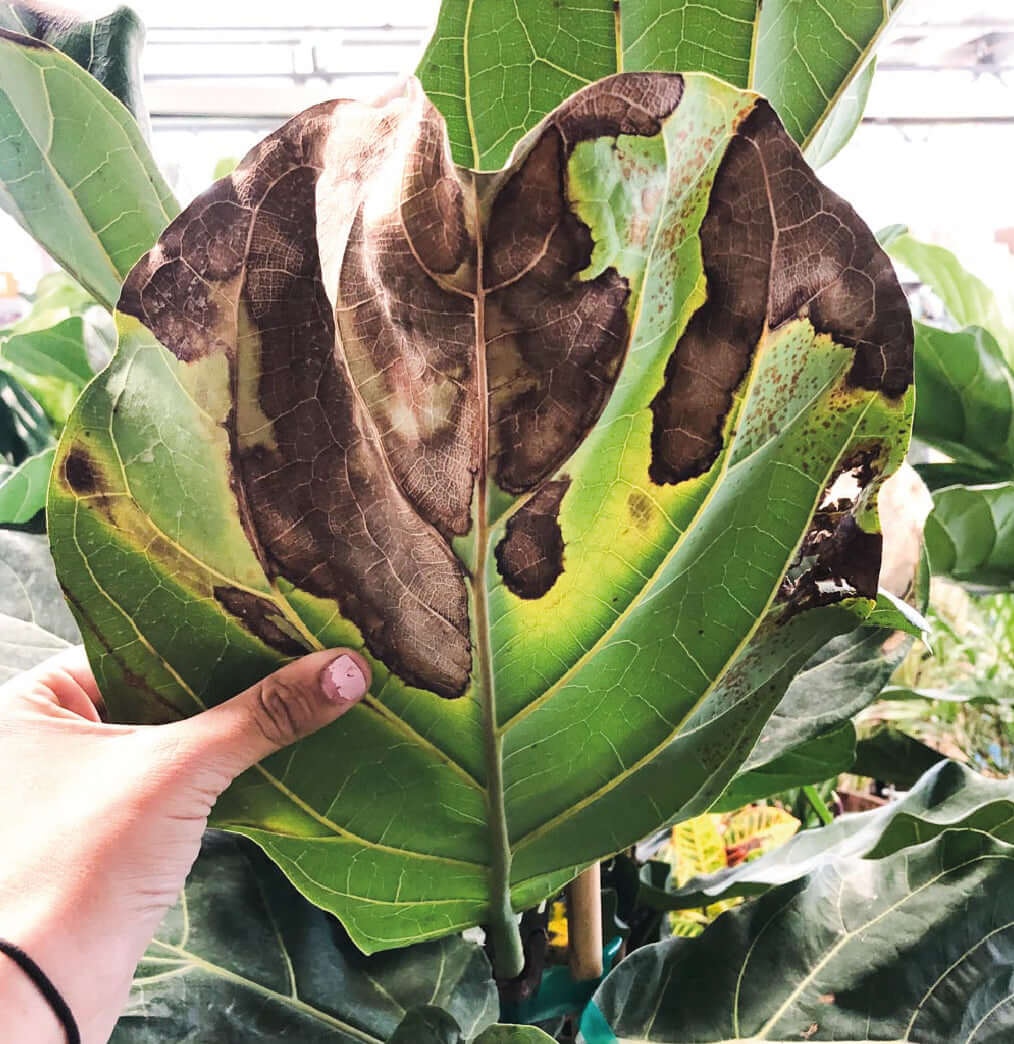
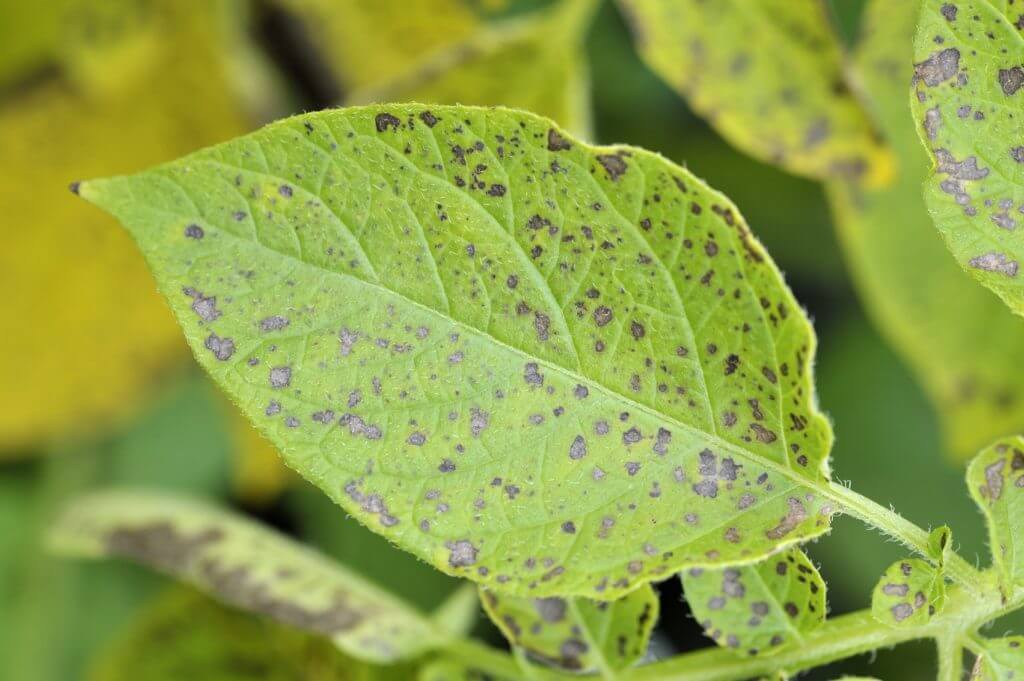
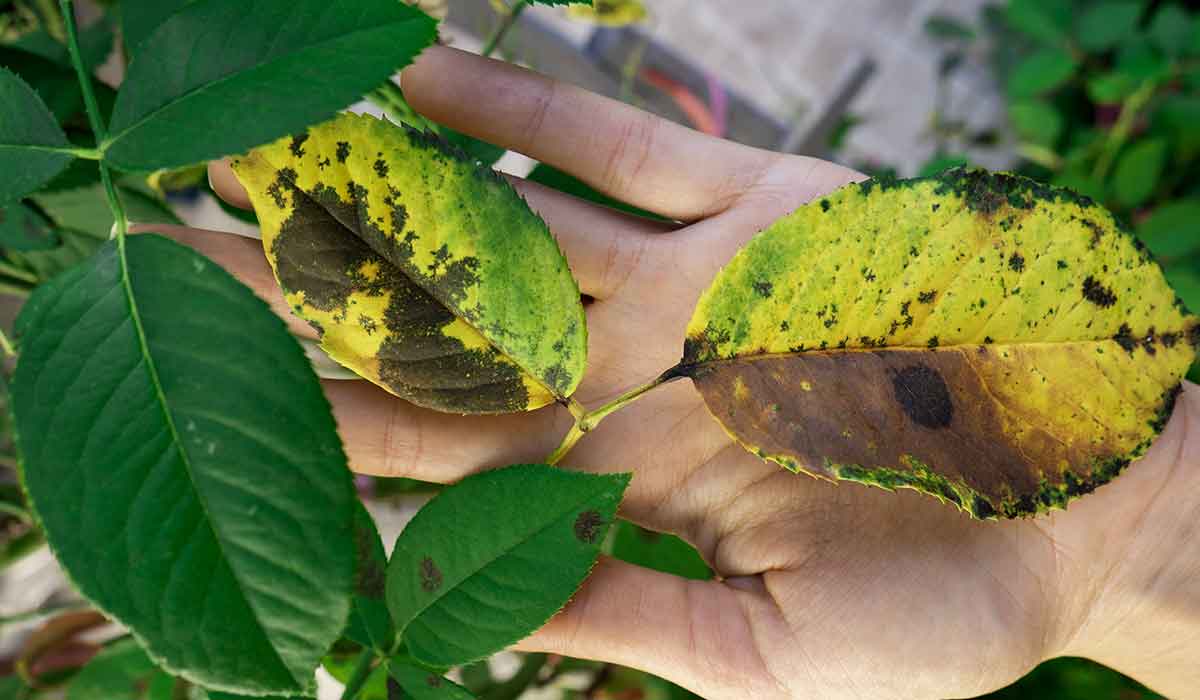
Spots caused by fungi and bacteria on plants manifest themselves as visible lesions on leaves, stems and fruits. These spots can vary in color, shape and size, depending on the pathogen and the plant species affected. As the infection progresses, the spots can expand, fuse and cause tissue necrosis, affecting photosynthesis and weakening the plant. In severe cases, they can cause premature fall of leaves and fruits, reducing the yield and quality of the harvest. Circular or irregular brown, black or gray spots on leaves, presence of yellowish halos around the spots, moist or watery lesions on stems and fruits, necrosis of the affected tissue, premature fall of leaves and fruits, deformations on leaves and fruits, presence of bacterial exudates in the lesions.


TEMPERATURE AND HUMIDITY
23°C – 28°C
74% – 80%

TRANSMISSION PATHS
Air, Water, Insect vectors, Contaminated tools, Infected seeds, Contact between plants
Do you want to remove this disease? Choose how you want to treat it.

TREATMENTS
Chemical treatment
• Orange oil 6% [SL] W/V
• Azoxystrobin 25% [SC] W/V
• Sulfur 80% [SC] W/V
• Sulfur 80% [WG] W/W
• Sulfur 80% [WP] W/W
• Diphenoconazole 0.0167% [AL] W/V
• Diphenoconazole 1.67% [EC] W/V
• Copper hydroxide 25% (expr. on Cu) [WG] W/W
• Copper hydroxide 50% (expr. on Cu) [WP] W/W
• Copper oxychloride 14% (expr. on Cu) + Copper hydroxide 14% (expr. on Cu) [WG] W/W
• Copper oxychloride 30% (EXPR. IN CU) [WP] P/P
• COPPER OXYCHLORIDE 35% (exp. in Cu) [WG] P/P
• COPPER OXYCHLORIDE 35% (EXPR. IN CU) [WG] P/P
• COPPER OXYCHLORIDE 38% (EXPR. IN CU) [SC] P/V
• COPPER OXYCHLORIDE 50% (EXPR. IN CU) [WP] P/P
• COPPER OXYCHLORIDE 52% (EXPR. IN CU) [SC] P/V
• CUPROUS OXIDE 50% (EXPR. IN CU) [WP] P/P
• PIRACLOSTROBIN 6.7% + BOSCALIDE 26.7% ( ) [WG] P/P
• PIRACLOSTROBIN 6.7% + BOSCALIDE 26.7% (I) [WG] P/P
• CUPROCALCIC SULFATE 20% (EXPR. IN CU) [WG] P/P
• CUPROCALCIC SULFATE 20% (EXPR. IN CU) [WP] P/P
• TRIBASIC COPPER SULFATE 19% (EXPR. IN CU) [SC] P/V
• TETRACONAZOLE 10% [EC] P/V
• TETRACONAZOLE 12.5% [ME] P/V
• TETRACONAZOLE 4% [ME] P/V
Authorized treatments in organic farming
• ORANGE OIL 6% [SL] W/V
• SULFUR 80% [SC] W/V
• SULFUR 80% [WG] W/W
• SULFUR 80% [WP] W/W
• CUPRIC HYDROXIDE 25% (EXPR. IN CU) [WG] W/W
• CUPRIC HYDROXIDE 50% (EXPR. IN CU) [WP] W/W
• COPPER OXYCHLORIDE 14% (exp. in Cu) + CUPRIC HYDROXIDE 14% (exp. in Cu) [WG] W/W
• COPPER OXYCHLORIDE 30% (EXPR. IN CU) [WP] W/W
• COPPER OXYCHLORIDE 35% (exp. in Cu) [WG] W/W
• COPPER OXYCHLORIDE 35% (EXPR. IN CU) [WG] P/P
• COPPER OXYCHLORIDE 38% (EXPR. IN CU) [SC] P/V
• COPPER OXYCHLORIDE 50% (EXPR. IN CU) [WP] P/P
• COPPER OXYCHLORIDE 52% (EXPR. IN CU) [SC] P/V
• CUPROUS OXIDE 50% (EXPR. IN CU) [WP] P/P
• CUPROCALCIC SULFATE 20% (EXPR. IN CU) [WG] P/P
• CUPROCALCIC SULFATE 20% (EXPR. IN CU) [WP] P/P
• TRIBASIC COPPER SULFATE 19% (EXPR. IN CU) [SC] P/V
Biological control
• BACILLUS AMYLOLIQUEFACIENS subsp. plantarum (strain D747) 5% [SC] P/V
• BACILLUS SUBTILIS (STRAIN QST 713) 1.34% [SC] P/V
Recommendations
Remove and destroy infected plant debris to reduce sources of inoculum
Avoid overhead irrigation to minimize the spread of spores and bacteria
Maintain an adequate distance between plants to improve air circulation
Disinfect work tools and equipment regularly
Use certified, pathogen-free seeds and plant material
Apply specific fungicides and bactericides according to technical recommendations
Implement crop rotations to interrupt the pathogen cycle
Constantly monitor plantations to detect early symptoms
Promote biodiversity in cultivation to reduce the incidence of diseases
Train staff in integrated disease management practices





*The recommended treatments are still recommendations according to the databases of the authorities and at no time do they replace the guidelines established according to the legislation of each country
*The products shown are recommendations and are not our own products. As Amazon Associates, we earn revenue from purchases of recommended products.

TREATMENTS
Homemade treatments
There are no home treatments
Natural allies
Chemical treatments
There are no treatments for this disease. Treatments are directed at the insect vectors that transmit it. See insect treatments.

RECOMMENDATIONS

REPELLENT PLANTS
RECOMMENDED PRODUCTS TO ELIMINATE THIS PEST
*The recommended treatments are still recommendations according to the databases of the authorities and at no time do they replace the guidelines established according to the legislation of each country
*The products shown are recommendations and are not our own products. As Amazon Associates, we earn revenue from purchases of recommended products.



Explore more tools
Services
Contact
Legal
©2023 by ZeriMar Laboratoire. All rights reserved.