


Symptoms, treatments and recommendations for treating leaf miner
Minelayer
Liriomiza Trifolii
Pathogen:
Type:
Insect
Risk:
HIGH
Apio
Minadores

WHO CAUSES IT?
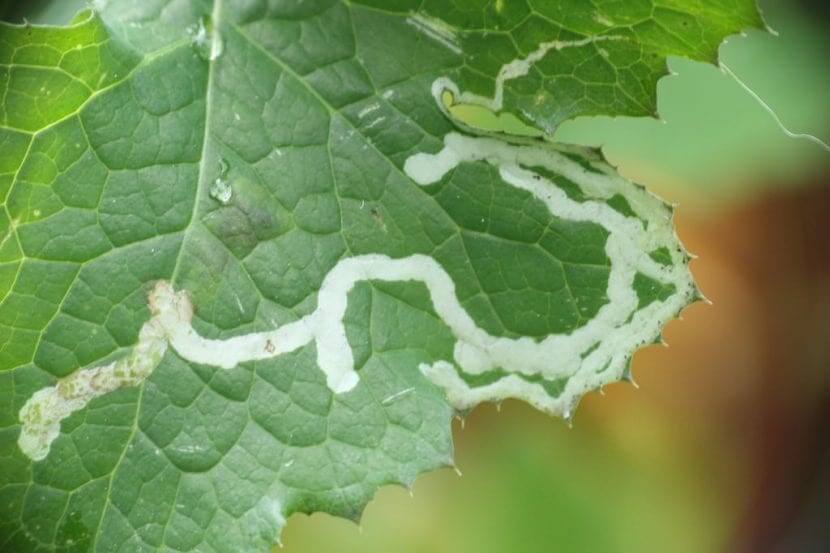
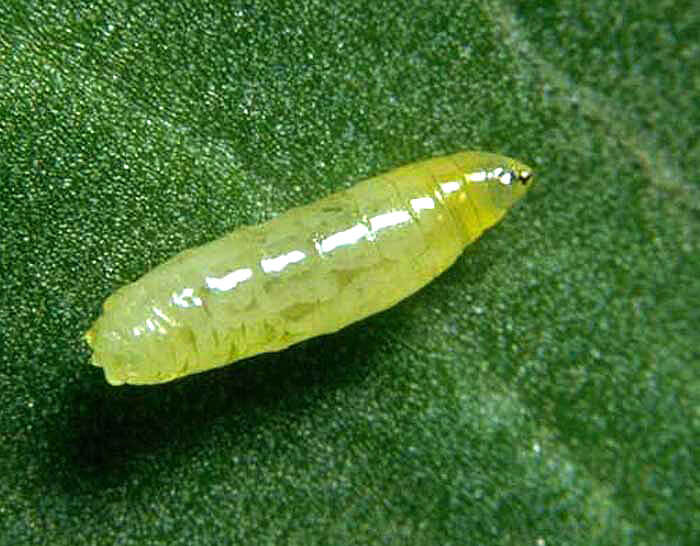
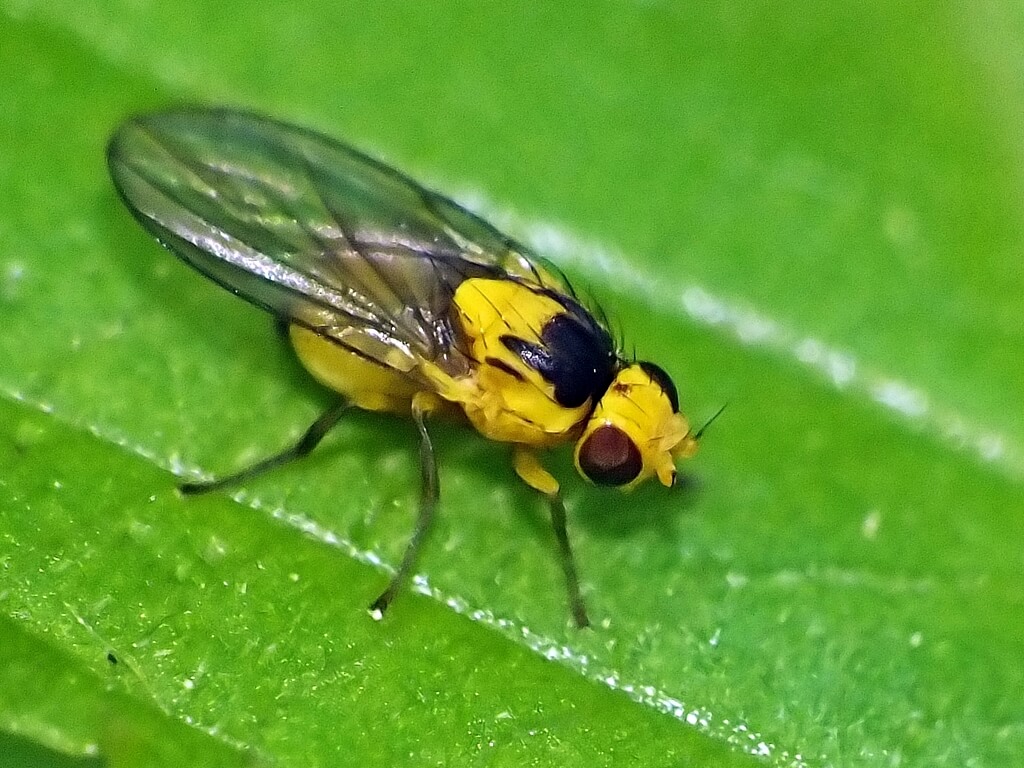
Liriomyza trifolii, known as the celery leafminer fly, is a dipteran insect of the Agromyzidae family. Adults are small flies about 2 mm long, with black and yellow bodies. Females pierce celery leaves to deposit their eggs within the leaf tissue. The eggs hatch into larvae that begin to feed, creating tunnels or serpentine mines in the leaves. The larvae go through three larval stages before falling to the ground to pupate. The pupal stage takes place in the soil and lasts approximately 7 to 14 days, depending on environmental conditions. Later, adults emerge and the cycle repeats. Under favorable conditions, there can be multiple generations per year, significantly increasing infestation and damage to celery crops.

SYMPTOMS
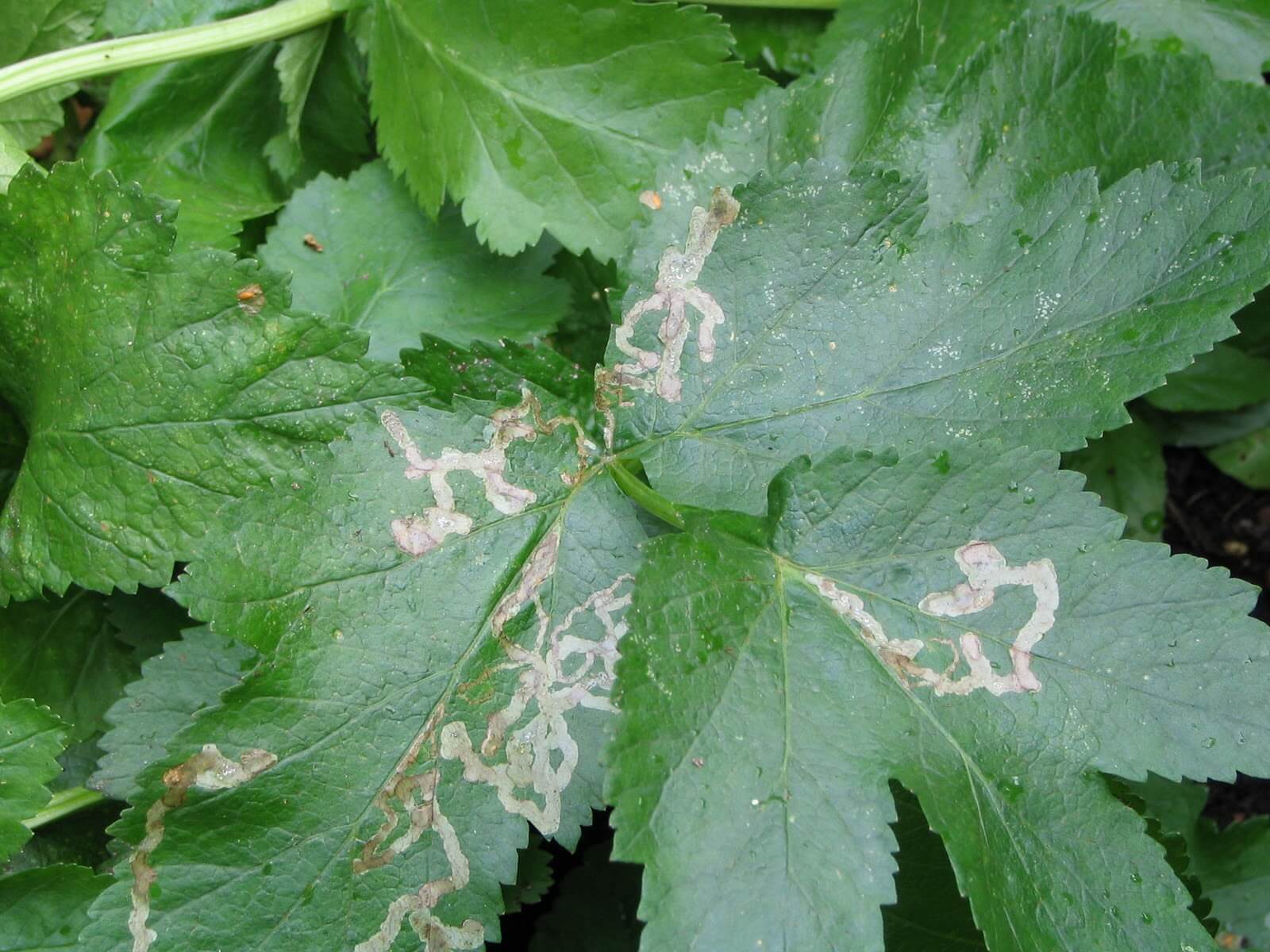
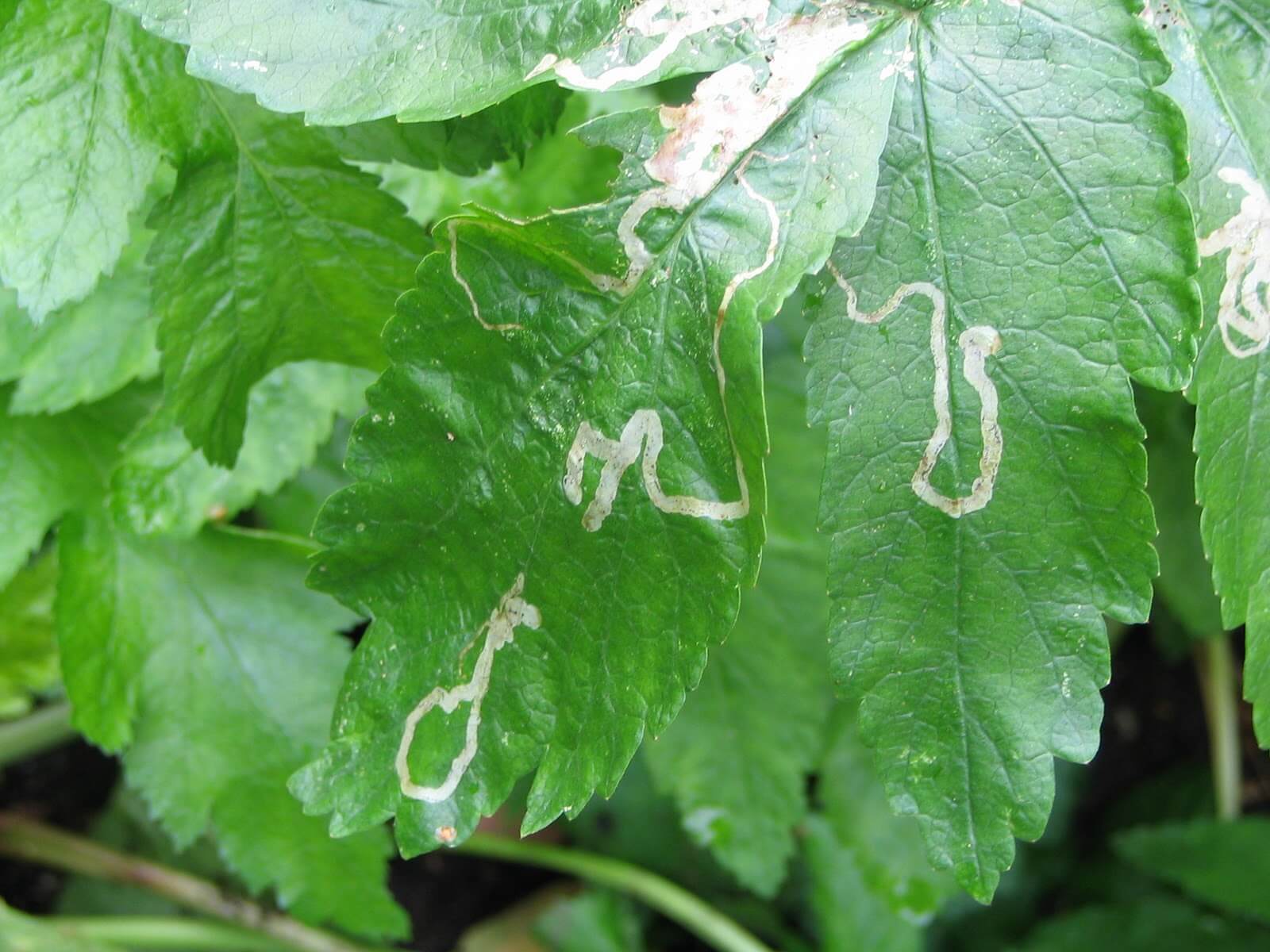
The leafminer fly causes a disease in celery that is mainly manifested by the presence of mines on the leaves, which affects photosynthesis and weakens the plant. This damage reduces the quality and quantity of the celery yield, making the leaves unusable for marketing.
- Meandering tunnels visible in the leaves.
- Discolored leaves with white or brown Taches.
- Loss of useful leaf area.
- Deformations in the leaves.
- Reduction of plant growth.
- Greater susceptibility to secondary infections.


TEMPERATURE AND HUMIDITY
20-30°C
50-80%

TRANSMISSION PATHS
Direct contact, Wind, Contaminated plant material, Agricultural machinery, Transport of infected plants, Soil movement
Do you want to remove this disease? Choose how you want to treat it.

TREATMENTS
Chemical treatment
• AZADIRACTIN 1% (AS AZADIRACTIN A) [EC] P/V
• Azadirachtin 2.6% (AS AZADIRACTIN A) [EC] P/V
• DELTAMETHRIN 2.5% [EC] P/V
• ADHESIVE TRAPS
Authorized treatments in organic farming
• AZADIRACTIN 1% (AS AZADIRACTIN A) [EC] P/V
• Azadirachtin 2.6% (AS AZADIRACTIN A) [EC] P/V
• ADHESIVE TRAPS
Biological control
• DACNUSA SIBIRICA (Parasitoid and predatory insects)
• HETERORHABDITIS BACTERIOPHORA (Parasitoid and predatory nematodes)
• STEINERNEMA CARPOCAPSAE (Parasitoid and predatory nematodes)
Recommendations
- Regularly monitor crops for early signs of infestation.
- Use yellow sticky traps to capture and monitor the adult population.
- Implement crop rotation to interrupt the insect cycle.
- Use protective covers such as fine mesh over crops to prevent oviposition.
- Promote the presence of natural enemies such as parasitoids and predators that control larvae and pupae populations.
- Apply specific insecticides at critical moments of insect development, respecting safety intervals.
- Maintain field hygiene, eliminating crop residues and weeds that may harbor larvae.
- Avoid excessive use of nitrogen fertilizers, which can make plants more attractive to flies.





*The recommended treatments are still recommendations according to the databases of the authorities and at no time do they replace the guidelines established according to the legislation of each country
*The products shown are recommendations and are not our own products. As Amazon Associates, we earn revenue from purchases of recommended products.

TREATMENTS
Homemade treatments
There are no home treatments
Natural allies
Chemical treatments
There are no treatments for this disease. Treatments are directed at the insect vectors that transmit it. See insect treatments.

RECOMMENDATIONS

REPELLENT PLANTS
RECOMMENDED PRODUCTS TO ELIMINATE THIS PEST
*The recommended treatments are still recommendations according to the databases of the authorities and at no time do they replace the guidelines established according to the legislation of each country
*The products shown are recommendations and are not our own products. As Amazon Associates, we earn revenue from purchases of recommended products.



Explore more tools
Services
Contact
Legal
©2023 by ZeriMar Laboratoire. All rights reserved.