


Symptoms, treatments, and recommendations for treating gall midge or gall fly
Mosquito Or Gall Fly
Dasineura Oxycoccana
Pathogen:
Type:
Insect
Risk:
INTERMEDIATE
Frambuesa
Insectos

WHO CAUSES IT?
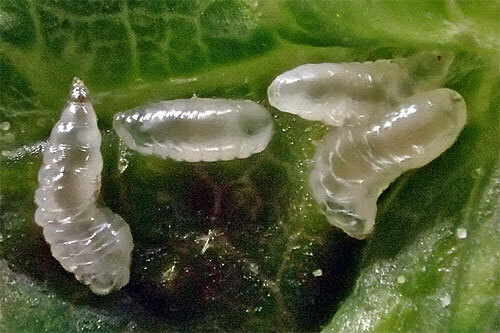
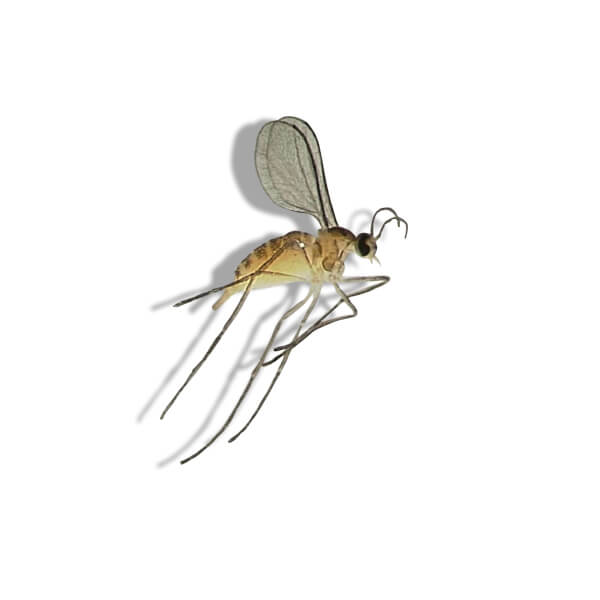
Dasineura oxycoccana, commonly known as the mosquito or gall fly, is an insect of the family Cídomyiidae. This pathogen mainly affects raspberry plants. Adults emerge in spring and are small flies approximately 2-3 mm in length, with dark bodies and transparent wings. After emergence, adults mate and females lay their eggs in young plant tissues, such as shoots and buds. The eggs hatch within a few days and the larvae emerge, feeding on plant tissue and causing galls to form. The larvae spend several weeks inside the galls, where they develop through several larval stages. Once mature, the larvae leave the gills and fall to the ground, where they pupate. Pupation occurs in the soil and, depending on environmental conditions, adults can emerge after a few weeks, completing several generations a year. During the winter, the pupae remain in the soil in a state of diapause, waiting for favorable conditions the following spring.

SYMPTOMS
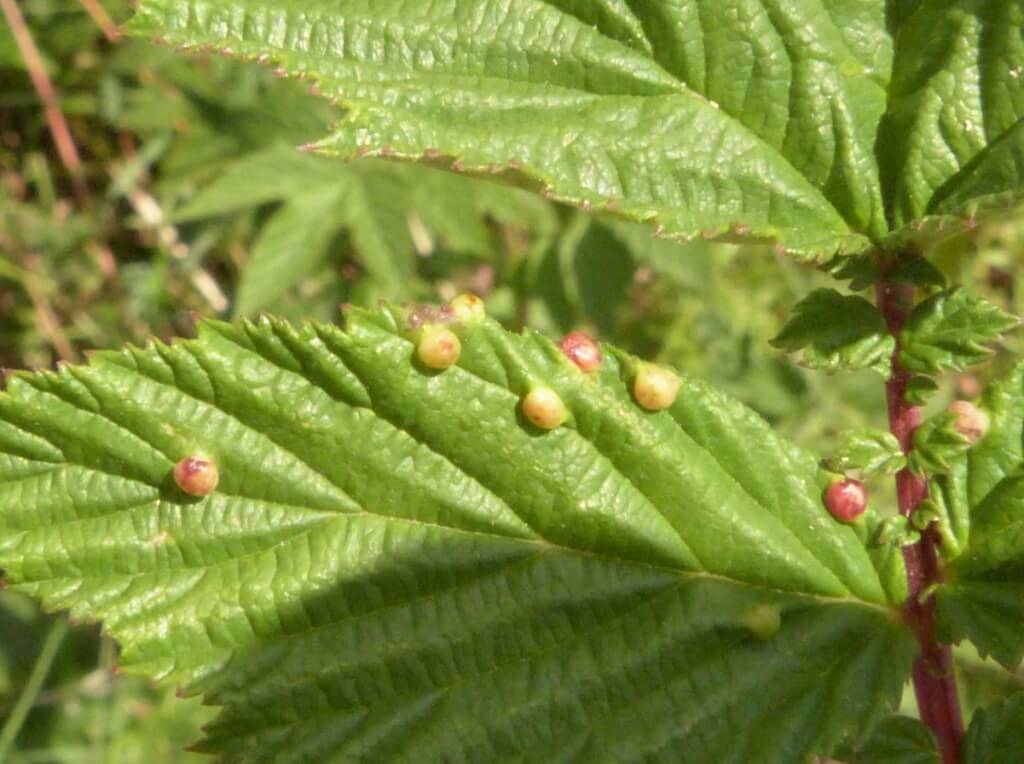
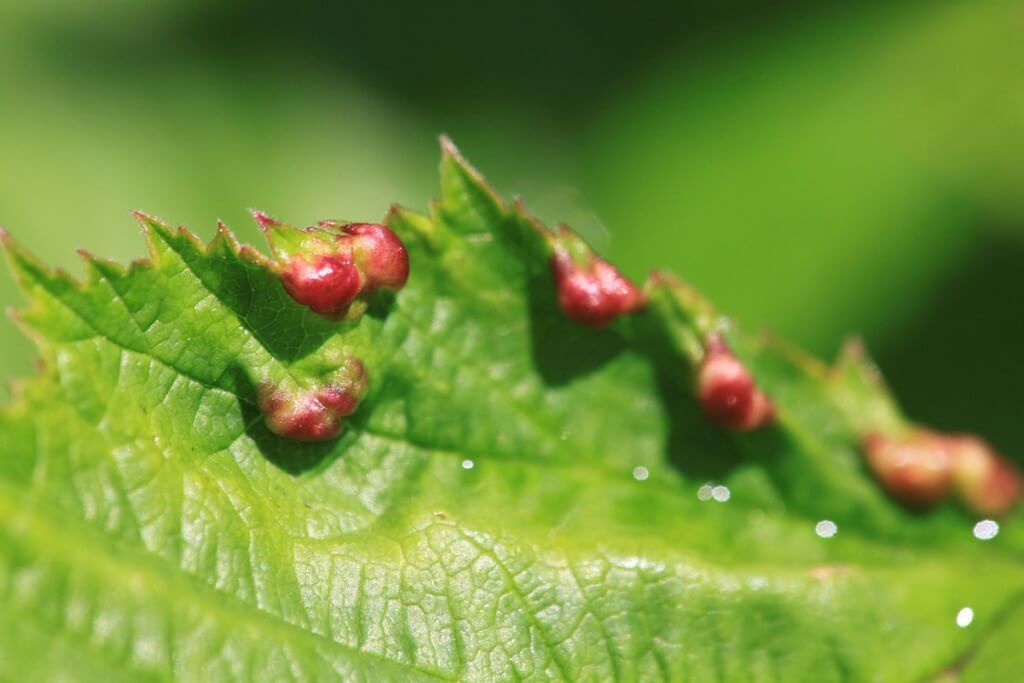
The raspberry gall fly produces a disease in raspberry plants that is characterized by the formation of galls on young tissues. These galls interfere with normal plant growth and can cause reduced fruit production. The affected tissues show deformations and changes in color, which weakens the affected parts and makes them more susceptible to other secondary infections.
- Formation of galls on shoots and buds.
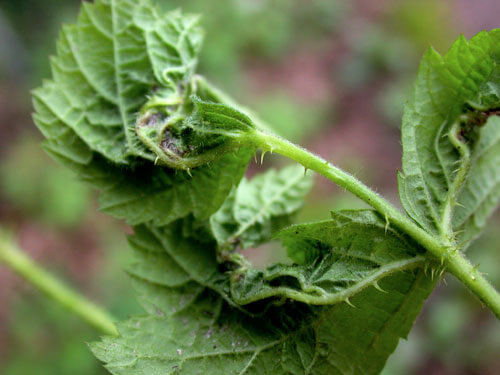
- Deformation of young shoots.
- Discoloration of affected tissues.
- Delay in plant growth.
- Reduction in fruit production.
- Greater susceptibility to other diseases and secondary infections.
- Loss of vigor in affected plants.


TEMPERATURE AND HUMIDITY
18°C - 25°C
60% - 80%

TRANSMISSION PATHS
Wind, direct contact with infected plants, contaminated agricultural tools, contaminated soil, infected propagation material
Do you want to remove this disease? Choose how you want to treat it.

TREATMENTS
Chemical treatment
• AZADIRACTIN 1% (AS AZADIRACTIN A) [EC] P/V
• Azadirachtin 2.6% (AS AZADIRACTIN A) [EC] P/V
• LAMBDA CYHALOTHRIN 10% [CS] P/V
Authorized treatments in organic farming
• AZADIRACTIN 1% (AS AZADIRACTIN A) [EC] P/V
• Azadirachtin 2.6% (AS AZADIRACTIN A) [EC] P/V
• LAMBDA CYHALOTHRIN 10% [CS] P/V
Biological control
-
Recommendations
- Regularly monitor plantations to detect the presence of adults and larvae in early stages.
- Use yellow sticky traps to capture adults and estimate the population present.
- Apply treatments with specific insecticides during the emergence period of adults to reduce the initial population.
- Remove and destroy affected shoots and buds to reduce sources of inoculum.
- Implement an adequate crop rotation to avoid the accumulation of the pest in the soil.
- Maintain good hygiene in the field, eliminating plant remains and weeds that could serve as a refuge for larvae.
- Improve soil drainage to avoid the accumulation of moisture, which favors the development of larvae.
- Promote the presence of natural enemies of Dasineura oxycoccana, such as parasitoids and predators, through integrated pest management practices.
- Use plastic covers or mesh to protect young plants from oviposition by females.
- Perform soil analysis and adjust fertilization practices to maintain optimal nutritional balance and strengthen plant resistance.





*The recommended treatments are still recommendations according to the databases of the authorities and at no time do they replace the guidelines established according to the legislation of each country
*The products shown are recommendations and are not our own products. As Amazon Associates, we earn revenue from purchases of recommended products.

TREATMENTS
Homemade treatments
There are no home treatments
Natural allies
Chemical treatments
There are no treatments for this disease. Treatments are directed at the insect vectors that transmit it. See insect treatments.

RECOMMENDATIONS

REPELLENT PLANTS
RECOMMENDED PRODUCTS TO ELIMINATE THIS PEST
*The recommended treatments are still recommendations according to the databases of the authorities and at no time do they replace the guidelines established according to the legislation of each country
*The products shown are recommendations and are not our own products. As Amazon Associates, we earn revenue from purchases of recommended products.



Explore more tools
Services
Contact
Legal
©2023 by ZeriMar Laboratoire. All rights reserved.