


Symptoms, treatments, and recommendations for treating blossom end rot
Apical Rot
Fusarium Spp., Pythium Spp.
Pathogen:
Type:
Fungus
Risk:
HIGH
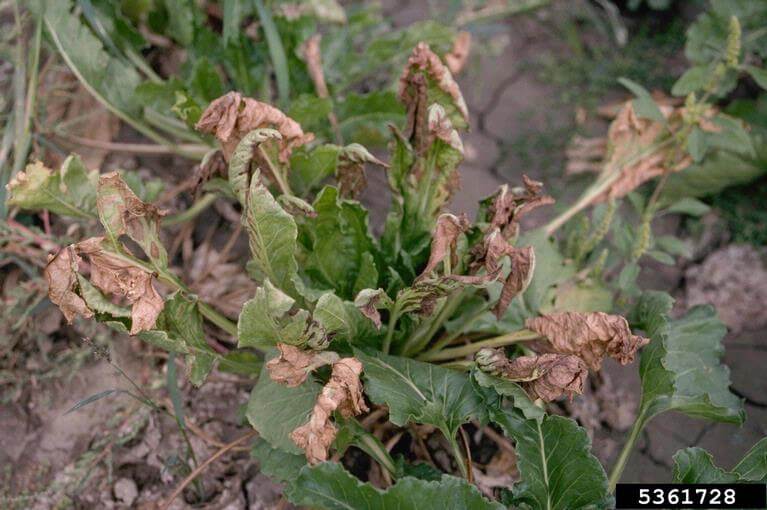
Remolacha de mesa
Fusariosis
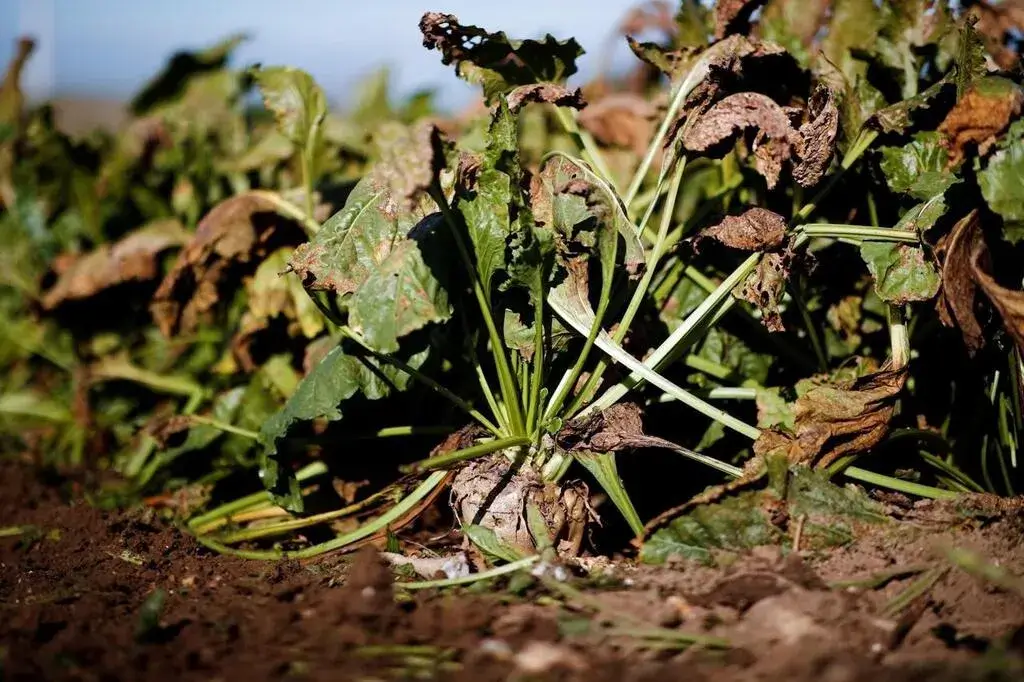

WHO CAUSES IT?
The pathogens Fusarium spp. and Pythium spp. They are soil fungi that affect table beets, causing the disease known as blossom end rot. Fusarium spp. It is characterized by the production of asexual spores called conidia, which spread through soil and water. These spores germinate in the presence of susceptible roots, infecting them and causing tissue necrosis. Fusarium can survive in soil for long periods by forming resistant structures called chlamydospores. On the other hand, Pythium spp. It produces motile zoospores that swim in soil water and penetrate young roots, causing rot. Pythium can also survive in soil as oospores, which are resistance structures capable of persisting during adverse conditions. Both fungal species thrive in conditions of high humidity and moderate to warm temperatures, finding a favorable environment in poorly drained or over-irrigated beet fields.

SYMPTOMS
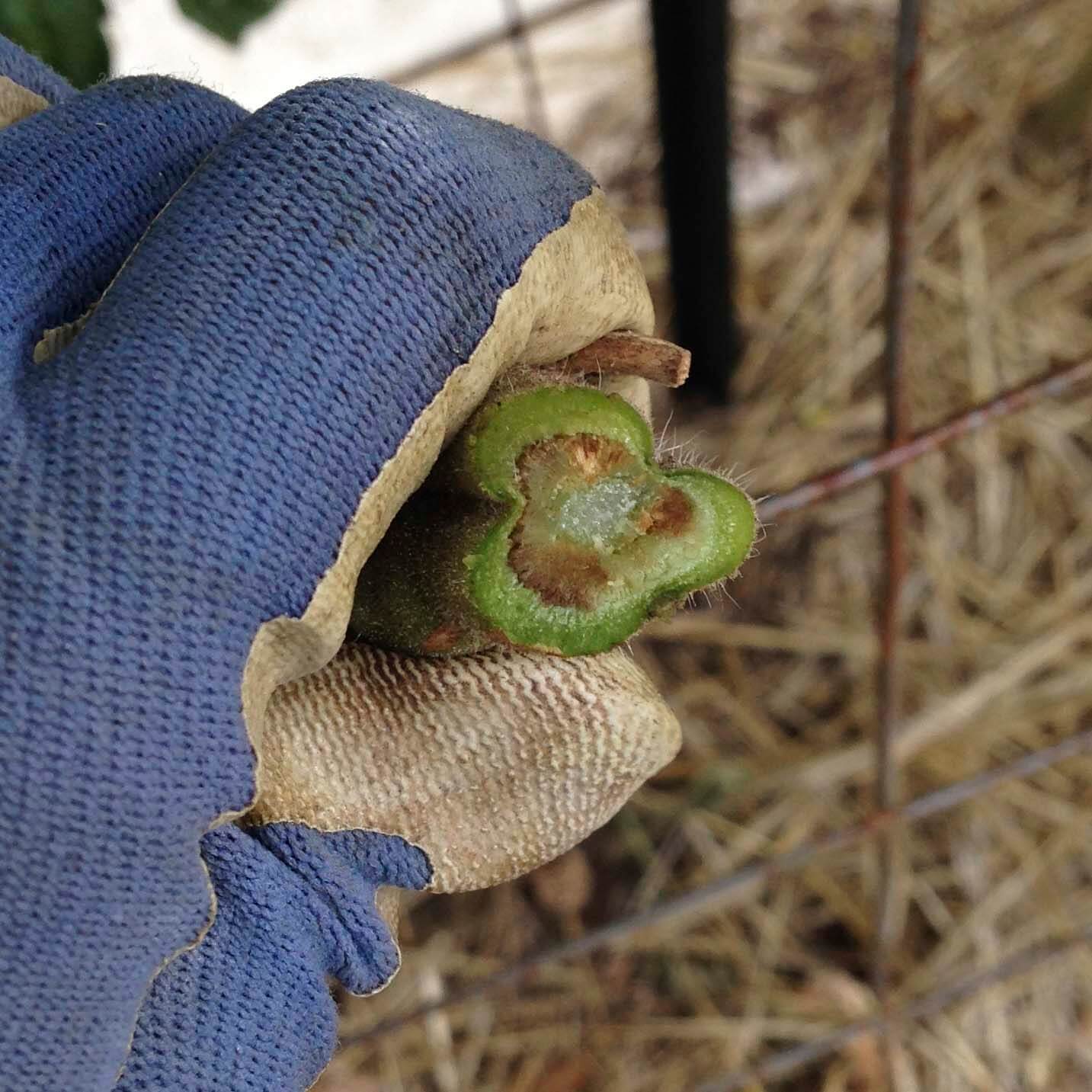
In table beet, blossom-end rot caused by Fusarium spp. and Pythium spp. It initially manifests itself as discoloration and wilting of the youngest leaves, followed by general wilting of the plant. This disease causes a collapse of the tissues in the upper part of the root, seriously affecting the development and yield of the crop. As the disease progresses, the roots become soft and watery, showing internal darkening that extends outward.
- Wilting of young leaves.
- Discoloration of the leaves.
- Collapse of the tissues in the upper part of the root.
- Soft and watery roots.
- Internal darkening of the roots.
- Reduction in crop growth and yield.
- Appearance of necrotic areas on the roots.
- Premature death of the plant.


TEMPERATURE AND HUMIDITY
20°C - 30°C
75% - 90%

TRANSMISSION PATHS
Irrigation water, Contaminated soil, Agricultural tools, Infected plant material, Wind, Infected seeds
Do you want to remove this disease? Choose how you want to treat it.

TREATMENTS
Chemical treatment
• AZOXISTROBIN 25% [SC] P/V
• POTASSIUM HYDROGEN CARBONATE 85% [SG] P/P
Authorized treatments in organic farming
• POTASSIUM HYDROGEN CARBONATE 85% [SG] P/P
Biological control
• BACILLUS AMYLOLIQUEFACIENS subsp. plantarum (strain D747) 5% [SC] P/V
• TRICHODERMA ASPERELLUM (STRAIN T25) (1X10E8 CFU/G) 0.5% + TRICHODERMA ATROVIRIDE (STRAIN T11) (1X10E8 CFU/G) 0.5% [WG] P/P
• TRICHODERMA ASPERELLUM (STRAIN T34) 12% (1.0 x 10E12 cfu/kg) [WP] P/P
• TRICHODERMA ATROVIRIDE (STRAIN I-1237) (1x10E8 cfu/g) 5% [WP] P/P
Recommendations
- Practice proper crop rotation, avoiding planting beets in soil previously infected with Fusarium or Pythium.
- Improve soil drainage to prevent waterlogging, which favors the proliferation of these pathogens.
- Use certified and disease-free seeds.
- Implement adequate irrigation management, avoiding excess water and ensuring uniform distribution.
- Apply preventive fungicide treatments according to specific recommendations for Fusarium and Pythium.
- Regularly monitor crops to detect symptoms early and take immediate corrective measures.
- Maintain good agricultural hygiene practice, disinfecting tools and machinery after using them in infected areas.
- Incorporate well-decomposed organic matter to improve soil structure and reduce pathogen pressure.





*The recommended treatments are still recommendations according to the databases of the authorities and at no time do they replace the guidelines established according to the legislation of each country
*The products shown are recommendations and are not our own products. As Amazon Associates, we earn revenue from purchases of recommended products.

TREATMENTS
Homemade treatments
There are no home treatments
Natural allies
Chemical treatments
There are no treatments for this disease. Treatments are directed at the insect vectors that transmit it. See insect treatments.

RECOMMENDATIONS

REPELLENT PLANTS
RECOMMENDED PRODUCTS TO ELIMINATE THIS PEST
*The recommended treatments are still recommendations according to the databases of the authorities and at no time do they replace the guidelines established according to the legislation of each country
*The products shown are recommendations and are not our own products. As Amazon Associates, we earn revenue from purchases of recommended products.



Explore more tools
Services
Contact
Legal
©2023 by ZeriMar Laboratoire. All rights reserved.