


Symptoms, treatments, and recommendations for treating gray mold
Gray Rot
Botrytis Cinerea
Pathogen:
Type:
Fungus
Risk:
HIGH
Tomate
Podredumbre gris

WHO CAUSES IT?
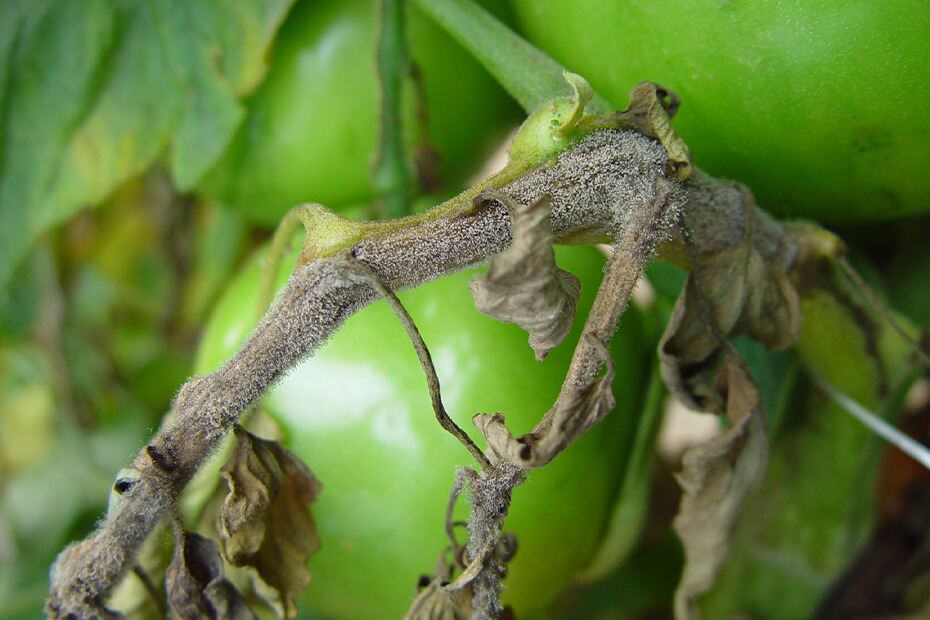
Botrytis cinerea is a phytopathogenic fungus widely known to cause gray rot in various plants, including tomatoes. This fungus produces asexual spores called conidia, which are released and dispersed primarily through wind and water. These spores germinate in conditions of high humidity and moderate temperatures, penetrating plant tissues through wounds or directly through healthy plant surfaces. Botrytis cinerea is characterized by its ability to survive in plant remains and other decomposing organic materials, where it forms resistance structures called sclerotia. These structures allow the fungus to persist in the environment during unfavorable periods, resuming its infectious activity when conditions become suitable. The fungus can infect both in a latent and active state, further complicating its management and control.

SYMPTOMS
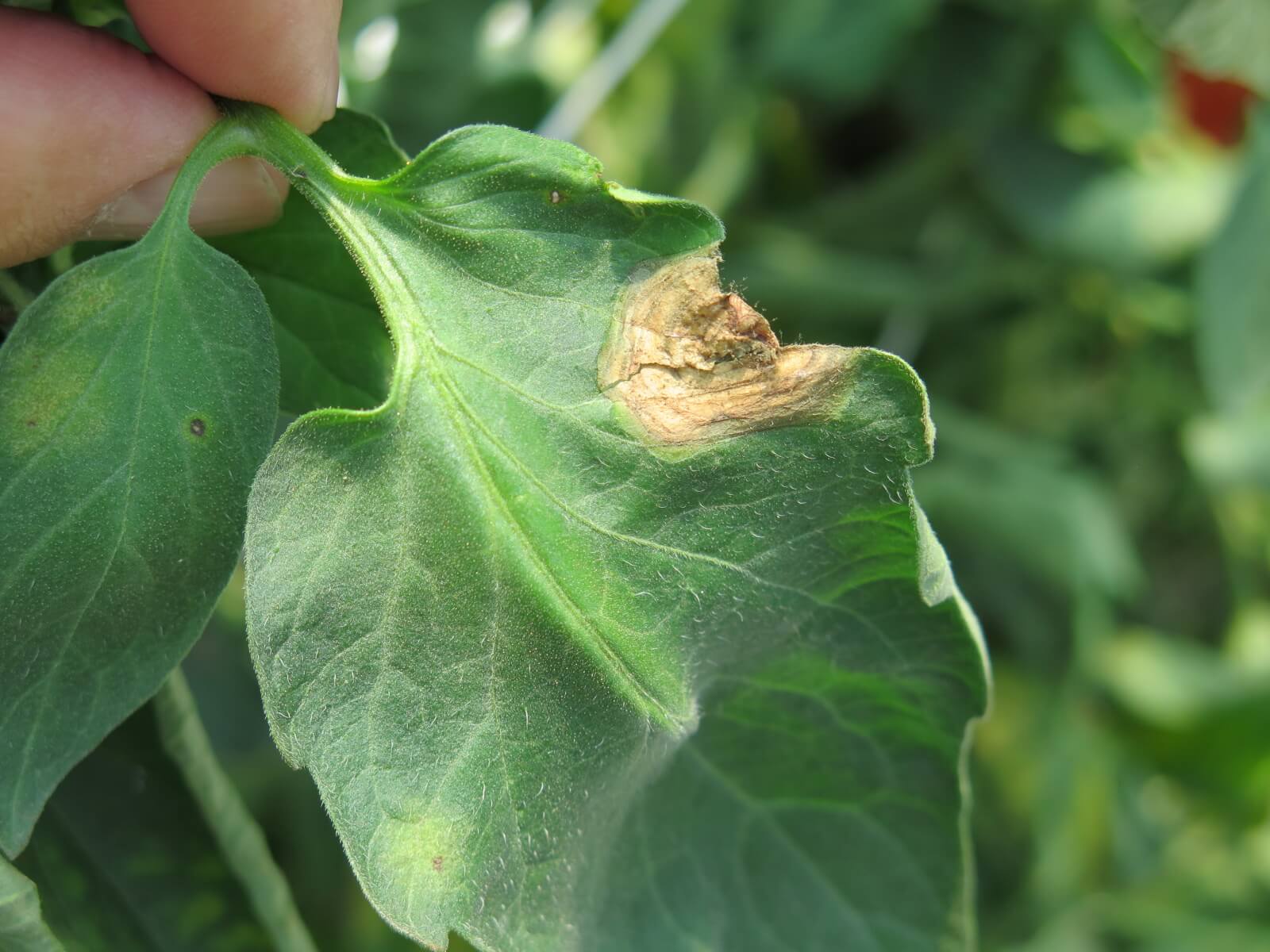
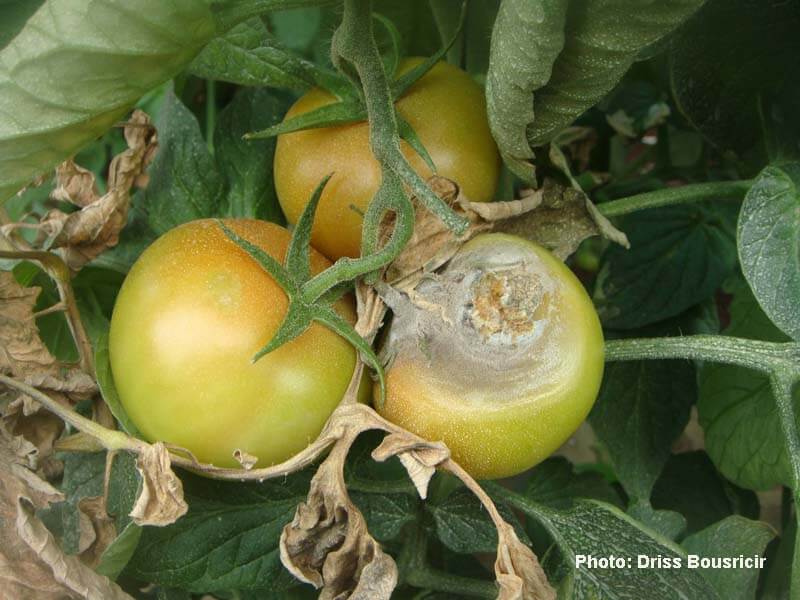
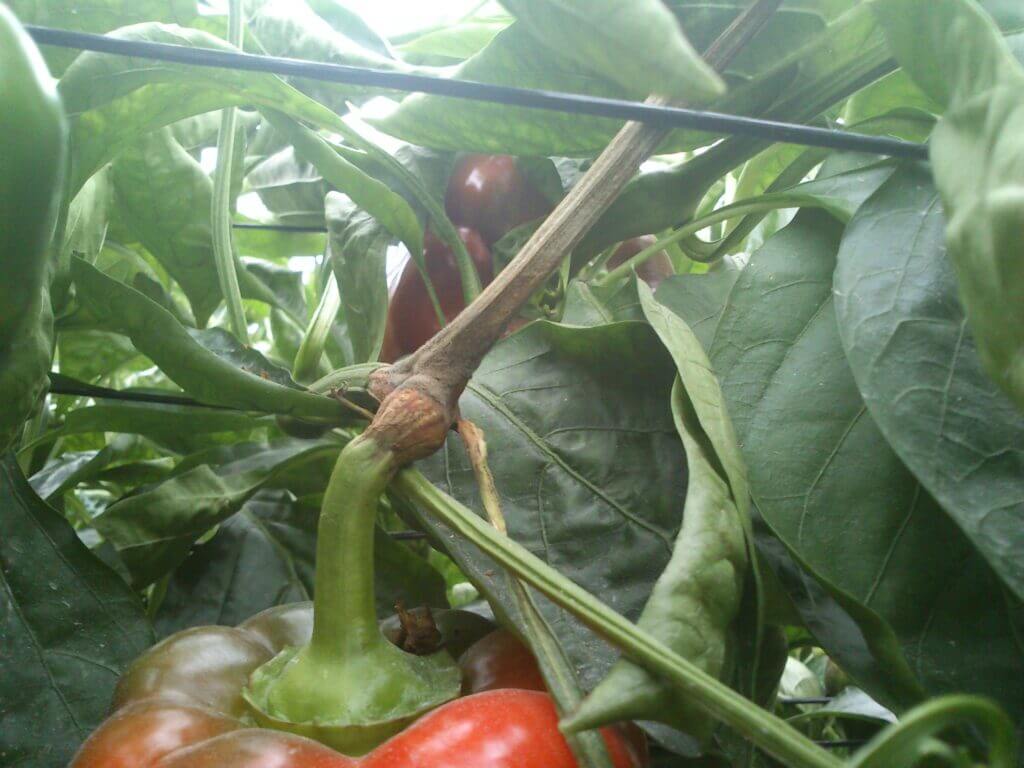
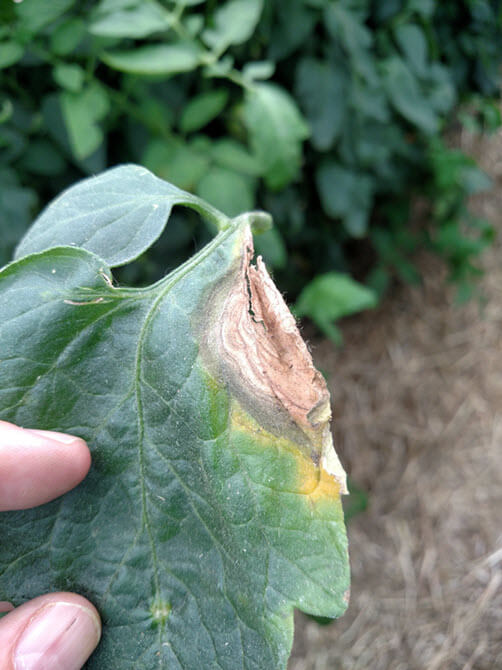
Gray rot caused by Botrytis cinerea in tomato affects various parts of the plant, including leaves, stems, flowers and fruits. This disease is characterized by the appearance of watery Taches that quickly turn brown and are covered with dense gray sporulation. The infection significantly reduces the quality and quantity of production, causing significant economic losses.
- Watery Taches that turn brown
- Gray mold on the surface of affected areas
- Lesions on leaves and stems
- Rot of flowers and fruits
- Premature fall of flowers and fruits
- General weakening of the plant
- Reduction of plant growth and development


TEMPERATURE AND HUMIDITY
15-25°C
90-100%

TRANSMISSION PATHS
Wind, contaminated irrigation water, contaminated agricultural tools, direct contact with infected plants, infected crop residues, infested soil
Do you want to remove this disease? Choose how you want to treat it.

TREATMENTS
Chemical treatment
• AZOXISTROBIN 25% [SC] P/V
• CAPTAN 47.5% [SC] P/V
• CAPTAIN 80% [WG] P/P
• CIPRODINIL 37.5% + FLUDIOXONIL 25% [WG] P/P
• DIFENOCONAZOLE 25% [EC] P/V
• EUGENOL 3.3% + GERANIOL 6.6% + THYMOL 6.6% [CS] P/V
• TEA TREE EXTRACT (MELALEUCA ALTERNIFOLIA) 22.25% [EC] P/V
• PHENHEXAMIDE 50% [SC] P/V
• PHENHEXAMIDE 50% [WG] P/P
• PHENPIRAZAMINE 50% [WG] P/P
• FLUDIOXONIL 50% [WG] P/P
• FOLPET 50% [SC] P/V
• FOLPET 50% [WP] P/P
• FOLPET 80% [WG] P/P
• POTASSIUM HYDROGEN CARBONATE 0.425% [AL] P/V
• POTASSIUM HYDROGEN CARBONATE 85% [SP] P/P
• IMAZALIL 2% [AE] P/P
• LAMINARIN 4.5% [SL] P/S
• MEPANIPIRIM 50% [WP] P/P
• COPPER OXYCHLORIDE 35% (exp. in Cu) [WG] P/P
• COPPER OXYCHLORIDE 35% (EXPR. IN CU) [WG] P/P
• PENTIOPYRAD 20% [SC] P/V
• PIRACLOSTROBIN 6.7% + BOSCALIDE 26.7% ( ) [WG] P/P
• PIRACLOSTROBIN 6.7% + BOSCALIDE 26.7% (I) [WG] P/P
• PIRACLOSTROBIN 6.7% + BOSCALIDE 26.7% [WG] P/P
• PYRIMETANIL 40% [SC] P/V
• TEBUCONAZOLE 20% [EW] P/V
• TEBUCONAZOLE 25% [EC] P/V
• TEBUCONAZOLE 25% [EW] P/V
• TEBUCONAZOLE 25% [WG] P/P
Authorized treatments in organic farming
• EUGENOL 3.3% + GERANIOL 6.6% + THYMOL 6.6% [CS] P/V
• TEA TREE EXTRACT (MELALEUCA ALTERNIFOLIA) 22.25% [EC] P/V
• POTASSIUM HYDROGEN CARBONATE 0.425% [AL] P/V
• POTASSIUM HYDROGEN CARBONATE 85% [SP] P/P
• LAMINARIN 4.5% [SL] P/S
• COPPER OXYCHLORIDE 35% (exp. in Cu) [WG] P/P
• COPPER OXYCHLORIDE 35% (EXPR. IN CU) [WG] P/P
Biological control
• AUREOBASIDIUM PULLULANS (STRAIN DSM 14940) 25% (2.5
• AUREOBASIDIUM PULLULANS (STRAIN DSM 14940) 50% (2.5
• BACILLUS AMYLOLIQUEFACIENS (strain AH2) (1x10E11 CFU/l) [SC] P/V
• BACILLUS AMYLOLIQUEFACIENS (strain FZB24) 13% [WP] P/P
• BACILLUS AMYLOLIQUEFACIENS (MBI 600 strain) 11% [WP] P/P
• BACILLUS AMYLOLIQUEFACIENS (subsp. plantarum, strain D747) 25% [WG] P/P
• BACILLUS AMYLOLIQUEFACIENS subsp. plantarum (strain D747) 5% [SC] P/V
• BACILLUS SUBTILIS (strain IAB/BS03) (1 x 10E8 cfu/ml) 10 g/l [SL] P/V
• BACILLUS SUBTILIS (STRAIN QST 713) 1.34% [SC] P/V
• CLONOSTACHYS ROSEA CEPA J1446 (GLIOCLADIUM CATENULATUM (CEPA J1446)) (1 x 10E 9 cfu/g) 900 g/kg [WG] P/P
• GLIOCLADIUM CATENULATUM (STRAIN J1446) 32% (2 X 10E8 CFU/G) [WP] P/P
• SACCHAROMYCES CEREVISIAE (strain LAS02) 96.1% (1 x 10E13 cfu/Kg) [WG] P/P
• Trichoderma atroviride strain SC1 1(1 x 10E10 cfu)/g [WG] P/P
Recommendations
- Implement adequate ventilation and spacing between plants to reduce relative humidity.
- Eliminate plant remains and crop residues to minimize sources of inoculum.
- Apply preventive treatments with specific fungicides for Botrytis.
- Use tomato varieties resistant to gray rot.
- Avoid sprinkler irrigation and opt for drip irrigation systems to reduce foliar humidity.
- Regularly monitor the crop to detect the first symptoms and apply timely control measures.
- Carry out sanitary pruning to eliminate infected parts and improve air circulation.
- Implement crop rotations and avoid continuously planting tomatoes in the same place.
- Use physical barriers, such as mesh, to protect the crop from the spread of spores.
- Ensure good soil drainage to avoid waterlogging.





*The recommended treatments are still recommendations according to the databases of the authorities and at no time do they replace the guidelines established according to the legislation of each country
*The products shown are recommendations and are not our own products. As Amazon Associates, we earn revenue from purchases of recommended products.

TREATMENTS
Homemade treatments
There are no home treatments
Natural allies
Chemical treatments
There are no treatments for this disease. Treatments are directed at the insect vectors that transmit it. See insect treatments.

RECOMMENDATIONS

REPELLENT PLANTS
RECOMMENDED PRODUCTS TO ELIMINATE THIS PEST
*The recommended treatments are still recommendations according to the databases of the authorities and at no time do they replace the guidelines established according to the legislation of each country
*The products shown are recommendations and are not our own products. As Amazon Associates, we earn revenue from purchases of recommended products.



Explore more tools
Services
Contact
Legal
©2023 by ZeriMar Laboratoire. All rights reserved.