


Symptoms, treatments and recommendations for treating moths
Moth
Scrobipalpa Ocellatella
Pathogen:
Type:
Insect
Risk:
HIGH
Remolacha de mesa
Polillas

WHO CAUSES IT?
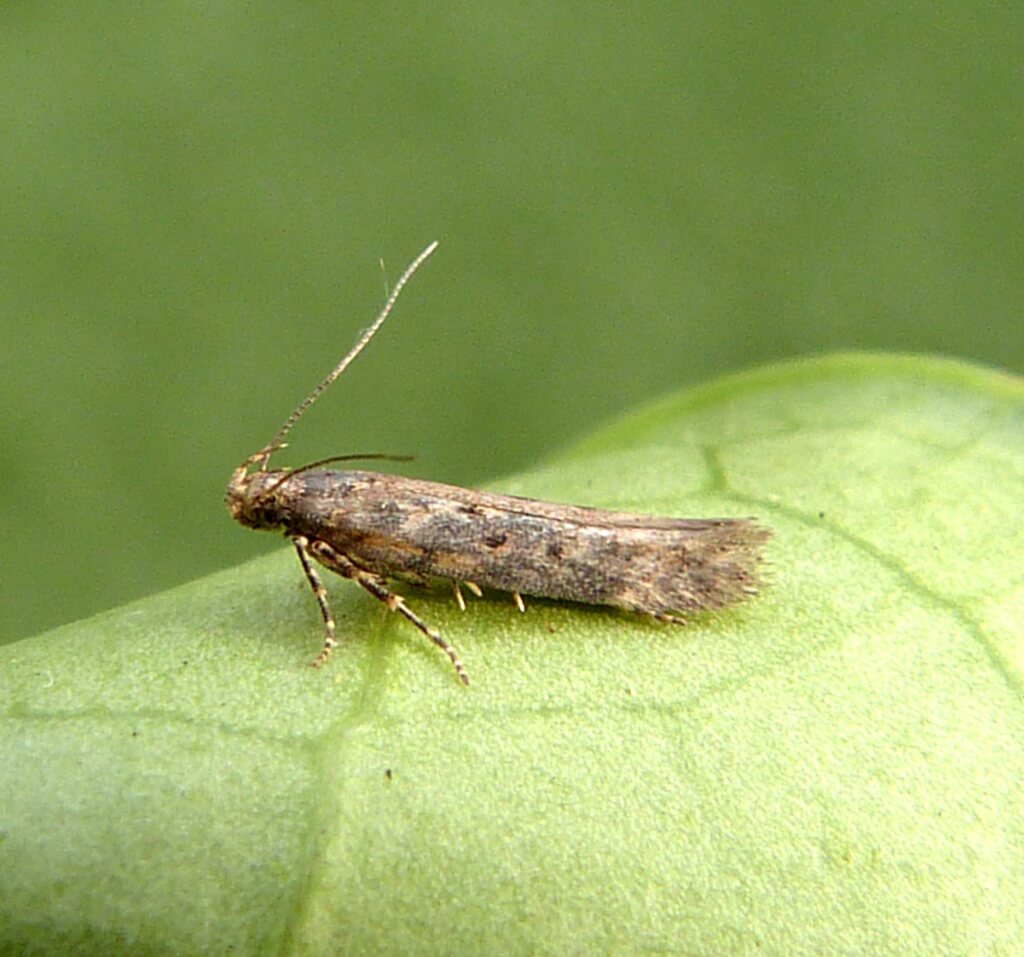
Scrobipalpa ocellatella, known as the beet moth, is a lepidopteran of the Gelechiidae family. Adults are small, grayish-brown moths with a wingspan of 10-15 mm and have dark spot patterns on their wings. Females lay their eggs on beet leaves, preferably in young, tender areas. Upon hatching, the yellowish-white larvae with dark heads begin to feed on leaf tissue, undermining the leaves and causing significant damage. The larvae go through several larval stages, increasing in size and changing color to green before pupating. Pupation occurs on the leaf or in the soil near the host plant. The entire cycle, from egg to adult, can be completed in about a month, and the moth can have multiple generations per year, especially in warm climates.

SYMPTOMS
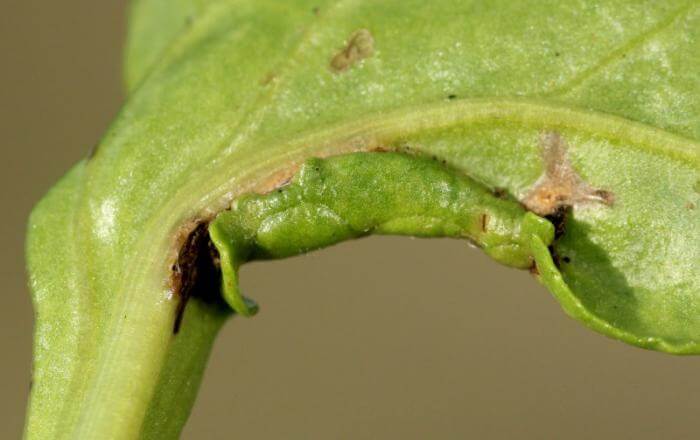
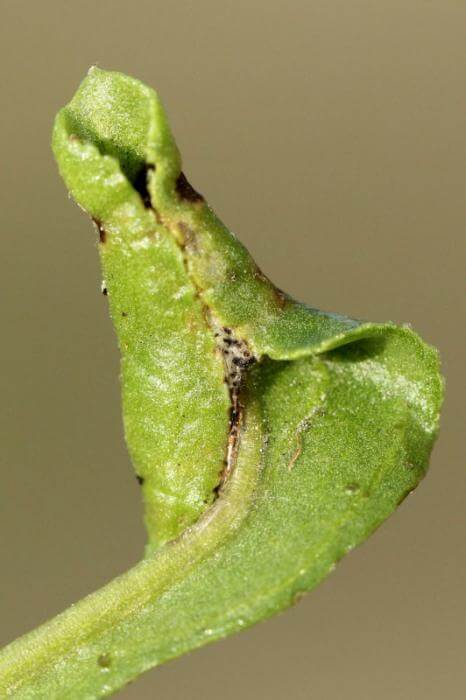
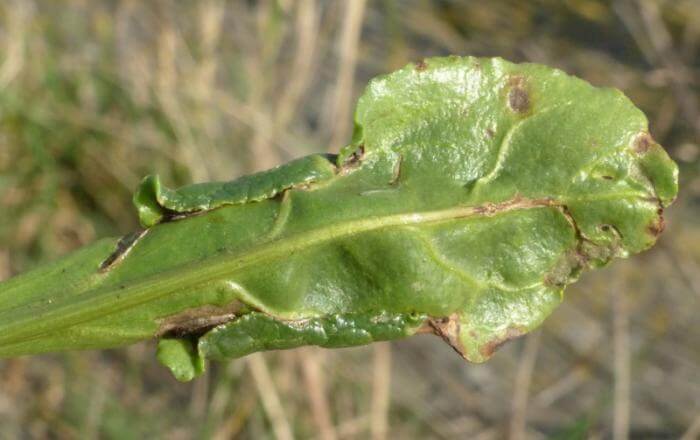
The disease caused by Scrobipalpa ocellatella in beet manifests mainly on the leaves, where the larvae cause significant damage by feeding on leaf tissue. This results in a decrease in the photosynthetic capacity of the plant and affects its growth and yield.
- Mines and tunnels in the leaves
- Dried and rolled leaves
- Brown or necrotic Taches
- Delay in plant growth
- General loss of vigor
- Reduction in root size and quality
- Severe defoliation in cases of high infestations


TEMPERATURE AND HUMIDITY
20°C - 30°C
50% - 70%

TRANSMISSION PATHS
Wind, Soil movements, Contaminated agricultural machinery, Infested plants
Do you want to remove this disease? Choose how you want to treat it.

TREATMENTS
Chemical treatment
• Azadirachtin 2.6% (AS AZADIRACTIN A) [EC] P/V
Authorized treatments in organic farming
• Azadirachtin 2.6% (AS AZADIRACTIN A) [EC] P/V
Biological control
• BACILLUS THURINGIENSIS AIZAWAI 50% [WG] P/P
• BACILLUS THURINGIENSIS KURSTAKI (STRAIN PB 54) (16x10E6 I.U./G) 8% [WP] P/P
• BACILLUS THURINGIENSIS KURSTAKI (STRAIN PB 54) (16x10E6 IU/G) 9.74% [SC] P/V
• BACILLUS THURINGIENSIS KURSTAKI (STRAIN PB 54) 32% (32 MILLION IU/G) [WP] P/P
• BACILLUS THURINGIENSIS KURSTAKI (EG 2348) (24x106 I.U./G) 18.3% [SC] P/V
• BACILLUS THURINGIENSIS KURSTAKI (EG 2348) 37.5% [WP] P/P
Recommendations
- Regularly monitor crops to detect the presence of adults and larvae.
- Use pheromone traps to capture and monitor the adult moth population.
- Implement crop rotations to interrupt the life cycle of the moth.
- Maintain good field hygiene by eliminating residue from previous crops and weeds.
- Apply insecticide treatments in a timely manner, following integrated pest management recommendations.
- Promote the presence of natural enemies such as parasitoid wasps and predators.
- Use ground covers and netting to protect young plants.
- Avoid excessive irrigation to reduce soil moisture, which can reduce the survival of pupae.
- Implement tillage practices that expose and destroy pupae in the soil.
- Evaluate and use beet cultivars that present resistance to Scrobipalpa ocellatella, if available.





*The recommended treatments are still recommendations according to the databases of the authorities and at no time do they replace the guidelines established according to the legislation of each country
*The products shown are recommendations and are not our own products. As Amazon Associates, we earn revenue from purchases of recommended products.

TREATMENTS
Homemade treatments
There are no home treatments
Natural allies
Chemical treatments
There are no treatments for this disease. Treatments are directed at the insect vectors that transmit it. See insect treatments.

RECOMMENDATIONS

REPELLENT PLANTS
RECOMMENDED PRODUCTS TO ELIMINATE THIS PEST
*The recommended treatments are still recommendations according to the databases of the authorities and at no time do they replace the guidelines established according to the legislation of each country
*The products shown are recommendations and are not our own products. As Amazon Associates, we earn revenue from purchases of recommended products.



Explore more tools
Services
Contact
Legal
©2023 by ZeriMar Laboratoire. All rights reserved.