


Symptoms, treatments and recommendations for dealing with aphids
Aphids
Aphis Spiraecola, Aphis Gossypii, Aphis Pomi, Dysaphis Plantaginea, Dysaphis Pyri
Pathogen:
Type:
Insect
Risk:
HIGH
Frutales de pepita
Pulgones

WHO CAUSES IT?
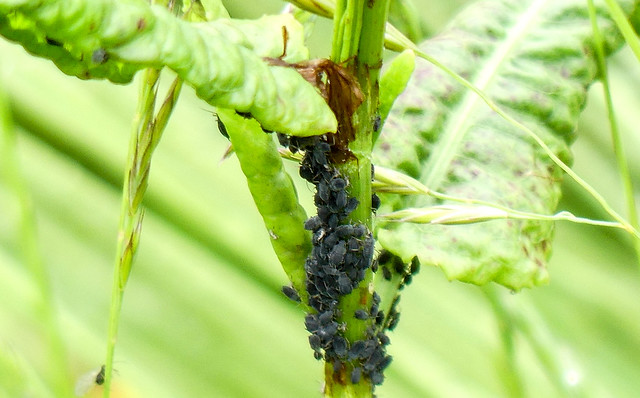
Aphids, including Aphis spiraecola, Aphis gossypii, Aphis pomi, Dysaphis plantaginea and Dysaphis pyri, are small insects that reproduce quickly on pome fruit trees. Aphids overwinter as eggs on the bark of trees or fallen leaves. In spring, the eggs hatch and the nymphs emerge, quickly developing into adults. These insects are parthenogenetic, meaning that females can reproduce without the need for males, producing live offspring instead of eggs, which accelerates their expansion. During the summer, successive generations may include both winged individuals and wingless aphids, the former of which may disperse to new host plants. In late summer and fall, aphids produce sexual males and females that mate and lay eggs for the winter, thus completing their annual development.

SYMPTOMS
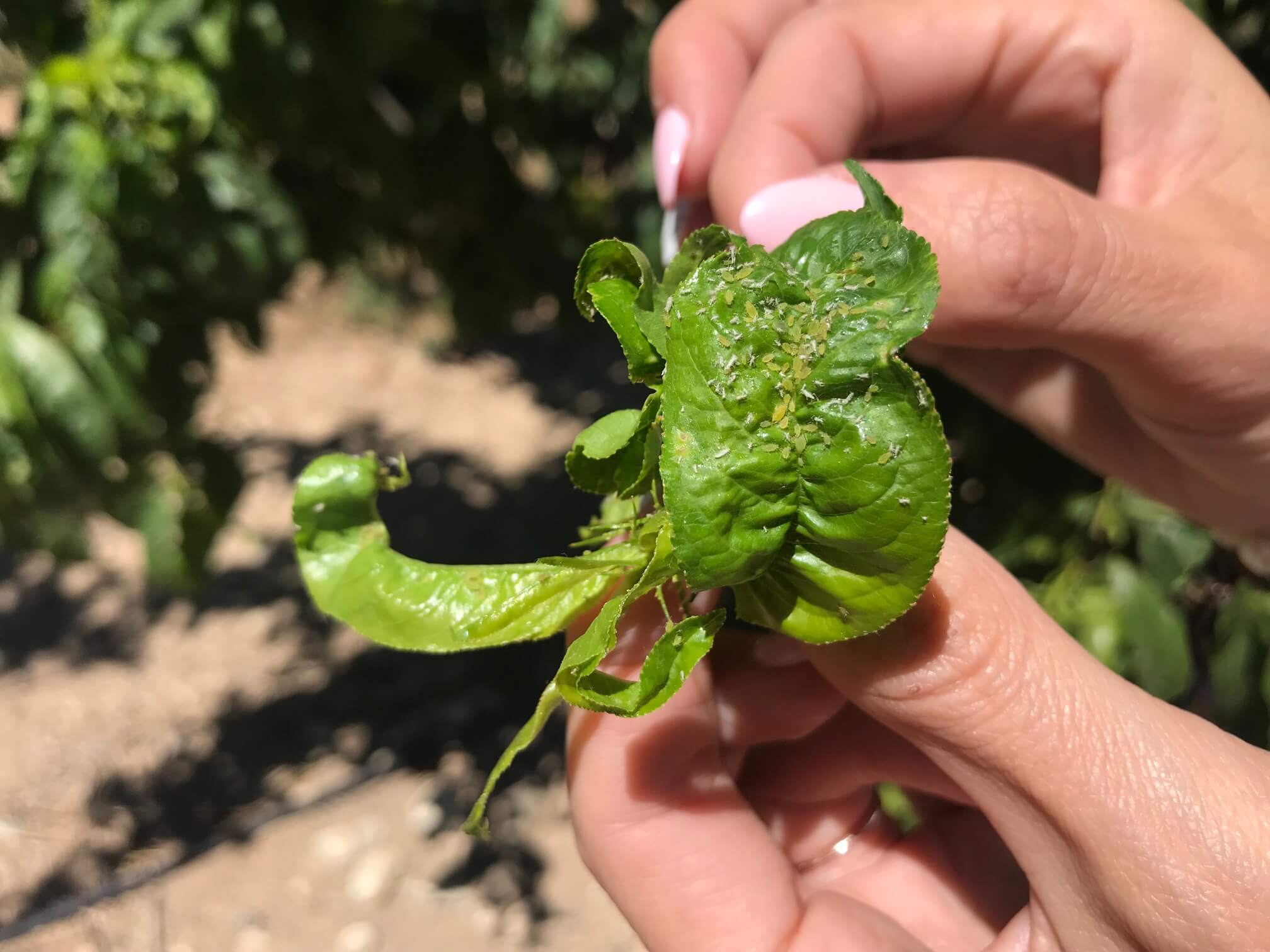
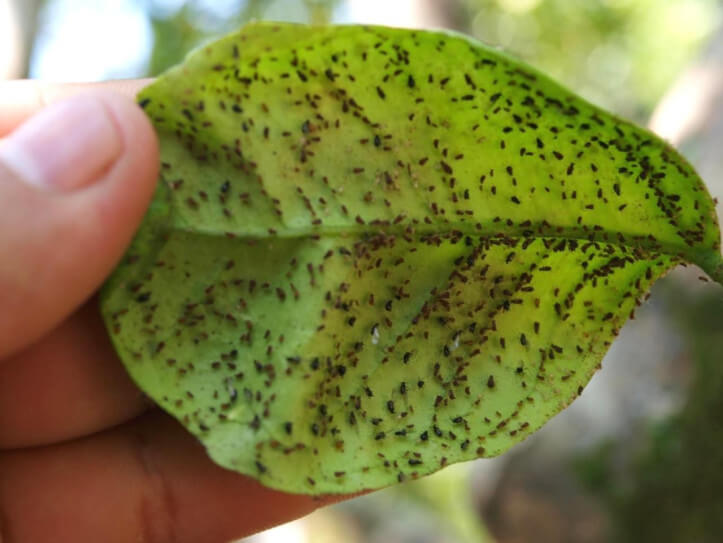
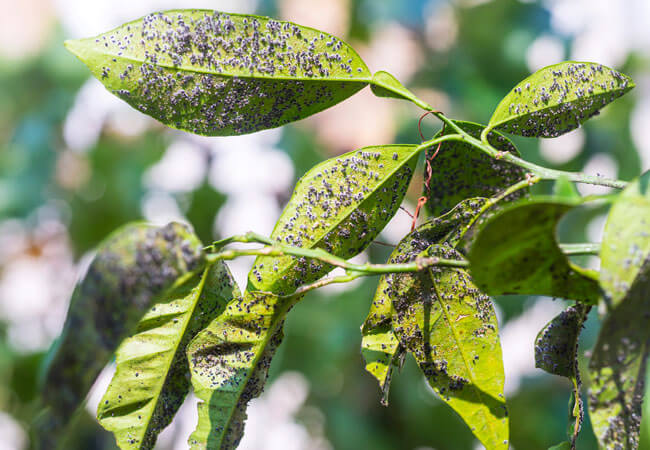
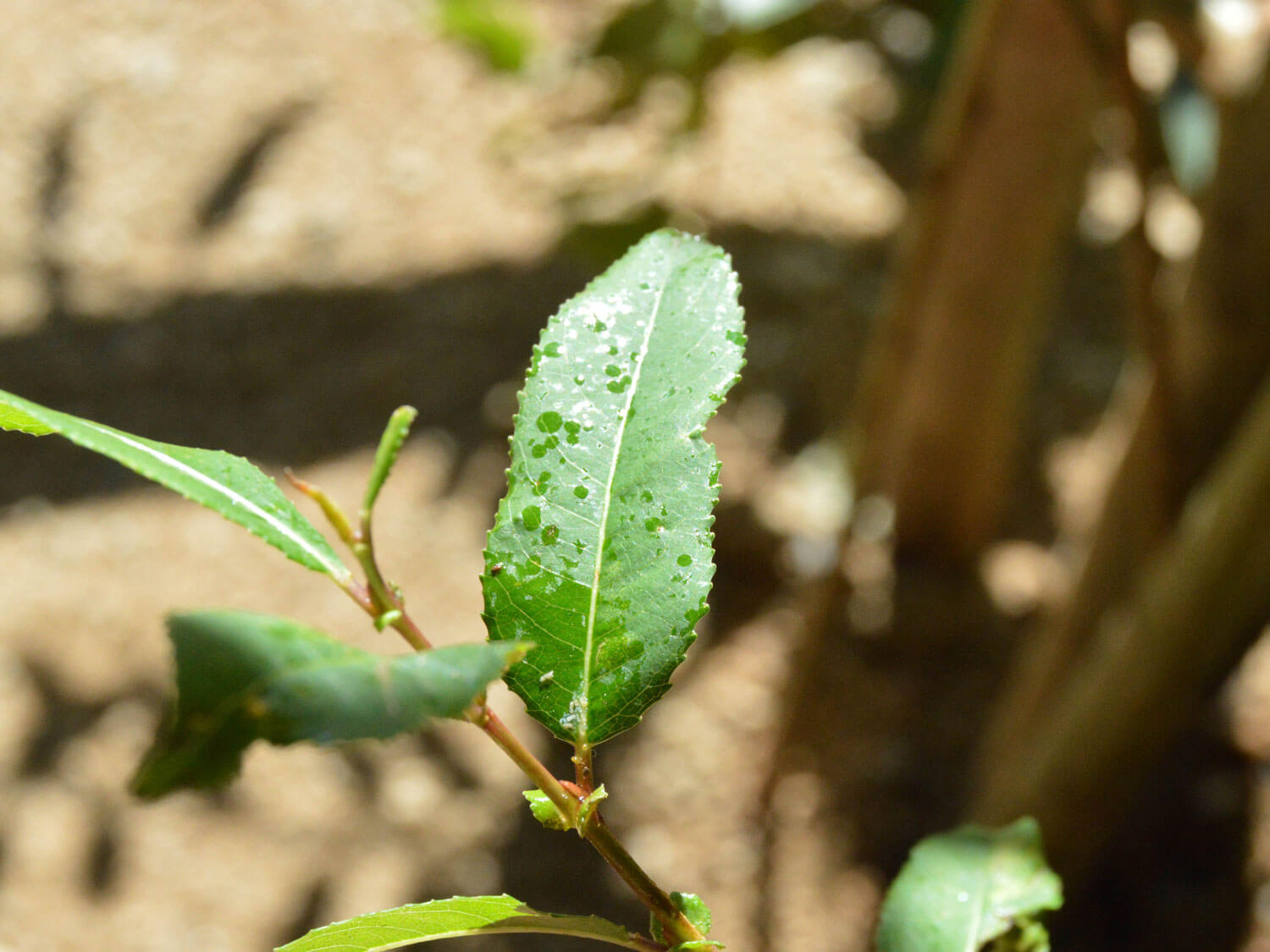
In pome fruit trees, aphids cause a disease known as "aphids", which seriously affects the vitality and production of the plants. These insects feed on the sap of plants, weakening them and causing a series of symptoms that can reduce the quality and quantity of the harvest. The secretion of honeydew by aphids encourages the development of black sooty mold fungi, further complicating the health status of the trees.
- Curling and deformation of the leaves.
- Yellowing and premature leaf fall.
- Delay in the growth of shoots and fruits.
- Presence of a sticky substance (molasses) on leaves and fruits.
- Development of sooty mold fungi on molasses.
- General weakening of trees.
- Reduction in the production and quality of the fruits.


TEMPERATURE AND HUMIDITY
15°C - 25°C
65% - 80%

TRANSMISSION PATHS
Wind, Direct contact between plants, Contaminated tools, Movements of infested plants
Do you want to remove this disease? Choose how you want to treat it.

TREATMENTS
Chemical treatment
• RAPE OIL 1.53% [AL] P/V
• PARAFFIN OIL (CAS [64742-46-7]) 79% [EC] P/V
• PARAFFIN OIL (CAS [64742-46-7]) 80% [EC] P/V
• PARAFFIN OIL (CAS [8042-47-5]) 54.6% [EW] P/V
• PARAFFIN OIL (CAS [8042-47-5]) 79% [EC] P/V
• PARAFFIN OIL (CAS [8042-47-5]) 83% [EC] P/V
• PARAFFIN OIL 83% [EC] P/V
• ACETAMIPRID 20% [SG] P/P
• ACETAMIPRID 20% [SL] P/V
• ACETAMIPRID 20% [SP] P/P
• CYPERMETHRIN 10% [EC] P/V
• DELTAMETHRIN 2.5% [EC] P/V
• ESFENVALERATE 2.5% [EC] P/V
• ESFENVALERATO 5% [EW] P/V
• LAMBDA CYHALOTHRIN 1.5% [CS] P/V
• LAMBDA CYHALOTHRIN 10% [CS] P/V
• LAMBDA CYHALOTHRIN 2.5% [WG] P/P
• Pyrethrins 12.9 g/l [EC] P/V
• PYRETHRINS 4.65% (as pyrethrum extract) [EC] P/V
• POTASSIUM SALTS OF FATTY ACIDS C14-C20 48% [EW] P/V
• TAU-FLUVALINATE 24% [EW] P/V
• ADHESIVE TRAP
• CHROMATIC TRAP
Authorized treatments in organic farming
• RAPE OIL 1.53% [AL] P/V
• PARAFFIN OIL (CAS [64742-46-7]) 79% [EC] P/V
• PARAFFIN OIL (CAS [64742-46-7]) 80% [EC] P/V
• PARAFFIN OIL (CAS [8042-47-5]) 54.6% [EW] P/V
• PARAFFIN OIL (CAS [8042-47-5]) 79% [EC] P/V
• PARAFFIN OIL (CAS [8042-47-5]) 83% [EC] P/V
• PARAFFIN OIL 83% [EC] P/V
• LAMBDA CYHALOTHRIN 1.5% [CS] P/V
• LAMBDA CYHALOTHRIN 10% [CS] P/V
• LAMBDA CYHALOTHRIN 2.5% [WG] P/P
• Pyrethrins 12.9 g/l [EC] P/V
• PYRETHRINS 4.65% (as pyrethrum extract) [EC] P/V
• POTASSIUM SALTS OF FATTY ACIDS C14-C20 48% [EW] P/V
• ADHESIVE TRAP
• CHROMATIC TRAP
Biological control
• ADALIA BIPUNCTATA
• APHELINUS ABDOMINALIS
• APHIDIUS COLEMANI
• APHIDIUS ERVI
• APHIDOLETES APHIDIMYZA
• APHISIUS SP. (WASPS)
• BEAUVERIA BASSIANA (STRAIN ATCC 74040) 2.3% (2.3X10E7 VIABLE SPORES/ML) [OD] P/V
• BEAUVERIA BASSIANA (GHA STRAIN) 10.7% (2.26X10E13 CONIDIAS/L) [OD] P/V
• BEAUVERIA BASSIANA (GHA STRAIN) 22% (4.4 x 10E10 CONIDIAS/G) [WP] P/P
• CHRYSOPERLA CARNEA
• EPISYRPHUS BALTEATUS (HYRPHID)
• HIPPODAMIA VARIEGATA
• MACROLOPHUS PYGMAEUS
• PRAON VOLUCRE
• RHOPALOSIPHUM PADI
• SCYMNUS NUBILUS
• SPHAEROPHORIA RUEPPELLII (SYRPHID)
Recommendations
- Implement crop rotations and avoid monoculture to reduce pest pressure.
- Regularly monitor trees to detect the presence of aphids early.
- Promote the presence of natural enemies such as ladybugs and lacewings, which are predators of aphids.
- Use yellow sticky traps to capture winged aphids and monitor their population.
- Carry out appropriate pruning to improve air circulation and reduce refuge sites for aphids.
- Apply insecticidal soaps and horticultural oils that are less toxic and effective against aphids.
- In cases of severe infestations, resort to systemic insecticides, making sure to rotate the products to avoid resistance.
- Keep trees well nourished and watered, since healthy plants are less susceptible to pests.





*The recommended treatments are still recommendations according to the databases of the authorities and at no time do they replace the guidelines established according to the legislation of each country
*The products shown are recommendations and are not our own products. As Amazon Associates, we earn revenue from purchases of recommended products.

TREATMENTS
Homemade treatments
There are no home treatments
Natural allies
Chemical treatments
There are no treatments for this disease. Treatments are directed at the insect vectors that transmit it. See insect treatments.

RECOMMENDATIONS

REPELLENT PLANTS
RECOMMENDED PRODUCTS TO ELIMINATE THIS PEST
*The recommended treatments are still recommendations according to the databases of the authorities and at no time do they replace the guidelines established according to the legislation of each country
*The products shown are recommendations and are not our own products. As Amazon Associates, we earn revenue from purchases of recommended products.



Explore more tools
Services
Contact
Legal
©2023 by ZeriMar Laboratoire. All rights reserved.