


Symptoms, treatments and recommendations for dealing with aphids
Aphids
Aulacorthum Solani
Pathogen:
Type:
Insect
Risk:
MILD
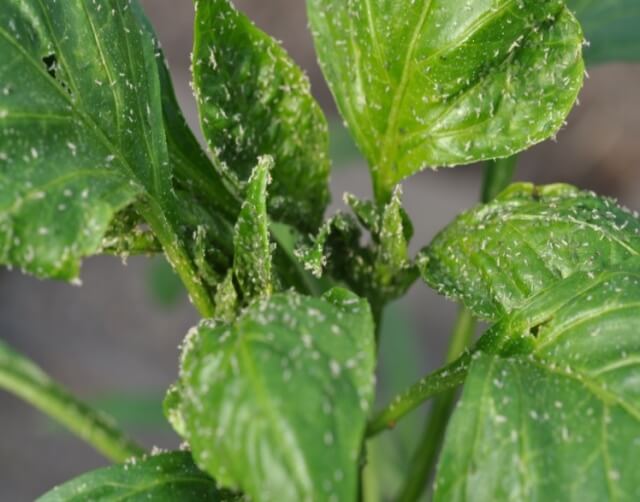
Patata
Pulgones

WHO CAUSES IT?
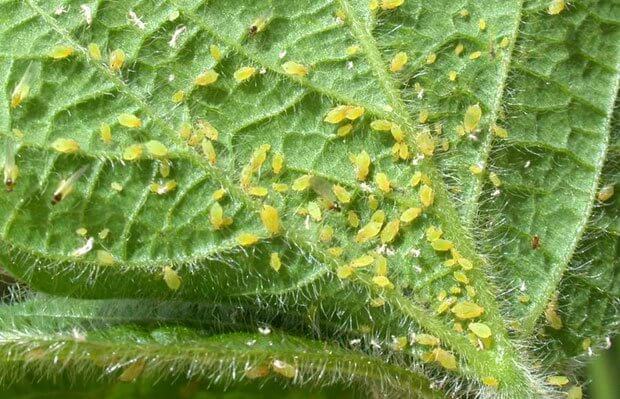
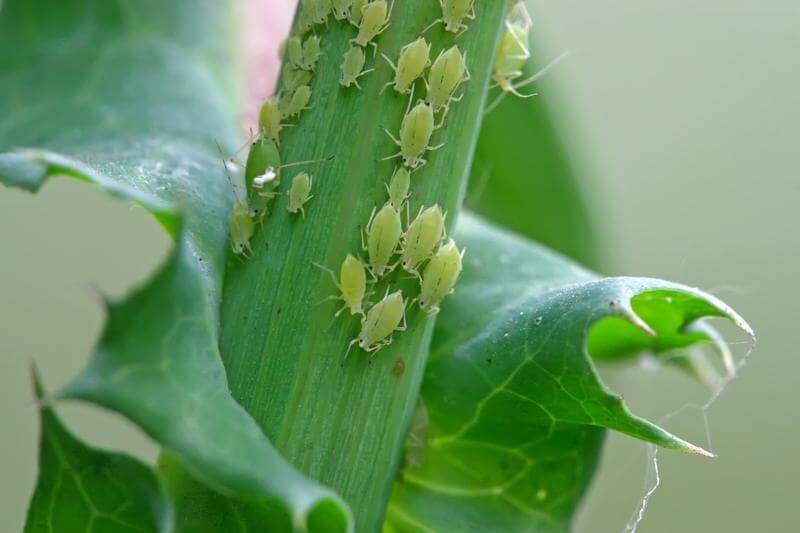
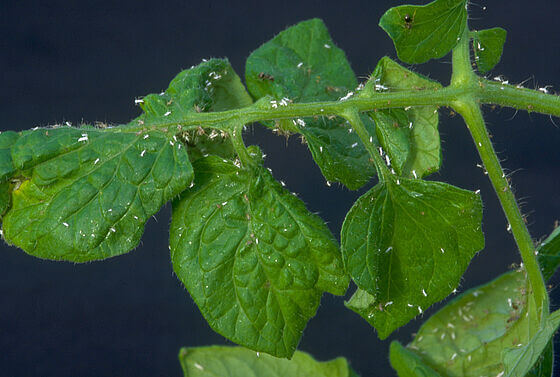
Aulacorthum solani, known as the peach aphid or potato aphid, is a phytophagous insect that feeds on a wide variety of plants, including potatoes. This aphid reproduces rapidly, especially under favorable temperature and humidity conditions, and can have multiple generations throughout a growing season. Females can be viviparous and give birth to nymphs without needing to mate, allowing populations to grow rapidly. Aphids feed by sucking plant sap, which can cause physical and physiological damage to crops.

SYMPTOMS
Aulacorthum solani causes significant damage to potato plants by feeding on their sap. This damage can cause leaf deformations, growth arrest, and a decrease in the quality and quantity of tubers. Additionally, aphids can excrete honeydew, which promotes the growth of fungi such as sooty mold.
• Deformations in potato leaves.
• Stopping plant growth.
• Decrease in the quality and quantity of tubers.
• Presence of honeydew and sooty mold growth on the plant.


TEMPERATURE AND HUMIDITY
15°C - 25°C
60% - 80%

TRANSMISSION PATHS
Flight, direct contact, transportation of contaminated plants or tubers.
Do you want to remove this disease? Choose how you want to treat it.

TREATMENTS
Chemical treatment
• RAPE OIL 1.69% ( ) [AL] P/V
• RAPE OIL 77.7% [EC] P/V
• ACETAMIPRID 20% [SG] P/P
• AZADIRACTIN 1% (AS AZADIRACTIN A) [EC] P/V
• Azadirachtin 2.6% (AS AZADIRACTIN A) [EC] P/V
• CYPERMETHRIN 10% [EC] P/V
• DELTAMETHRIN 1.57% [SC] P/V
• DELTAMETHRIN 10% [EC] P/V
• DELTAMETHRIN 2.5% [EC] P/V
• ESFENVALERATE 2.5% [EC] P/V
• ESFENVALERATE 5% [EC] P/V
• LAMBDA CYHALOTHRIN 1.5% [CS] P/V
• LAMBDA CYHALOTHRIN 10% [CS] P/V
• LAMBDA CYHALOTHRIN 2.5% [WG] P/P
• LAMBDA CYHALOTHRIN 5% [EG] P/P
• PYRETHRINS 4.65% (as pyrethrum extract) [EC] P/V
• POTASSIUM SALTS OF FATTY ACIDS C14-C20 48% [EW] P/V
• TAU-FLUVALINATE 24% [EW] P/V
• ADHESIVE TRAP
• CHROMATIC TRAP
Authorized treatments in organic farming
• RAPE OIL 1.69% ( ) [AL] P/V
• RAPE OIL 77.7% [EC] P/V
• AZADIRACTIN 1% (AS AZADIRACTIN A) [EC] P/V
• Azadirachtin 2.6% (AS AZADIRACTIN A) [EC] P/V
• LAMBDA CYHALOTHRIN 1.5% [CS] P/V
• LAMBDA CYHALOTHRIN 10% [CS] P/V
• LAMBDA CYHALOTHRIN 2.5% [WG] P/P
• LAMBDA CYHALOTHRIN 5% [EG] P/P
• PYRETHRINS 4.65% (as pyrethrum extract) [EC] P/V
• POTASSIUM SALTS OF FATTY ACIDS C14-C20 48% [EW] P/V
• ADHESIVE TRAP
• CHROMATIC TRAP
Biological control
• ADALIA BIPUNCTATA
• APHELINUS ABDOMINALIS
• APHIDIUS COLEMANI
• APHIDIUS ERVI
• APHIDOLETES APHIDIMYZA
• APHISIUS SP. (WASPS)
• BEAUVERIA BASSIANA (STRAIN ATCC 74040) 2.3% (2.3X10E7 VIABLE SPORES/ML) [OD] P/V
• BEAUVERIA BASSIANA (GHA STRAIN) 10.7% (2.26X10E13 CONIDIAS/L) [OD] P/V
• BEAUVERIA BASSIANA (GHA STRAIN) 22% (4.4 x 10E10 CONIDIAS/G) [WP] P/P
• CHRYSOPERLA CARNEA
• EPISYRPHUS BALTEATUS (HYRPHID)
• HIPPODAMIA VARIEGATA
• MACROLOPHUS PYGMAEUS
• PRAON VOLUCRE
• RHOPALOSIPHUM PADI
• SCYMNUS NUBILUS
• SPHAEROPHORIA RUEPPELLII (SYRPHID)
Recommendations
• Regularly monitor plants for the presence of aphids and take quick action.
• Use natural enemies of aphids, such as ladybugs and lacewings, to control populations.
• Apply specific insecticides when aphid populations are high, following the instructions of experts.
• Maintain adequate soil and irrigation management to avoid water stress in plants.
• Practice crop rotation to reduce the accumulation of pests in the soil.
• Avoid excessive use of nitrogen fertilizers, which can promote the growth of aphids.





*The recommended treatments are still recommendations according to the databases of the authorities and at no time do they replace the guidelines established according to the legislation of each country
*The products shown are recommendations and are not our own products. As Amazon Associates, we earn revenue from purchases of recommended products.

TREATMENTS
Homemade treatments
There are no home treatments
Natural allies
Chemical treatments
There are no treatments for this disease. Treatments are directed at the insect vectors that transmit it. See insect treatments.

RECOMMENDATIONS

REPELLENT PLANTS
RECOMMENDED PRODUCTS TO ELIMINATE THIS PEST
*The recommended treatments are still recommendations according to the databases of the authorities and at no time do they replace the guidelines established according to the legislation of each country
*The products shown are recommendations and are not our own products. As Amazon Associates, we earn revenue from purchases of recommended products.



Explore more tools
Services
Contact
Legal
©2023 by ZeriMar Laboratoire. All rights reserved.