


Symptoms, treatments and recommendations for treating serpeta
Serpeta
Lepidosaphes Ulmi / Mytilococcus Ulmi
Pathogen:
Type:
Insect
Risk:
HIGH
Frutales de pepita
Insectos

WHO CAUSES IT?
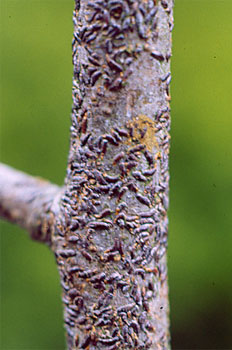
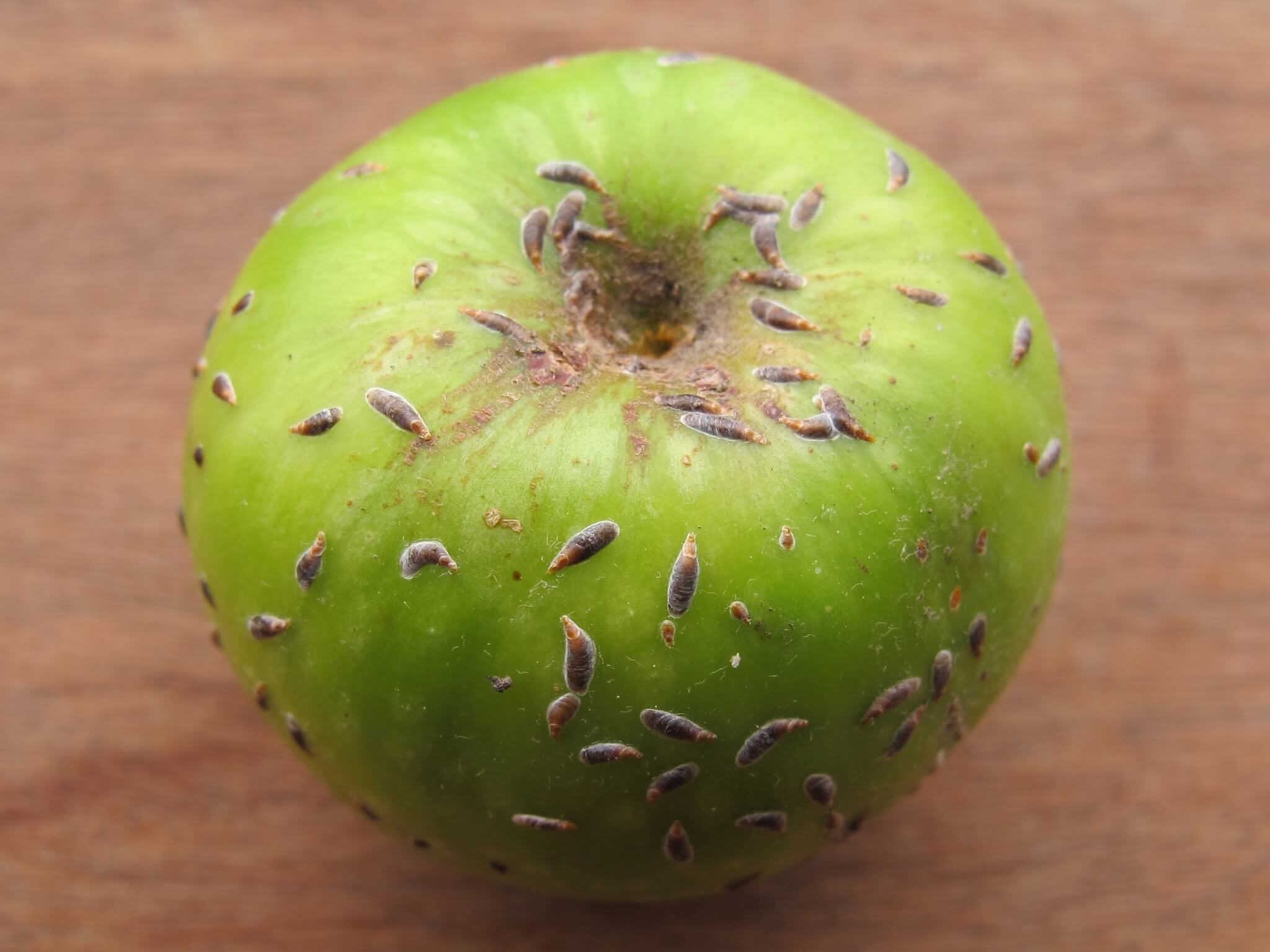
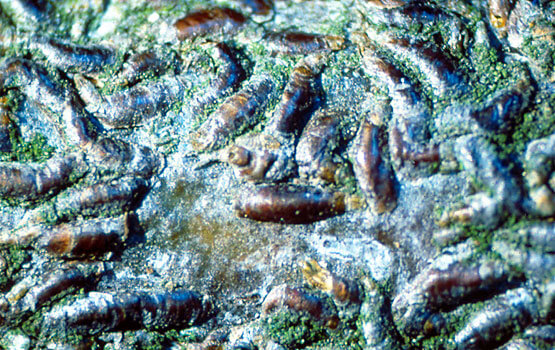
Lepidosaphes ulmi, also known as the apple snake, is an insect belonging to the Diaspididae family. This insect spends the winter as a nymph attached to the bark of fruit trees. In spring, adult females emerge, feed, and begin laying eggs under their protective shield, which is a waxy shell. Each female can deposit between 50 and 100 eggs, from which nymphs emerge over a period of 2 to 3 weeks. The young nymphs, known as "crawlers", move briefly in search of a suitable place to settle and begin feeding. These nymphs transform into adults within a few weeks and continue the cycle, producing several generations a year, depending on weather conditions. Feeding by nymphs and adults causes significant damage to the host plant, weakening it and reducing its vigor.

SYMPTOMS
The serpeta caused by Lepidosaphes ulmi affects pome fruit trees, causing a disease that manifests mainly in the bark, branches and fruits. Initial symptoms include the appearance of small white dots that turn into necrotic Taches, and as the infestation progresses, scabs and deformations form on the affected tissues.
- White Taches and scabs on the bark and branches
- Deformations in the bark and branches
- Reduction in the growth of new branches
- Premature fruit drop
- Loss of vigor in the tree
- Decrease in production and quality of fruits
- Death of severely affected branches


TEMPERATURE AND HUMIDITY
20-30°C
60-80%

TRANSMISSION PATHS
Wind, birds, contaminated pruning tools, physical contact with infested plants, transplanting infected plants
Do you want to remove this disease? Choose how you want to treat it.

TREATMENTS
Chemical treatment
• LAMBDA CYHALOTHRIN 10% [CS] P/V
• LAMBDA CYHALOTHRIN 1.5% [CS] P/V
• LAMBDA CYHALOTHRIN 2.5% [WG] P/P
Authorized treatments in organic farming
• LAMBDA CYHALOTHRIN 10% [CS] P/V
• LAMBDA CYHALOTHRIN 1.5% [CS] P/V
• LAMBDA CYHALOTHRIN 2.5% [WG] P/P
Biological control
-
Recommendations
- Carry out regular tree inspections to detect the presence of serpeta early.
- Maintain good garden hygiene, eliminating infected branches and fruits.
- Use sticky traps to monitor and reduce the population of crawlers.
- Apply horticultural oils during the dormant period to suffocate wintering nymphs.
- Use natural enemies, such as parasitoids and specific predators, to control the snake population.
- Implement chemical treatment programs, rotating insecticides to prevent the development of resistance.
- Avoid excessive use of nitrogen fertilizers, as they can favor the growth of the pest.
- Promote good aeration and sun exposure in the orchard through proper pruning and spacing practices.
- Promote biodiversity in the garden to increase the presence of natural enemies.
- Apply biological treatments with entomopathogenic fungi such as Beauveria bassiana.





*The recommended treatments are still recommendations according to the databases of the authorities and at no time do they replace the guidelines established according to the legislation of each country
*The products shown are recommendations and are not our own products. As Amazon Associates, we earn revenue from purchases of recommended products.

TREATMENTS
Homemade treatments
There are no home treatments
Natural allies
Chemical treatments
There are no treatments for this disease. Treatments are directed at the insect vectors that transmit it. See insect treatments.

RECOMMENDATIONS

REPELLENT PLANTS
RECOMMENDED PRODUCTS TO ELIMINATE THIS PEST
*The recommended treatments are still recommendations according to the databases of the authorities and at no time do they replace the guidelines established according to the legislation of each country
*The products shown are recommendations and are not our own products. As Amazon Associates, we earn revenue from purchases of recommended products.



Explore more tools
Services
Contact
Legal
©2023 by ZeriMar Laboratoire. All rights reserved.