


Symptoms, treatments, and recommendations for treating Torito del Manzano
Apple Tree Torito
Stictocephala Bisonia
Pathogen:
Type:
Insect
Risk:
MILD
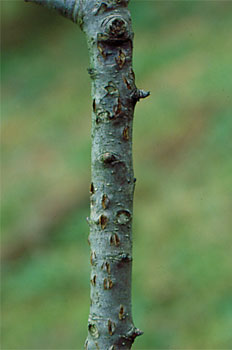
Manzano
Insectos
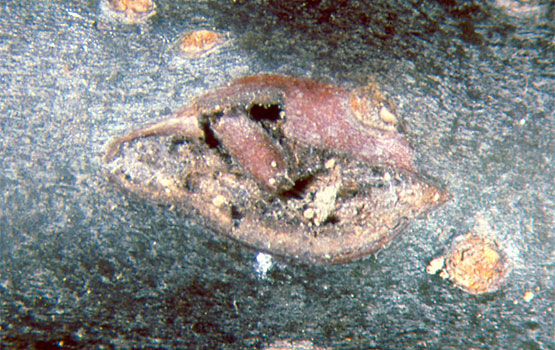

WHO CAUSES IT?
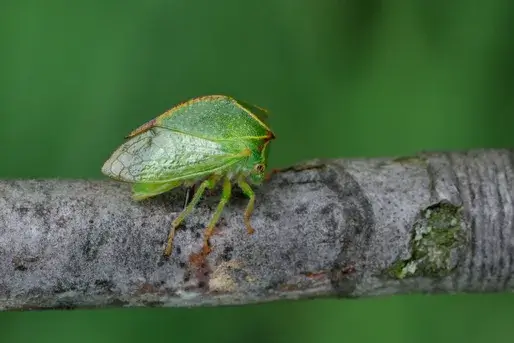
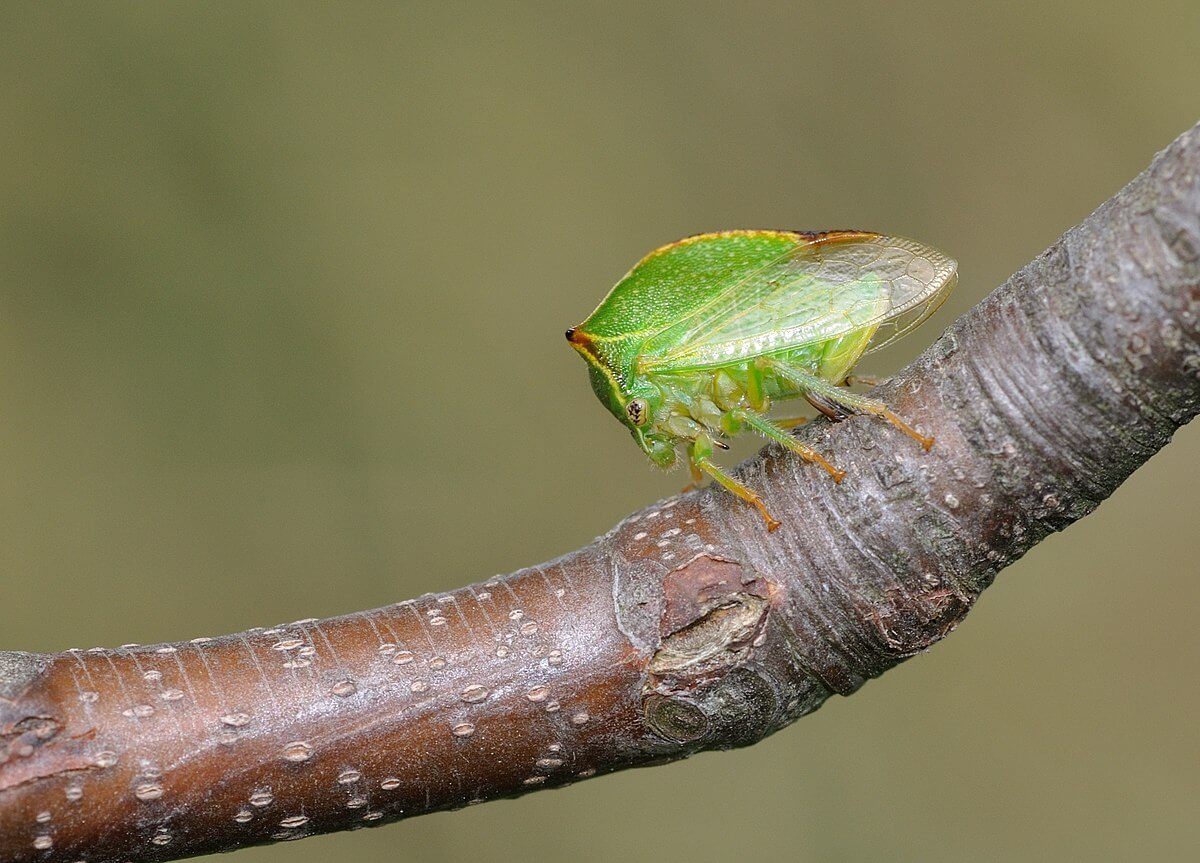
Ceresa bulbalus, commonly known as apple tortoise, or Stictocephala bisonia, is a phytopathogenic insect of the Membracidae family. These insects feed on the sap of apple trees, damaging the plant's tissues and weakening it. They have a distinctive appearance with a bull or bison shape, with a bump on the back. The females lay their eggs in the plant tissues and the nymphs emerge and feed on the sap of the branches and leaves.

SYMPTOMS
The apple tree tortoise causes physical damage to the branches and leaves by feeding on the sap. These damages can cause deformations and reduction in the quality and quantity of the fruits. In addition, wounds on the plant can facilitate the entry of other diseases.
• Damage to branches and leaves when feeding on the sap.
• Deformations in fruits and young shoots.
• Reduction in the quality and quantity of the fruits.
• Yellowing and premature leaf fall.
• General weakening of the plant.


TEMPERATURE AND HUMIDITY
15°C - 28°C
60% - 80%

TRANSMISSION PATHS
Insect movements between plants, direct contact with infected plants, transplanting of infected plants.
Do you want to remove this disease? Choose how you want to treat it.

TREATMENTS
Chemical treatment
No treatment is required for this pest.
Authorized treatments in organic farming
No treatment is required for this pest.
Biological control
-
Recommendations
• Regularly monitor crops to detect the presence of these insects.
• Use traps and physical barriers to capture and control populations.
• Apply specific insecticides to control adult insects and nymphs.
• Prune and remove affected branches and plant parts to prevent spread.
• Keep the growing area clean and free of plant residues.
• Promote crop diversification to avoid the concentration of insects.
• Promote the presence of natural predators to control populations.





*The recommended treatments are still recommendations according to the databases of the authorities and at no time do they replace the guidelines established according to the legislation of each country
*The products shown are recommendations and are not our own products. As Amazon Associates, we earn revenue from purchases of recommended products.

TREATMENTS
Homemade treatments
There are no home treatments
Natural allies
Chemical treatments
There are no treatments for this disease. Treatments are directed at the insect vectors that transmit it. See insect treatments.

RECOMMENDATIONS

REPELLENT PLANTS
RECOMMENDED PRODUCTS TO ELIMINATE THIS PEST
*The recommended treatments are still recommendations according to the databases of the authorities and at no time do they replace the guidelines established according to the legislation of each country
*The products shown are recommendations and are not our own products. As Amazon Associates, we earn revenue from purchases of recommended products.



Explore more tools
Services
Contact
Legal
©2023 by ZeriMar Laboratoire. All rights reserved.