


Products and treatments to eliminate borers from plants
How to recognize, treat and eliminate borers from plants
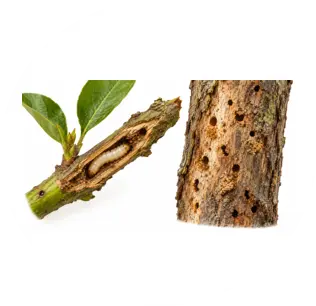
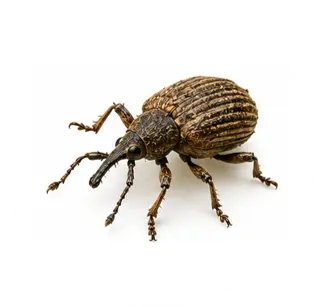
Borers are insects whose larvae can enter stems, branches, trunks, fruits or roots and feed inside them. This can greatly weaken the plant and, when the attack is severe, cause the loss of branches or even the death of the plant.
How to recognize borers on plants?
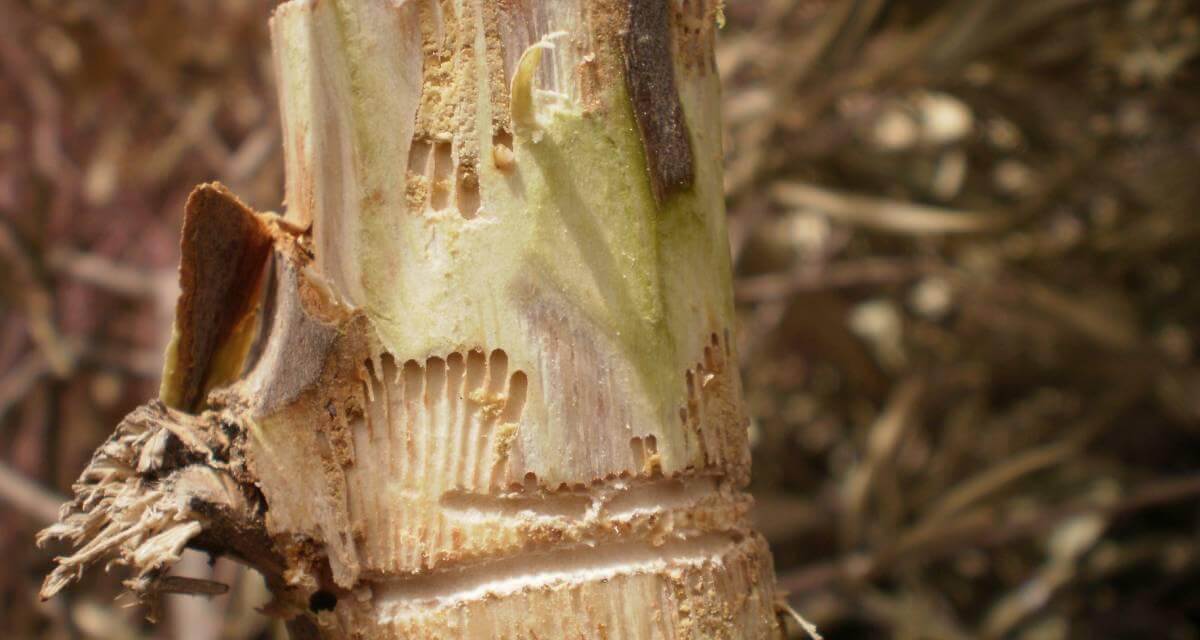
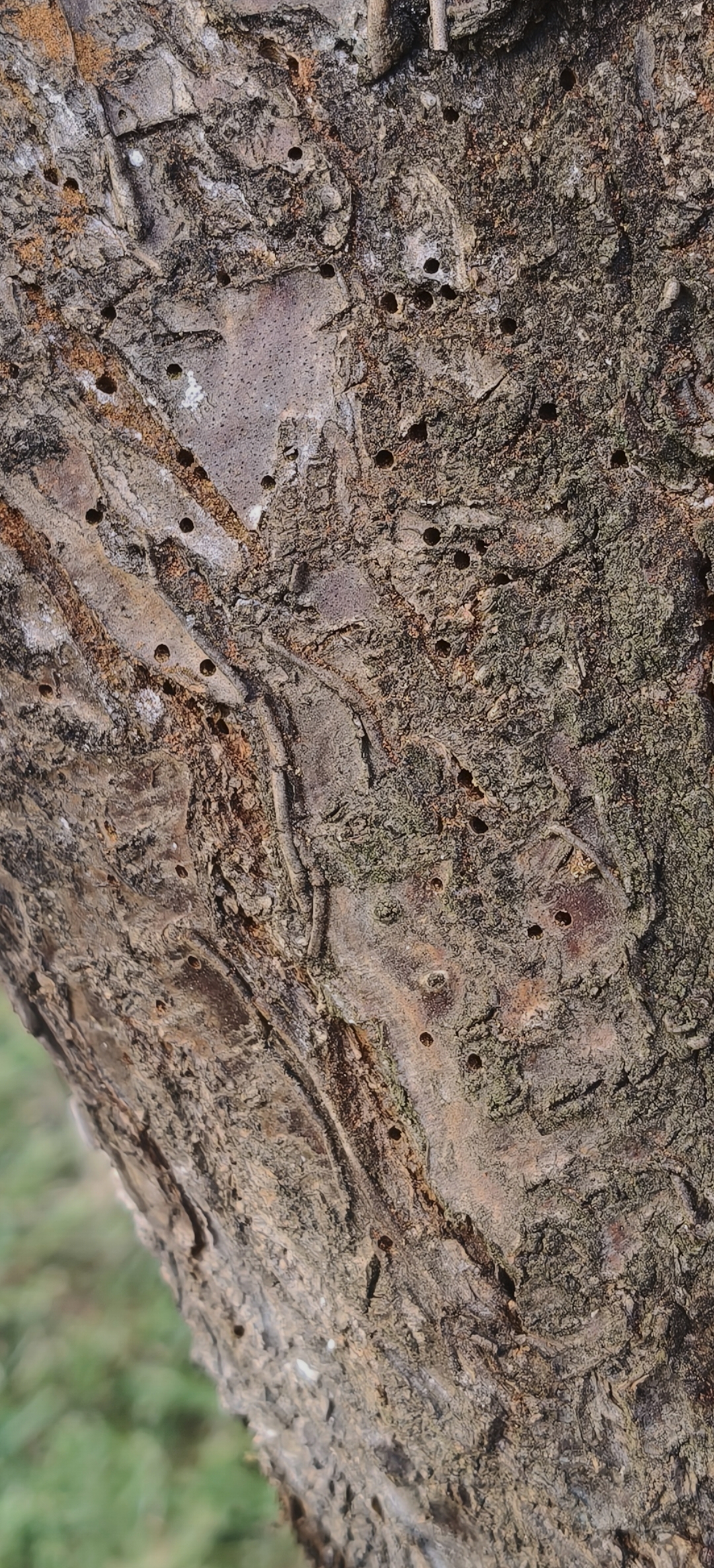
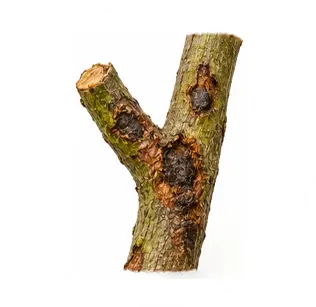
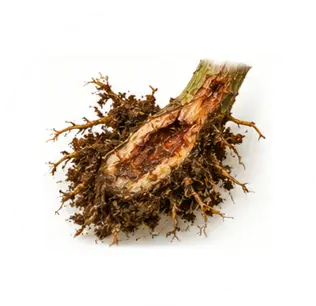
Borer damage usually appears around stems, branches or trunks. One of the most common signs is small holes through which the larva enters or exits, together with sawdust or plant material around the affected area. As the pest progresses inside the plant, branches may become weakened, wilt or eventually dry out.
The main symptoms are:
• Small holes in stems, branches or trunks.
• Presence of sawdust or plant material around the holes.
• Galleries or tunnels inside stems and branches.
• Branches that become weakened or break easily.
• Shoots or branches that wilt and eventually dry out.
• Irregular growth or general weakening of the plant.
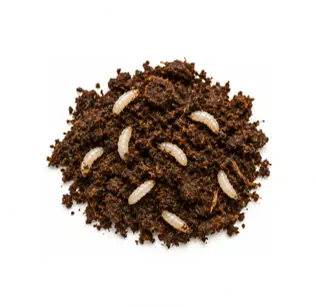
• In some cases, presence of larvae or insects around the affected areas.
Do not confuse with nutritional problems, lack of watering, fungi or nematodes
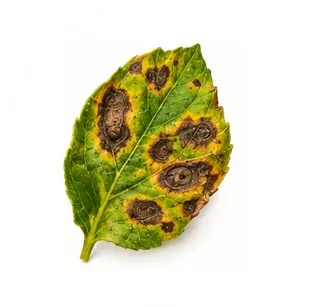
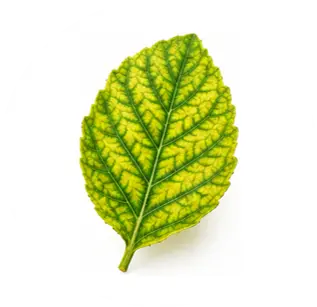
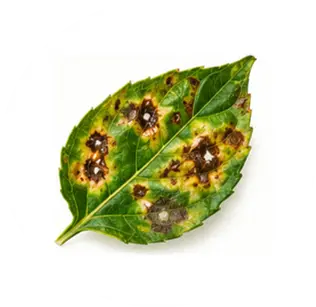
Wilting, yellowing and drying of branches do not by themselves indicate the presence of borers. These symptoms can also appear due to lack of watering, nutritional deficiencies, root problems, nematodes or diseases caused by soil fungi.
The main difference is that borers live and feed inside stems, branches or trunks, so they usually leave characteristic physical signs such as entry or exit holes, galleries beneath the bark, sawdust or excrement, holes with tissue remains and, in some cases, larvae.
In contrast, watering or nutritional problems usually affect the plant more generally and without galleries or holes, while fungi and nematodes that affect the roots cause damage to the root system and alterations in water and nutrient absorption, which can cause wilting without any signs of perforation in stems or branches.
Treatments to eliminate borers from plants
Borers are more difficult to control when the larvae are already protected inside the plant. Therefore, acting from the first symptoms and regularly checking stems, branches and trunks helps detect the problem early. When the insect is still accessible, an appropriate insecticide can help reduce the population, while removing severely damaged parts allows a significant portion of the pest to be eliminated.
The main recommendations and treatments are:
• Inspect stems, branches and trunks: looking for small holes, galleries and sawdust helps detect the presence of borers in their early stages and allows action before the damage increases.
• Remove severely affected parts: cutting and removing clearly damaged branches or areas helps eliminate the galleries where larvae may be found and reduces the presence of the pest.
• Broad-spectrum insecticide: it can be used to control borers when the insect is at a stage that is accessible to treatment. It is especially useful when action is taken during the early stages, before the larvae become protected inside the wood.
Products for treating borers

Other common problems
Discover the most common problems and select the one that interests you.



Explore more tools
Services
Contact
Legal
©2023 por ZeriMar Laboratoire. Todos os direitos reservados.