


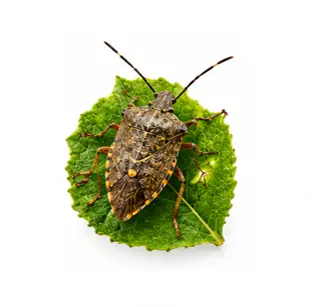
Products and treatments to eliminate plant bugs from plants
How to identify, treat and eliminate plant bugs from plants
Plant bugs are insects that can appear on garden plants, vegetable gardens and crops. They feed on sap and can cause damage to leaves, shoots and fruits. Some species can also affect fruits, causing deformities, spots or loss of quality.
How to identify plant bugs on plants?
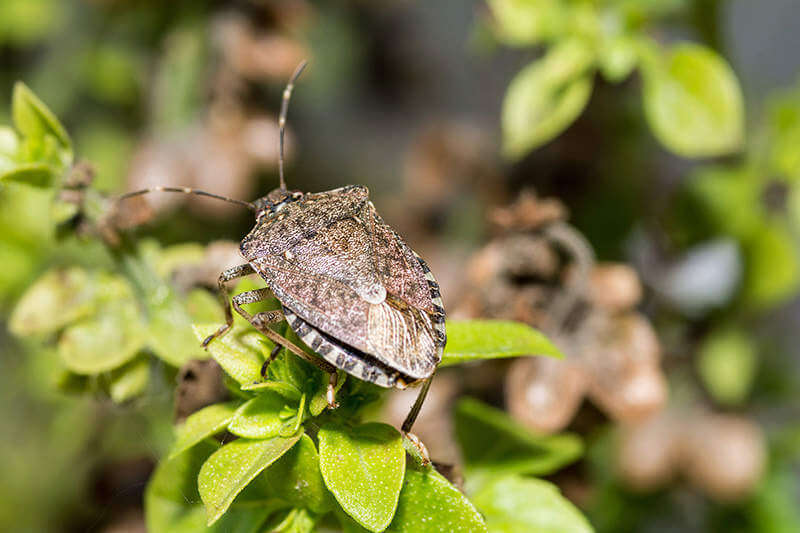
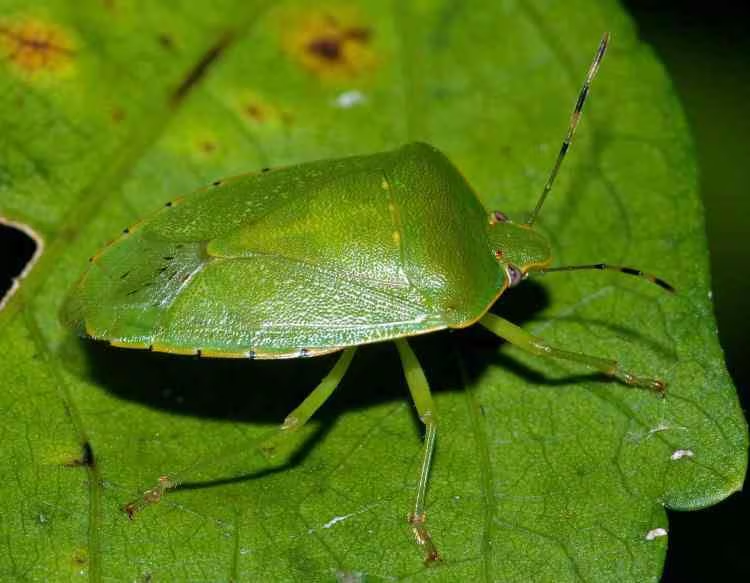
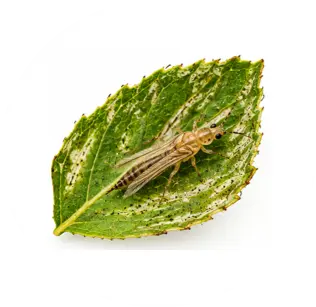
Plant bugs can be found on leaves, stems, shoots and fruits, although some species hide among the vegetation and are more difficult to see. When feeding, they insert their mouthparts into the plant tissues and can leave small punctures, spots, deformities and color changes in the affected areas. The damage is usually especially visible on fruits and young shoots.
The main symptoms are:
• Small dots, spots or puncture marks on the leaves.
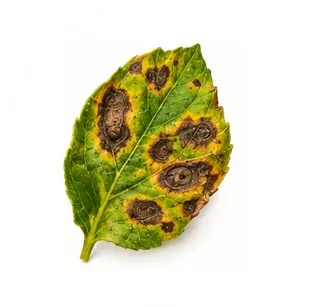
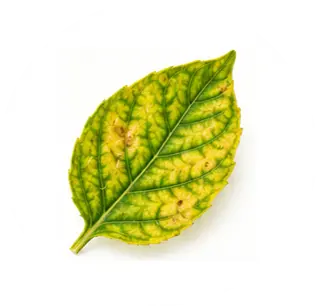
• Leaves with discolored, yellowish or deformed areas.
• Weakened, deformed young shoots or shoots with irregular growth.
• Small punctures, spots or deformities on fruits.
• Fruits with damaged areas, spots or color changes on the surface.
• Fruits that lose quality or show damage around the punctures.
• Presence of plant bugs or small insects on leaves, stems, shoots or fruits.
• Unpleasant odor when handling some species of plant bugs.
Treatments to eliminate plant bugs from plants
When the presence of plant bugs is low, removing visible individuals helps quickly reduce the population. If the infestation is high, a specific insecticide provides more effective control and allows direct action against the insects present on the plant. Regularly checking leaves, stems and shoots helps detect the pest early and makes it easier to control.
The main recommendations and treatments are:
• Inspect the plant: regularly checking leaves, stems and shoots makes it possible to detect the first individuals and act before the population increases.
• Manual removal: is a practical solution when only a few individuals are observed and allows the number of plant bugs present on the plant to be quickly reduced.
• Insecticide with deltamethrin: is an effective and fast solution for controlling plant bugs. It acts directly on the insects and allows the population present on the plant to be rapidly reduced.
Products for treating stink bugs

Other common problems
Discover the most common problems and select the one that interests you.



Explore more tools
Services
Contact
Legal
©2023 por ZeriMar Laboratoire. Todos os direitos reservados.