


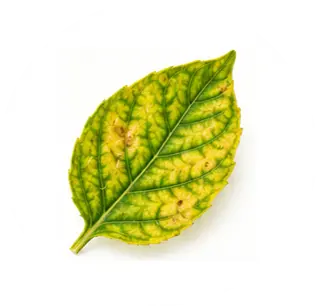
Products and treatments for yellow leaves on plants
How to recognize, treat and restore plants with yellow leaves
Yellow leaves are one of the most common signs that a plant is not growing under optimal conditions. Yellowing can appear when the plant does not have certain nutrients available, when the roots cannot absorb them properly or when watering causes stress that affects its development. Acting when the first yellow leaves appear makes it easier to restore the plant and prevent the problem from progressing.
How to recognize yellow leaves on plants?
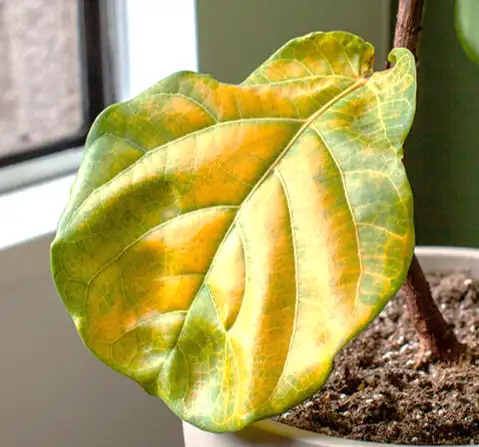
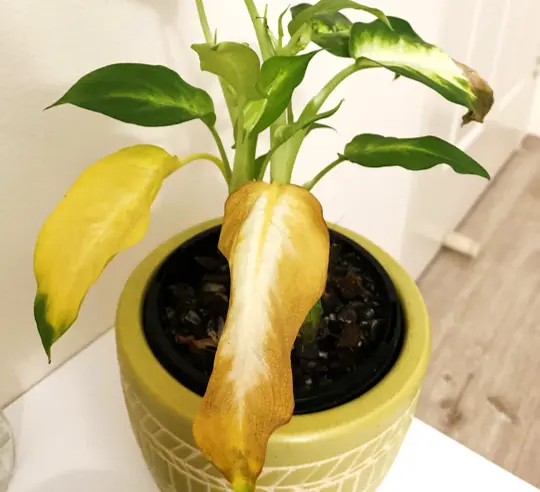
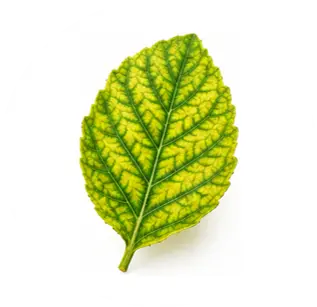
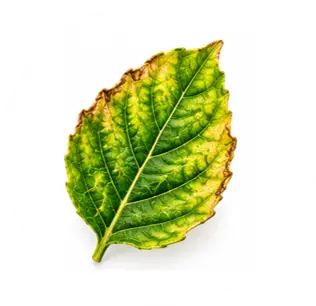
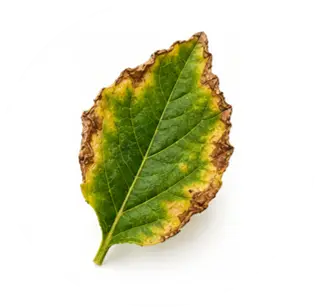
Yellowing of the leaves can appear in different ways depending on the cause and the part of the plant affected. It may begin on older or younger leaves, affect the entire surface of the leaf or appear mainly between the veins while the veins remain green. The distribution and pattern of the yellowing are important for distinguishing a nutritional deficiency from a watering or root problem.
Main signs:
• Leaves progressively losing their green color.
• Uniform yellowing of the entire leaf.
• Young leaves turning yellow while the veins remain green.
• Yellowing that begins mainly on the older leaves.
• Yellow leaves accompanied by slow or weak growth.
• Soft leaves, leaf drop or general loss of vigor.
• Premature leaf drop when the problem persists for a prolonged period.
Do not confuse with watering problems or root damage
The pattern of yellowing and the overall condition of the plant help distinguish its possible causes. When yellowing appears throughout the plant and the plant shows slow growth and low vigor, it may be related to insufficient nutrition. If young leaves show yellowing between the veins while the veins remain green, the pattern is compatible with difficulty in obtaining iron.
In contrast, when yellowing appears together with soft leaves, leaf drop and a substrate that remains constantly wet, there may be a problem of excess water and root damage. Under these conditions, the roots may lose their ability to absorb water and nutrients, causing yellowing symptoms even though the substrate contains sufficient moisture.
Lack of water usually produces a different pattern: the plant loses turgor, the leaves appear drooping or limp and, when the stress persists, the edges and leaves may dry out.
Treatments to eliminate yellow leaves and restore the plant
When leaves turn yellow due to a lack of nutrients, providing adequate nutrition helps restore the plant's vigor and promotes the development of new healthy growth. A complete and balanced fertilizer provides several nutrients at the same time, while when the symptoms show the characteristic pattern of a specific deficiency, the nutrient needed by the plant can be applied.
The main recommendations and treatments are:
• Complete and balanced fertilizer: a practical option for restoring plants that show general nutritional weakening. It provides several nutrients at the same time and helps improve growth and the formation of new leaves. Nitrogen plays a particularly important role in foliage development.
• Maintain adequate watering: good nutrition should be accompanied by appropriate moisture conditions in the substrate. Avoiding both excess water and prolonged periods of drought helps keep the roots active and promotes nutrient absorption.
• Improve growing conditions: providing the plant with adequate light, humidity and watering conditions promotes recovery and allows the nutrients supplied to be used correctly to produce new growth.
Products for treating yellow leaves

Other common problems
Discover the most common problems and select the one that interests you.






Explore more tools
Services
Contact
Legal
©2023 por ZeriMar Laboratoire. Todos os direitos reservados.