


Rust on plants: how to identify and control it
How to identify rust and protect your plants' leaves
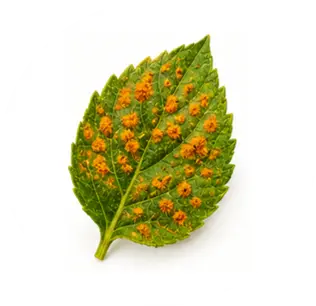
Rust is a disease caused by different fungi that can affect many plant species and crops. It is characterized by the appearance of small lesions and accumulations of yellow, orange, brown, or reddish spores, especially on the leaves, although it can also affect other parts of the plant. As the disease progresses, the lesions may increase in size and number, causing weakening, tissue loss, and reduced plant vigor. Recognizing the first spots and acting as soon as possible is essential to prevent the disease from spreading and causing significant damage.
How to identify rust
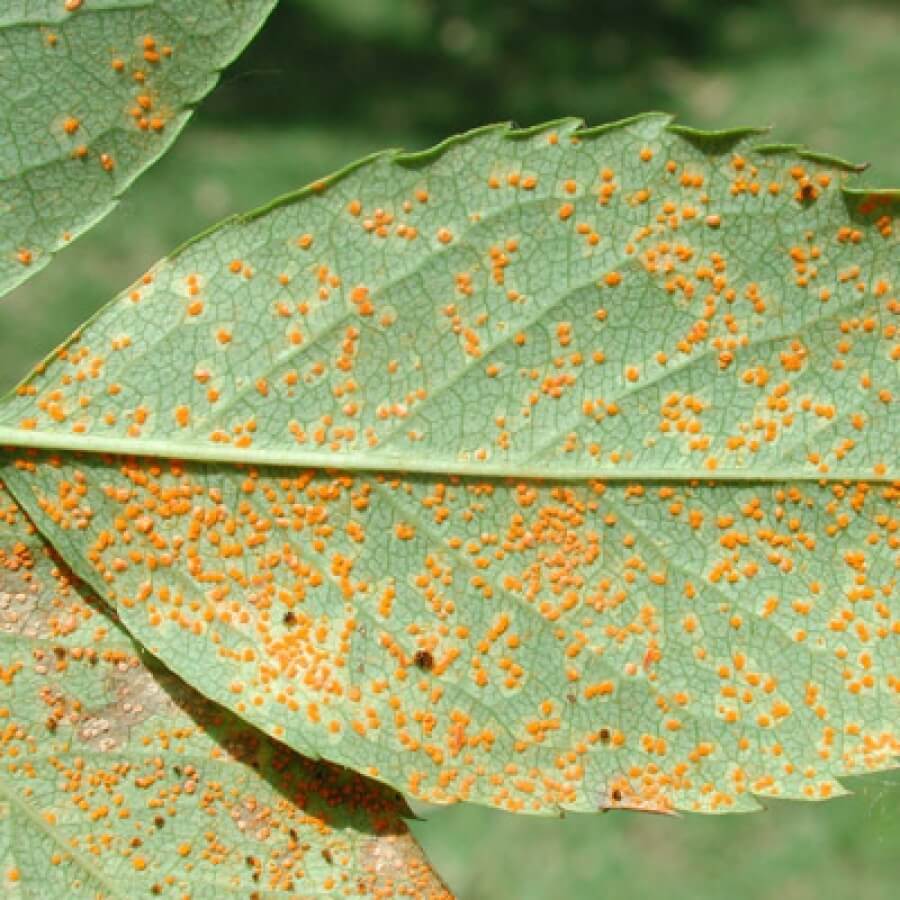
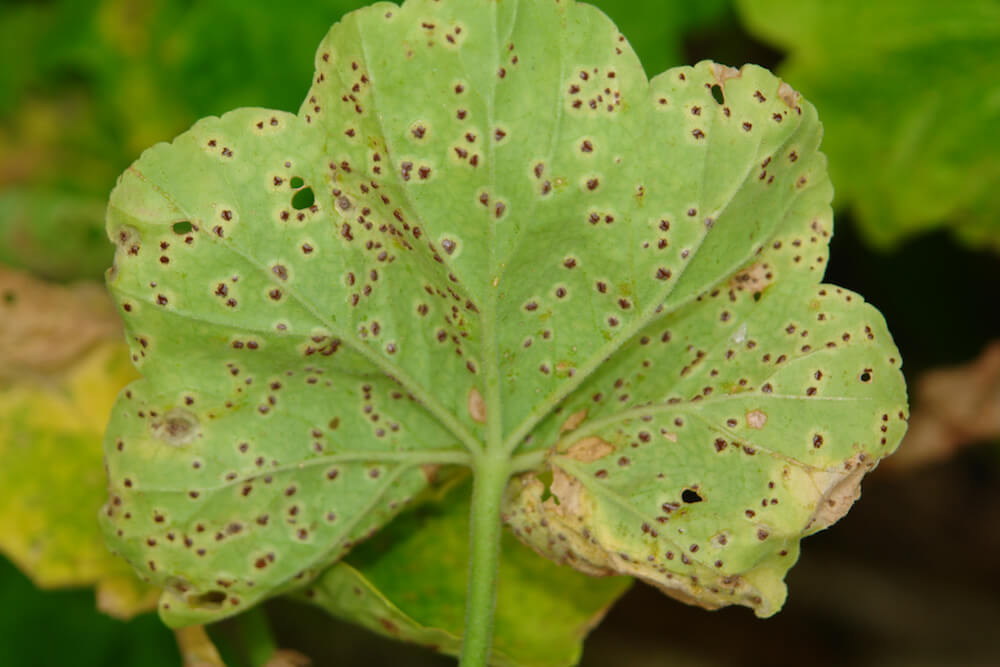
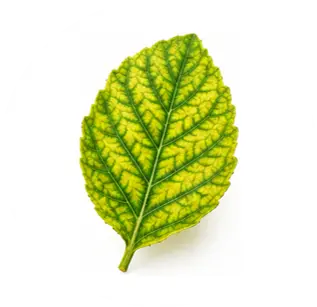
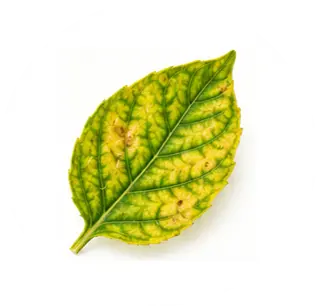
Rust usually first appears as small yellowish spots or marks on the leaves. As the disease progresses, small accumulations of spores may appear on the underside of the leaves, usually orange, yellow, brown, or reddish in color. These structures can easily come off when the leaf is touched, leaving a characteristic powder. The spots may increase in size and cause yellowing, weakening, and premature leaf drop.
The main symptoms are:
• Small yellowish spots or marks on the leaves.
• Spots that progressively increase in size.
• Small pustules or accumulations of spores on the underside of the leaves.
• Orange, yellow, brown, or reddish pustules.
• Spore powder that can come off when the affected areas are touched.
• Greater presence of pustules on the underside of the leaves.
• Progressive yellowing of the leaves.
• Weakened leaves with reduced vigor.
• Leaves that may dry out when the infection is severe.
• Premature leaf drop in advanced infections.
Do not confuse with powdery mildew
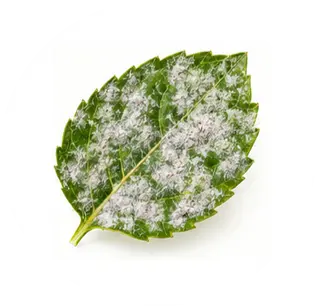
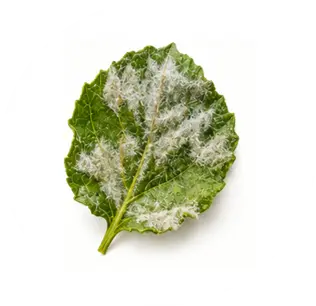
Powdery mildew forms a white, powdery coating on the surface of the leaves, whereas rust mainly produces small orange, yellow, brown, or reddish spots or pustules. These pustules are usually especially visible on the underside of the leaves.
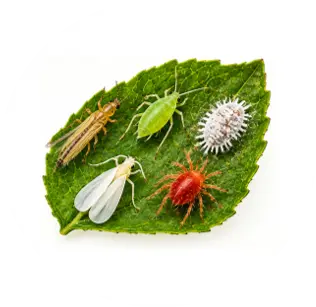
Do not confuse with insect or mite damage
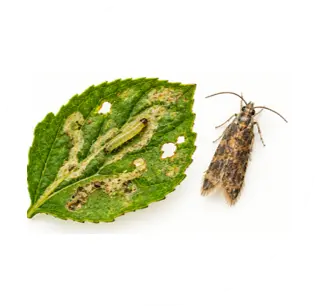
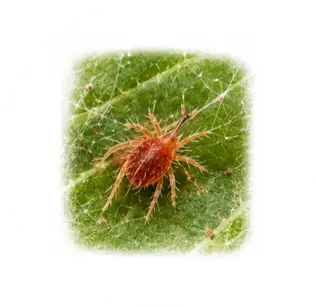
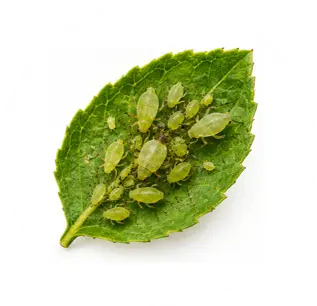
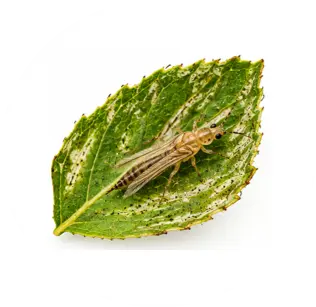
Insects and mites can cause stippling, discoloration, deformation, or feeding damage on leaves, but they do not usually produce the small spore pustules characteristic of rust.
Recommended treatments for rust
Rust is a fungal disease that usually appears as spots and small pustules, especially on the leaves. To control its development, it is important to remove severely affected parts, reduce humid conditions, and act quickly when the first symptoms appear.
The main recommendations and treatments are:
• Remove severely affected leaves: removing leaves with numerous spots or pustules reduces the amount of fungus present and helps prevent the disease from spreading further.
• Avoid wetting the leaves: watering directly onto the soil or growing medium and keeping the foliage as dry as possible helps reduce the conditions that favor rust development and prevents it from spreading to other leaves.
• Improve ventilation: maintaining good air circulation around the plant helps the leaves dry more quickly and reduces moisture on the plant tissues.
• Control excess moisture: avoiding excessive watering and maintaining balanced moisture levels makes it more difficult for the fungus to develop and spread.
• Copper: provides a contact fungicidal action on the plant surface and helps protect tissues against rust development, especially as a preventive treatment and during the early stages of the disease.
• Chemical fungicide for rust: a specific treatment when the disease is already visible and beginning to spread. It acts on fungal development, helps slow the progression of rust, and protects new plant growth.
Products for treating rust

Other common problems
Discover the most common problems and select the one that interests you.



Explore more tools
Services
Contact
Legal
©2023 por ZeriMar Laboratoire. Todos os direitos reservados.