


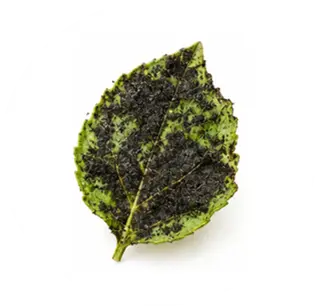
Sooty mold on plants: how to recognize and eliminate it
How to identify sooty mold and eliminate both the fungus and the cause of its appearance
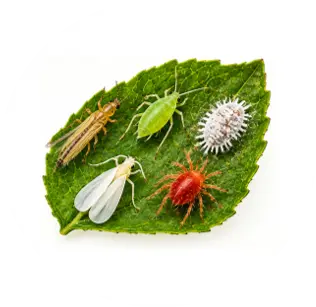
Sooty mold is a dark, generally black layer that appears on leaves, stems and other parts of the plant. It develops on the sugary honeydew produced by certain insects when feeding on plant sap, such as aphids, scale insects or whitefly. Although sooty mold develops on the plant surface, its presence can cover the leaves and reduce their ability to carry out photosynthesis properly. Therefore, it is important to identify its appearance and locate the insects responsible for producing honeydew as soon as possible to prevent the problem from continuing to spread.
How to recognize sooty mold?
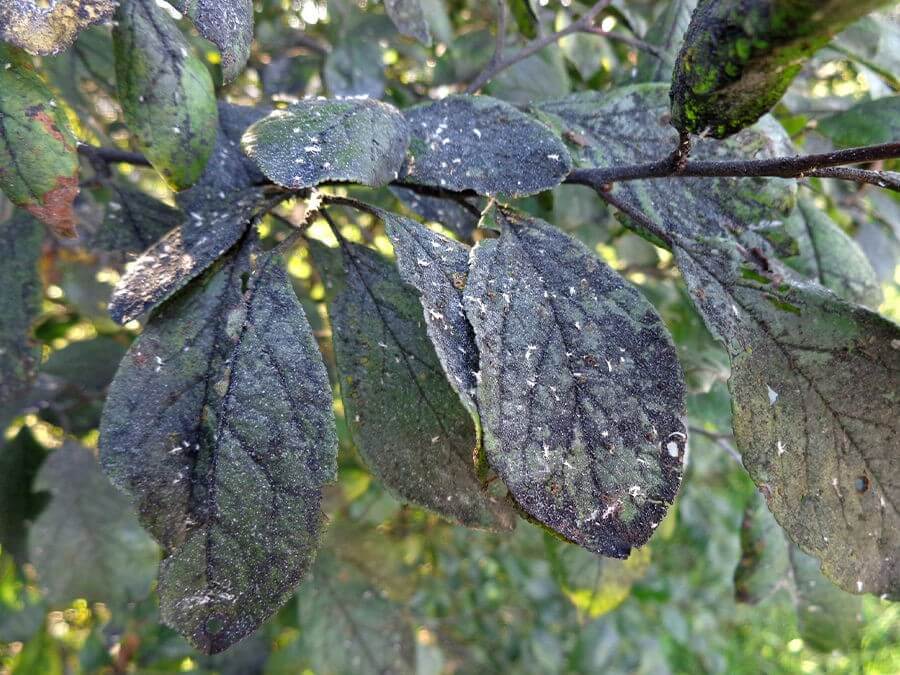
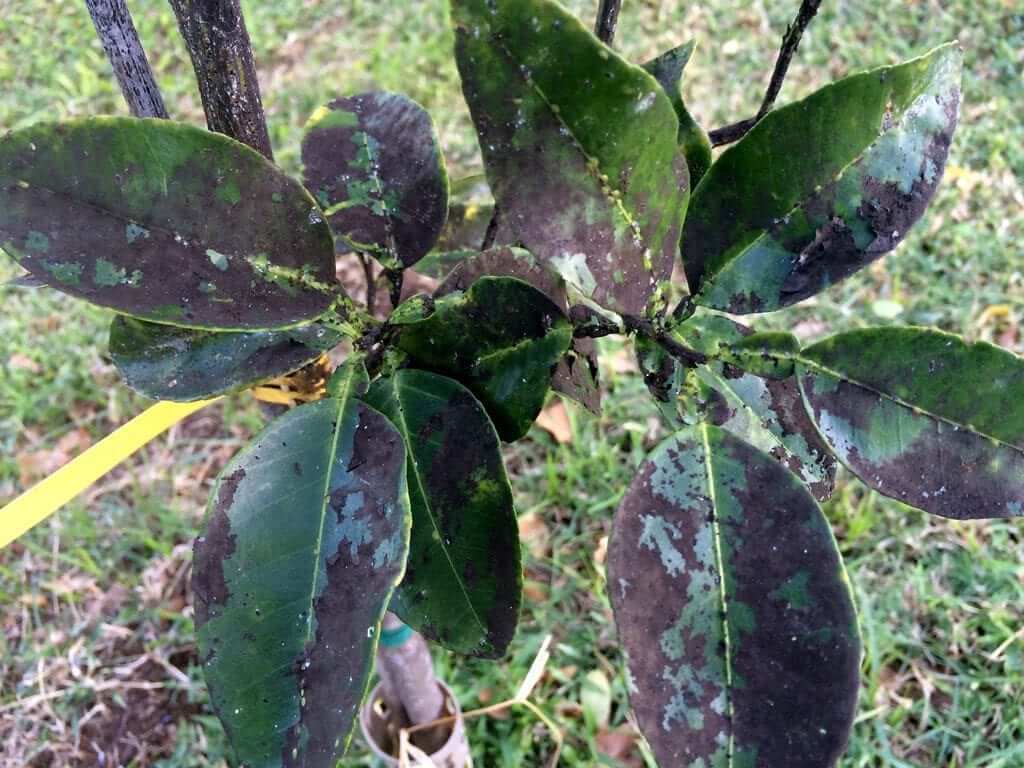
Sooty mold appears as a black layer on the surface of leaves and other parts of the plant. It looks similar to soot and usually develops on the honeydew left by some sap-feeding insects, such as aphids, scale insects and whitefly. The layer may progressively spread and cover large areas of leaves, stems or fruits.
The main symptoms are:
• Black layer or film on the surface of leaves.
• Appearance similar to soot, dust or accumulated dirt.
• Leaves, stems or fruits covered by a dark layer.
• Leaf surfaces that may feel slightly sticky due to the presence of honeydew.
• Black layer that increases and spreads when honeydew continues to be produced.
• Leaves that may become partially covered by sooty mold during severe infestations.
• Reduction in the amount of light reaching the leaf surface when the layer is very abundant.
• Presence of sticky honeydew on leaves, stems or fruits.
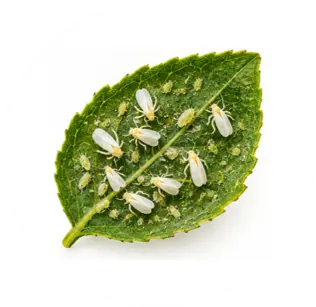
• Presence of honeydew-producing insects on the plant, such as aphids, scale insects or whitefly.
• The black layer may partially come off when the leaf surface is cleaned, especially when it has developed over an abundant accumulation of honeydew.
Recommended treatments for sooty mold
Sooty mold appears on leaves and stems when honeydew produced by certain pests accumulates on the plant surface. Therefore, simply cleaning the black layer does not solve the problem: as long as the insects producing honeydew remain present, sooty mold will continue to appear. Treatment should combine cleaning the plant with control of the responsible pest and, when the sooty mold layer is highly developed, a fungicide treatment.
The main recommendations and treatments are:
• Identify and control the pest: aphids, whitefly, scale insects and other sap-feeding insects can produce the honeydew on which sooty mold develops. Controlling these insects is essential to prevent the problem from reappearing.
• Clean the leaves: removing accumulated honeydew and sooty mold progressively restores the leaf surface and improves its ability to capture light.
• Potassium soap: it is particularly useful for cleaning the plant and removing exposed insects and honeydew residues. Its action helps the black layer of sooty mold detach from the leaves and helps keep the plant surface clean.
• Insecticide: this is necessary when there is an active infestation of the insects responsible for producing honeydew. Controlling the pest cuts off the source of food for the sooty mold and prevents it from continuing to appear.
• Copper: this helps protect the plant surface and control the development of certain fungi associated with sooty mold. It is particularly useful as a complement when the sooty mold layer is widespread.
• Chemical fungicide: when sooty mold is highly developed, an authorized fungicide allows direct action against fungal development and complements plant cleaning. Combining plant cleaning with control of the pest producing the honeydew is the key to effectively eliminating sooty mold and preventing it from covering the leaves again.
Products for treating sooty mold

Other common problems
Discover the most common problems and select the one that interests you.




Explore more tools
Services
Contact
Legal
©2023 por ZeriMar Laboratoire. Todos os direitos reservados.