


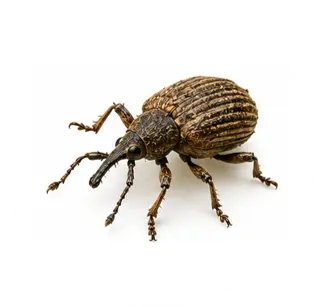
Weevils on plants: how to recognize and treat the damage
How to recognize damage caused by weevils on leaves, stems and roots
Weevils are insects that can cause significant damage to different crops, especially when they attack fruits and seeds. Some species feed directly on fruits, while others lay their eggs in them and their larvae develop inside, causing galleries, perforations, deterioration and loss of quality. Depending on the species, they can also affect leaves, shoots, stems, roots or seeds.
How to recognize damage caused by weevils
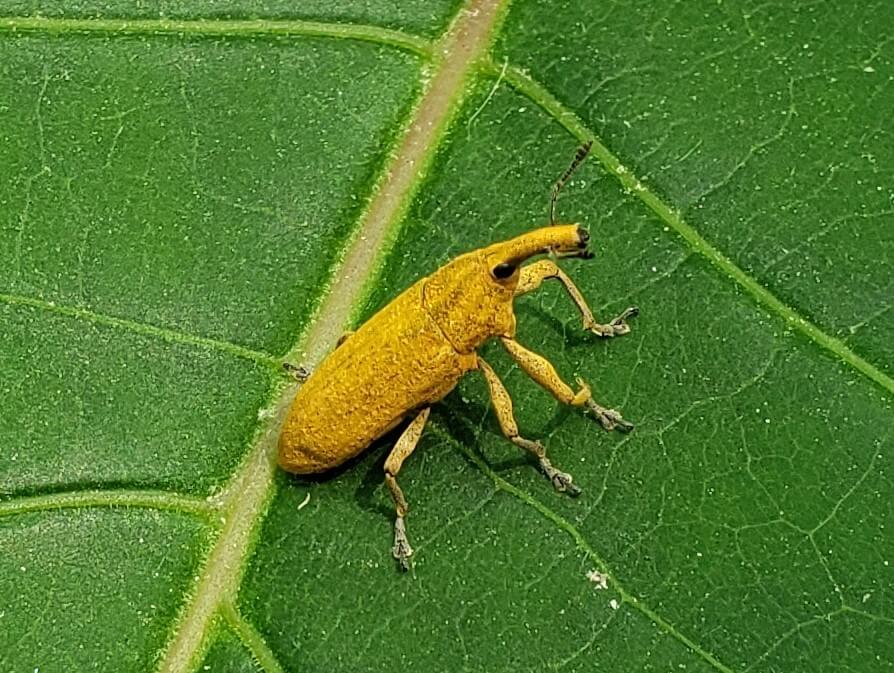
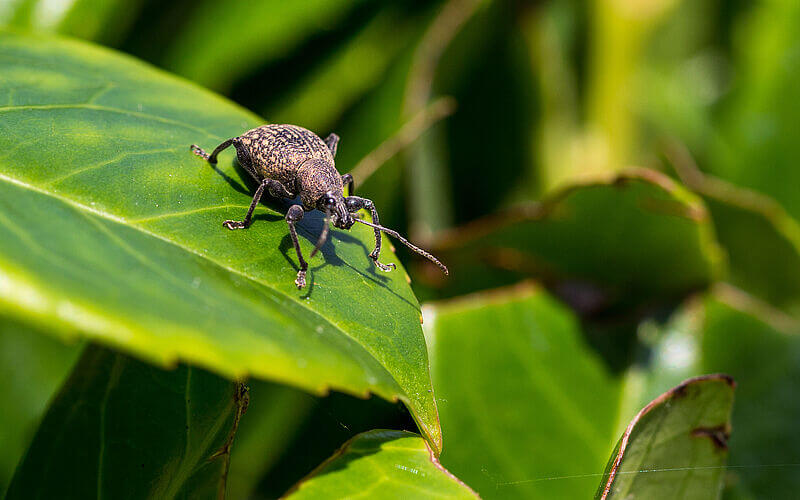
Adults may feed on the surface of the fruit and, in some species, females lay their eggs directly in the fruit. The larvae develop inside and may form galleries, consume the pulp or damage the seeds, causing the fruit to lose quality and potentially fall or rot.
The main symptoms are:
• Small holes or perforations on the surface of the fruits.
• Larval entry or exit holes in the fruits.
• Chewed or damaged areas on the surface of the fruit.
• Galleries or tunnels inside the fruit.
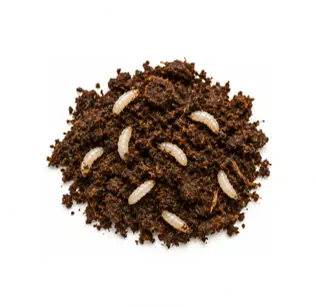
• Larvae inside the fruits or near the seeds.
• Seeds that have been eaten, perforated or damaged.
• Droppings or material expelled by the larvae around the holes.
• Fruits that begin to deteriorate or rot around the perforated areas.
• Deformed fruits or irregular development when the attack occurs during fruit formation.
• Fruits that fall before reaching maturity.
• Loss of quality and usability of affected fruits.
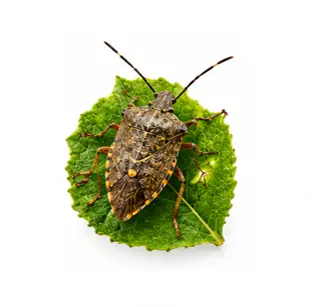
• Presence of adult weevils on fruits, leaves or stems.
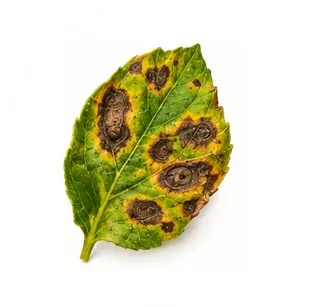
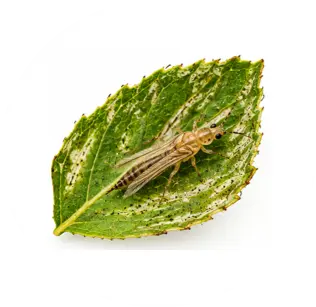
• In some species, semicircular or irregular bites along the edges of leaves.
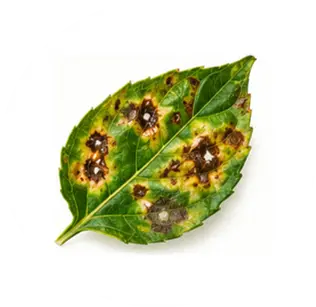
• Perforations or small areas consumed on the leaves.
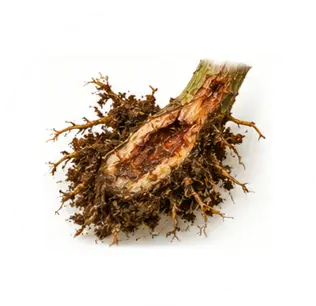
• Damage to shoots, stems or roots depending on the species.
Do not confuse with caterpillars or beetles
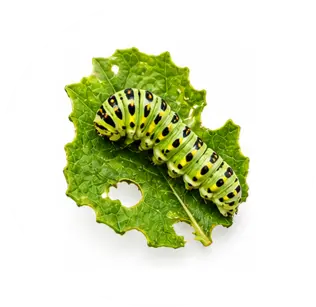
Caterpillars and beetles can also damage fruits and leave eaten areas or perforations. However, when they feed on the surface, they usually leave clearly consumed parts of the fruit and highly visible damage.
In contrast, in weevil attacks, the external damage is barely visible, with a small hole being observed while the larvae remain inside the fruit, where they form galleries and damage the seeds.
Do not confuse with wood-boring insects and bark beetles
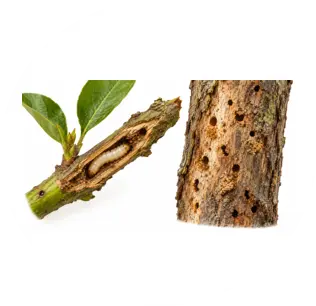
Wood-boring insects and bark beetles can also produce perforations and galleries, but their damage is mainly concentrated in stems, branches, trunks or wood, not in fruits. Weevils mainly cause damage to the fruit itself or to the seeds.
How to treat weevils on plants
Bites and perforations are usually a clear sign of their presence. Acting from the first signs of damage helps reduce the population and prevent adults from continuing to feed and causing new injuries.
The main recommendations and treatments are:
• Inspect leaves, shoots and fruits: regularly checking the plant makes it possible to detect bites, perforations and the presence of adult weevils. Frequent inspection makes it easier to act before the infestation increases.
• Remove visible weevils: when their presence is low, manually collecting the insects helps quickly reduce the population and prevents them from continuing to feed on the plant.
• Remove plant debris and weeds: keeping the area around the plant clean reduces potential hiding places and makes it easier to detect new specimens.
• Check the soil: some weevil species spend part of their life cycle in the soil, so it is advisable to check the base of the plant when repeated damage occurs and monitor substrate conditions.
• Deltamethrin insecticide: it is an effective solution for controlling weevils present on the plant and quickly reducing new damage caused by adults. Deltamethrin acts by contact on the insects' nervous system, providing direct action on exposed specimens and helping to stop an active infestation. It is especially recommended when adult weevils and recent damage to leaves, shoots or fruits are observed.
Products for treating weevils

Other common problems
Discover the most common problems and select the one that interests you.



Explore more tools
Services
Contact
Legal
©2023 por ZeriMar Laboratoire. Todos os direitos reservados.