


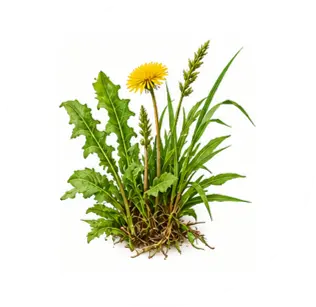
Products and treatments to eliminate weeds
How to recognize, treat and eliminate weeds in the garden
Weeds are plants that appear spontaneously in pots, gardens, paths, growing areas and around other plants. They compete with cultivated plants for water, nutrients, light and space, and can grow quickly if they are not controlled. Removing them while they are still small makes control much easier and prevents them from producing new seeds.
How to recognize weeds?

Weeds or unwanted plants can have very different forms, so there is no single appearance that allows them to be recognized. Unlike diseases or pests, they are not identified by a specific type of damage they cause to the plant, but because they are vegetation that appears and grows spontaneously in an area where its presence is not desired.
These plants can compete with crops for water, nutrients, light and space, and some species can grow and reproduce quickly, making them difficult to control.
Main characteristics and problems:
• Plants that appear spontaneously among cultivated plants.
• Small seedlings that repeatedly appear in the same soil.
• Plants that spread around pots, trees, shrubs or crops.
• Weeds that grow between paving stones, paths, joints or areas without vegetation.
• Plants that quickly produce flowers and seeds and reappear after being removed.
• Vegetation that begins to occupy the space intended for cultivated plants.
• Plants that directly compete with crops for water, nutrients, light and space.
Treatments to eliminate weeds
Herbicides are an effective solution for controlling weeds when unwanted vegetation needs to be removed quickly. They allow large areas to be treated and are especially practical for paths, passage areas, large plots or spaces where the ground is to be kept clean. The choice of format mainly depends on the area to be treated and the amount of weeds present.
The main recommendations and treatments are:
• Remove larger weeds: manually removing larger plants before treatment helps reduce the existing vegetation and makes it easier to control new plants that appear.
• Apply when weeds are actively growing: treatments work better when plants are growing and have sufficient green surface to receive the product. This favors absorption and allows better control.
• Concentrated herbicide for dilution: a practical option for large areas or when several applications are needed. It is diluted according to the proportion indicated by the manufacturer and allows the amount needed for each treatment to be prepared.
• Ready-to-use spray herbicide: especially convenient for small areas, pots and specific locations. It can be applied directly to the weeds without preparing a mixture and facilitates quick, localized treatment.
• Repeat the treatment when necessary: some weeds may reappear after the first application, especially when roots or seeds remain in the soil. Carrying out new applications according to the product instructions helps keep the area clean for longer.
Products for treating weeds

Other common problems
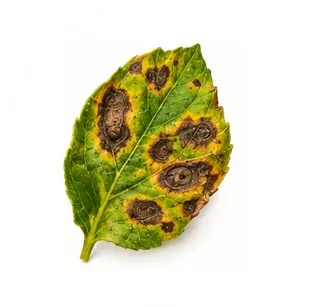
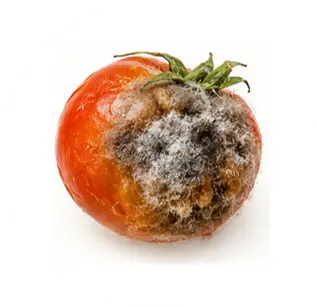
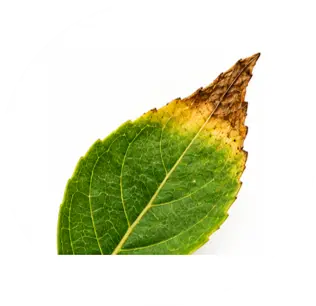
Discover the most common problems and select the one that interests you.





Explore more tools
Services
Contact
Legal
©2023 por ZeriMar Laboratoire. Todos os direitos reservados.