


Products and treatments to combat plant wilting
How to recognize, treat and restore wilted plants
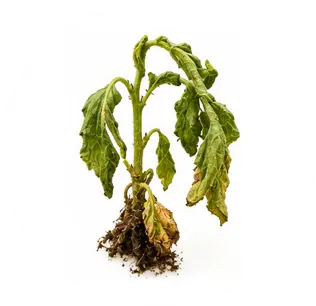
Wilting occurs when the plant loses turgor and its leaves, stems or shoots begin to droop. It is a clear sign that the plant is under some type of stress and, if it persists, it can eventually cause significant weakening. Acting quickly helps restore the plant's vigor and prevent the deterioration from progressing.
How to recognize wilting in plants?
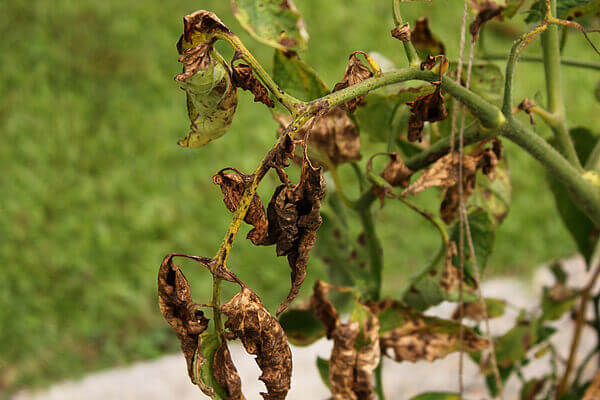
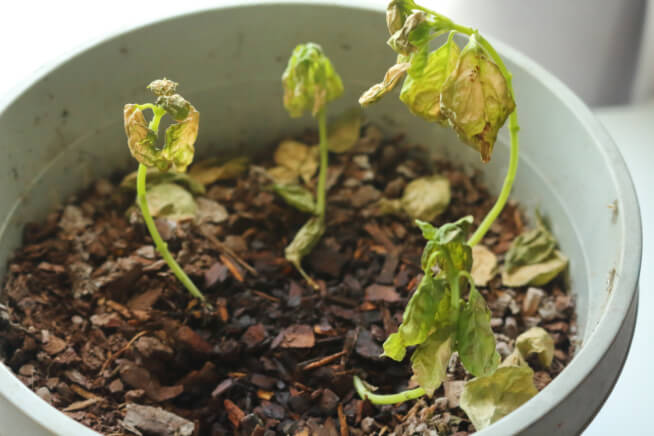
Wilting is a symptom that appears when the plant loses turgor and can no longer keep its leaves and shoots firm. The leaves may droop, bend or develop a soft and limp appearance. The problem can affect the entire plant or initially appear only on some branches, shoots or specific areas. Wilting does not by itself indicate a lack of water, as it can also occur when the roots are damaged or when another problem prevents the plant from properly absorbing and transporting water.
Main signs:
• Drooping or downward-bent leaves.
• Young shoots that lose firmness.
• Soft leaves without turgor.
• General loss of vigor.
• Leaves that turn yellow or dry out after several days of wilting.
• Stunted or very slow growth.
• Wilting that initially affects some branches or areas of the plant.
• In advanced cases, branches that progressively begin to dry out.
Do not confuse with a simple watering problem
The condition of the substrate and the plant's development after watering help distinguish the possible causes. When lack of water is responsible, the substrate is usually dry and the leaves quickly lose their firmness. If the plant has functional roots, turgor usually recovers after receiving water.
In contrast, when the roots are damaged by diseases, excess moisture or other root problems, the plant may remain wilted even when the substrate is wet. In these cases, yellowing, leaf drop, loss of vigor and progressive deterioration may also appear.
Treatments to eliminate plant wilting
When a plant has drooping leaves and loss of vigor, it is important to identify the cause in order to apply the appropriate solution. If the weakening is related to insufficient nutrition, an all-purpose fertilizer helps provide the nutrients needed to promote recovery. When wilting is associated with problems caused by fungi or oomycetes affecting the roots and crown area of the plant, fosetyl-Al can act directly against this type of problem.
The main recommendations and treatments are:
• Check watering: maintaining adequate moisture in the substrate helps the roots properly absorb water and nutrients. Both excess water and prolonged lack of watering can cause wilting.
• Improve drainage: if the substrate remains too wet, improving water drainage promotes root aeration and helps keep the roots in better condition.
• All-purpose fertilizer: a practical option when the plant is weakened by insufficient nutrition. It provides a balanced range of nutrients that promotes the formation of new leaves, shoot growth and the overall recovery of the plant.
• Fosetyl-Al: an option particularly indicated when wilting is associated with certain fungi and oomycetes affecting the roots and crown area of the plant. Its distribution within the plant allows it to act on different tissues and promotes its natural defense mechanisms, helping to slow the progression of the problem and protect the root system.
Products for treating wilting

Other common problems
Discover the most common problems and select the one that interests you.



Explore more tools
Services
Contact
Legal
©2023 por ZeriMar Laboratoire. Todos os direitos reservados.