


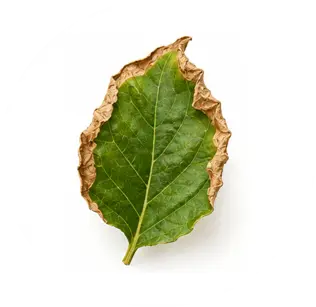
Dry edges on leaves: causes, symptoms and treatment
How to distinguish dry edges caused by stress, lack of potassium, fungi or bacteria
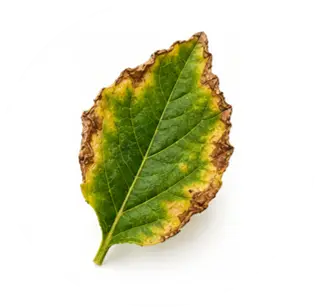
Dry or scorched edges on leaves are a common problem that is not caused by pests or diseases. This type of damage usually appears when the plant suffers from watering problems, environmental stress or a nutritional imbalance, especially one related to potassium. Observing where the damage begins and how it spreads across the leaf makes it easier to identify the cause and understand what is affecting the plant.
How to recognize dry edges on leaves
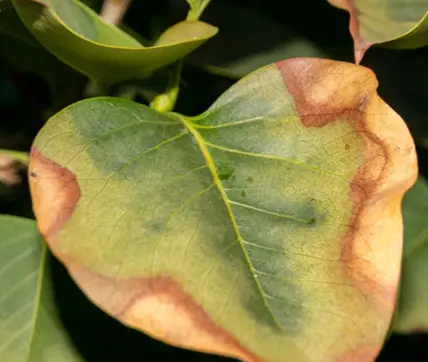
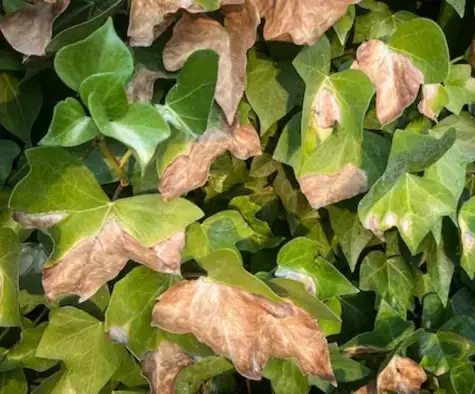
Dry or scorched edges on leaves are a common problem that is not caused by pests or diseases. This type of damage usually appears when the plant suffers from watering problems, environmental stress or a nutritional imbalance, especially one related to potassium. Observing where the damage begins and how it spreads across the leaf makes it easier to identify the cause and understand what is affecting the plant.
The main symptoms are:
• Dry, brown or scorched-looking edges on the leaves.
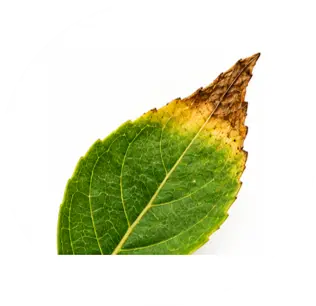
• Leaf tips that begin to dry out before the rest of the tissue.
• Dry and brittle areas that progress from the edges toward the inside of the leaf.
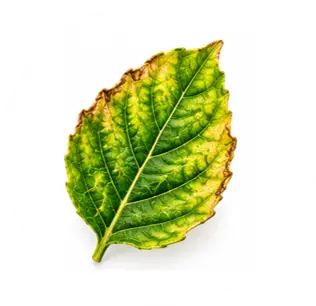
• Yellowing around the dry areas in some cases.
• Edges that may become yellow, brown, reddish or bronze depending on the cause.
• Leaves that become dry and brittle in the most affected areas.
• Progressive drying of an increasingly large part of the leaf when the problem continues.
• Leaves that may eventually become completely dry when the damage is severe.
• Wilting or loss of vigor when the problem is related to lack of water or water stress.
• Greater presence of the problem on older leaves when it is related to a potassium deficiency.
When the cause is water stress and watering problems
When the problem is related to lack of water, excessive watering or irregular watering, the edges and tips of the leaves may begin to dry out and develop a brown, dry and brittle appearance. The damage usually affects the edges of the leaf fairly uniformly and may appear together with wilting or loss of vigor.
When the cause is a lack of potassium
Lack of potassium can also cause dry or scorched-looking edges. However, it usually appears first on older leaves and may begin with yellowing or color changes along the margins before they dry out. The damage may gradually progress from the edges toward the inside of the leaf.
How to treat dry edges on leaves
To correct the problem, it is important to first control soil moisture and exposure conditions, and then provide the necessary nutrients when a deficiency exists. Addressing these causes helps prevent the damage from progressing and encourages new leaves to grow healthily.
The main recommendations and treatments are:
• Control soil moisture: maintaining a stable moisture level helps prevent both lack of water and excessive watering, two situations that can cause stress and contribute to the appearance of dry edges.
• Soil moisture meter: it allows you to easily check when the soil needs water and helps adjust watering to the plant's actual needs. It is especially useful for avoiding alternating periods of drought with excessive watering.
• Protect the plant from excessive sun: when dry edges are related to excessively intense sun exposure, especially during the hours of highest radiation, providing shade or moving the plant to a more protected location helps prevent new burns.
• Maintain adequate watering: watering regularly and deeply, while avoiding both allowing the growing medium to dry out completely and keeping it constantly waterlogged, promotes proper root function and plant recovery.
• Complete fertilizer: when dry edges are related to a lack of potassium, providing this nutrient helps correct the deficiency and promotes better development and resistance of plant tissues.
Products for treating dry leaf edges

Other common problems
Discover the most common problems and select the one that interests you.



Explore more tools
Services
Contact
Legal
©2023 por ZeriMar Laboratoire. Todos os direitos reservados.