


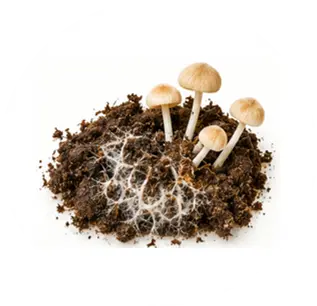
Products and treatments to eliminate soil fungi
How to recognize, treat and eliminate soil fungi in plants
Fungi present in the soil can affect the roots and crown area of plants, making it difficult to absorb water and nutrients and causing progressive weakening. These problems are especially common when there is excess moisture or poor drainage conditions. Detecting the first signs makes it possible to act before root deterioration seriously compromises the plant.
How to recognize soil fungi in plants?
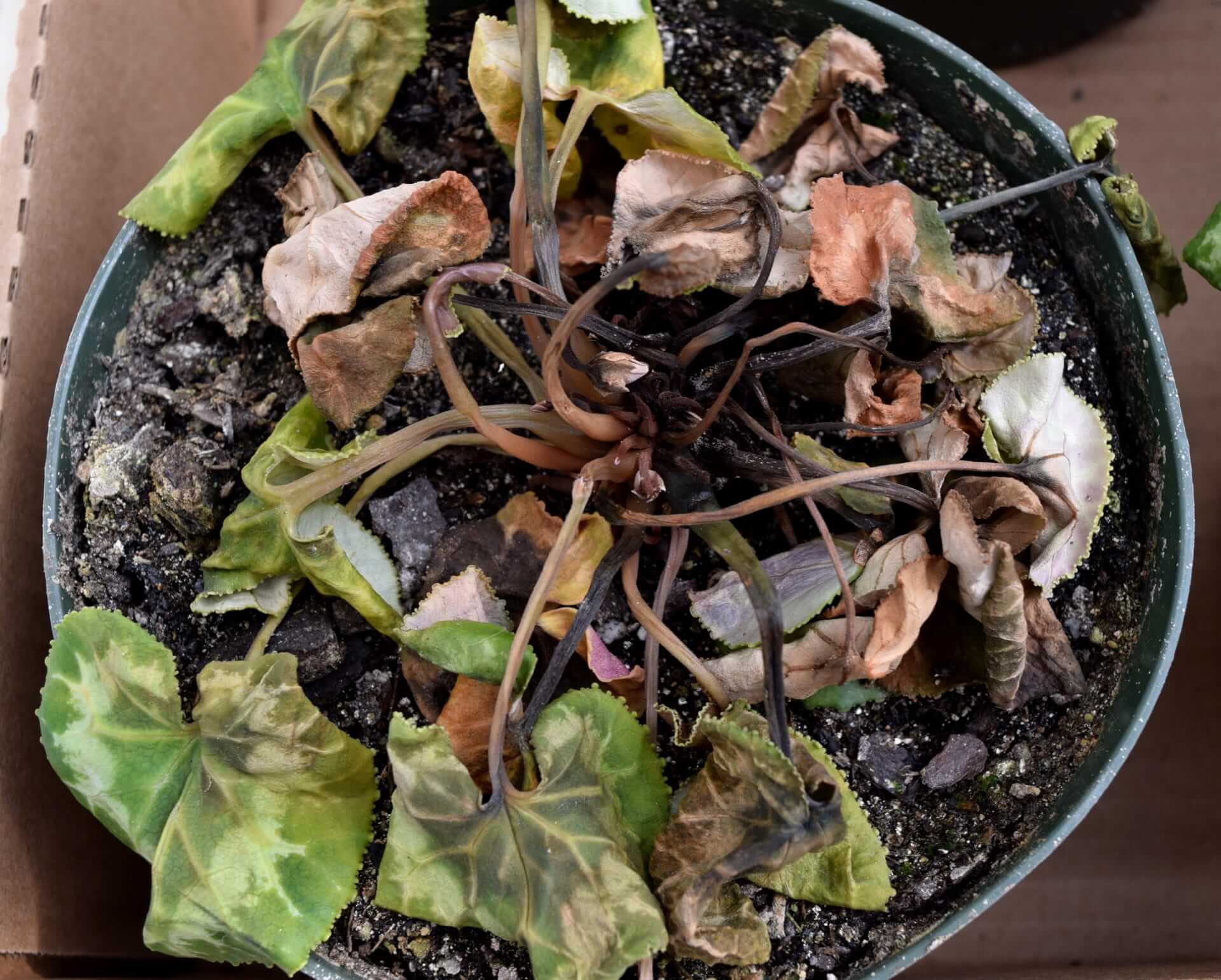

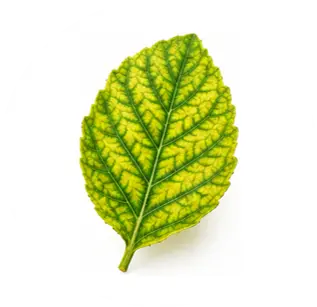
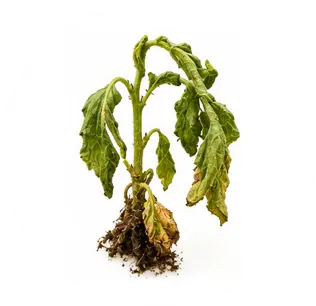
Soil-associated fungi can begin by affecting the roots or crown area of the plant, so the first symptoms may appear in the above-ground parts before the damage is evident underground. The plant may show loss of vigor, yellowing or wilting even when it receives sufficient water and nutrients, and the problem may progressively develop into lesions, rots and root loss.
Main signs:
• Wilting or decline of the plant without an apparent cause.
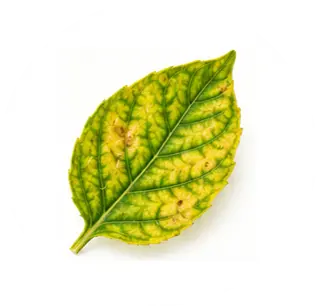
• Leaves progressively turning yellow.
• Slow growth and general loss of vigor.
• Leaves drying out and eventually falling.
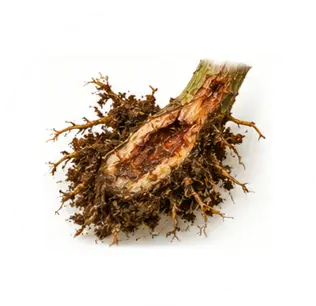
• Roots with lesions, darkened or deteriorated areas, or tissue loss.
• Soft roots and rot in certain diseases.
• Lesions or rot in the crown area.
• Plants that deteriorate especially when the substrate remains wet for a long time.
• In advanced cases, significant root loss and progressive deterioration of the plant.
Do not confuse with nematodes, nutritional deficiencies or lack of water
The condition of the roots, substrate moisture and the progression of symptoms help distinguish these causes. Problems caused by soil fungi can produce lesions and progressive deterioration of the roots, which in some diseases develop dark, soft or rotten areas. The above-ground parts may show wilting, yellowing and loss of vigor even when the substrate contains sufficient water. In certain diseases, symptoms become particularly severe when there is excess moisture because these conditions favor the development of some pathogens and hinder root respiration.
Nutritional deficiencies, on the other hand, usually appear mainly through characteristic patterns on the leaves, such as yellowing between the veins or yellowing that begins on young or old leaves depending on the nutrient affected, and they do not themselves cause root rot.
Lack of water usually causes wilting associated with dry substrate and may improve after adequate hydration is restored. If the plant remains wilted while the substrate is wet, other causes should be considered, including root problems. Nematodes can also affect the roots and cause weakening, yellowing and loss of vigor, but the type of damage depends on the species. Some produce galls, swellings, lesions or characteristic alterations of the roots, while others can cause damage without producing an obvious deformation.
Treatments to eliminate soil fungi
Fosetyl-Al is an option particularly indicated for controlling certain diseases caused by soil fungi and oomycetes that affect the roots and crown area of plants. Its ability to move within the plant allows it to protect different tissues, while also promoting the plant's natural defense mechanisms against infection.
The main recommendations and treatments are:
• Improve drainage: avoiding excess moisture in the substrate helps keep the roots in better condition and reduces conditions favorable to many soil fungi and oomycetes.
• Avoid overwatering: maintaining adequate moisture allows the roots to have sufficient aeration and promotes their recovery when they have been affected by a disease.
• Remove severely damaged parts: removing roots, stems or areas that show severe damage helps reduce affected parts and facilitates plant recovery.
• Fosetyl-Al: an effective option for certain diseases affecting the roots and crown area of the plant. Its mobility within the plant allows it to reach different tissues and also promotes natural defenses against infection. It is particularly useful when symptoms such as wilting, yellowing or loss of vigor are associated with soil diseases.
Products for treating soil fungi

Other common problems
Discover the most common problems and select the one that interests you.



Explore more tools
Services
Contact
Legal
©2023 por ZeriMar Laboratoire. Todos os direitos reservados.