

Plantas decorativas de jardín y/o interior
How to recognize and combat mildew on decorative garden and/or indoor plants
Mildew
Oomycete
Type:
Risk to the plant:
HIGH
Mildew
Pathogen:
Mildiu


WHO CAUSES IT?
Downy mildew is a disease caused by different species of oomycetes, mainly from the genera Plasmopara, Peronospora and Bremia. These pathogens are obligate parasites that affect various plants, penetrating through stomata or wounds in the tissues. Upon infection, pathogens develop a network of hyphae within plant tissues, extracting nutrients and producing asexual reproductive structures known as sporangia. These sporangia are released in conditions of high humidity, dispersing by wind or water splashes. Upon landing on susceptible surfaces, they germinate and produce motile zoospores that swim to the stomata and resume the infectious cycle. Furthermore, some oomycetes can form resistant structures such as oospores that allow their survival in adverse conditions and guarantee the persistence of the pathogen in the soil or plant remains.
.png)
SYMPTOMS
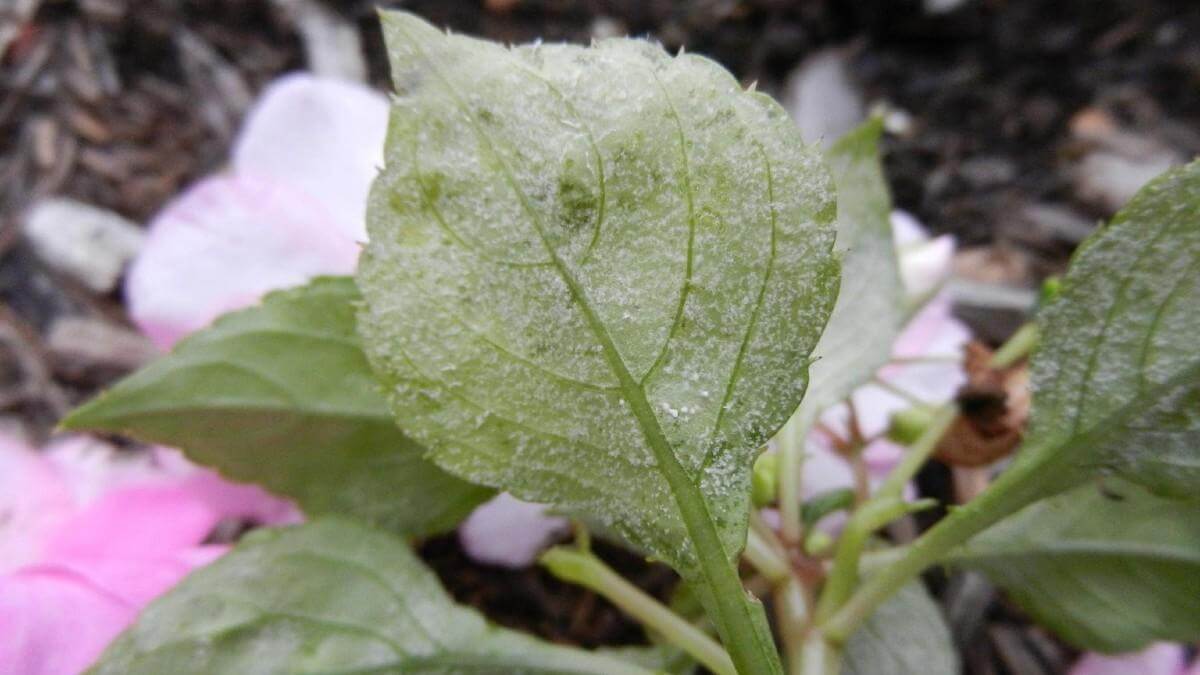
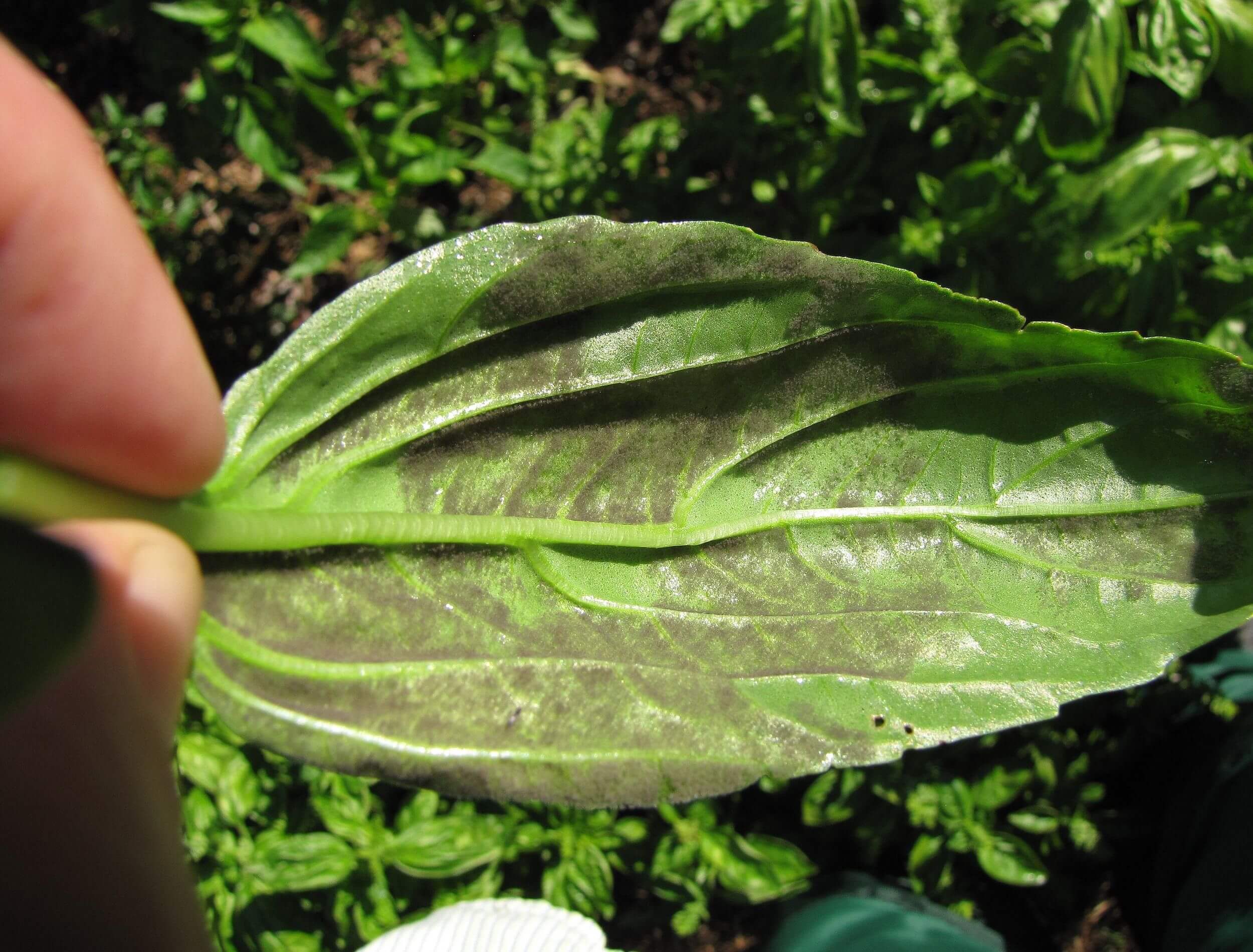
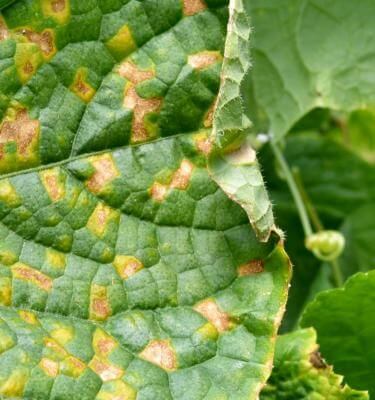
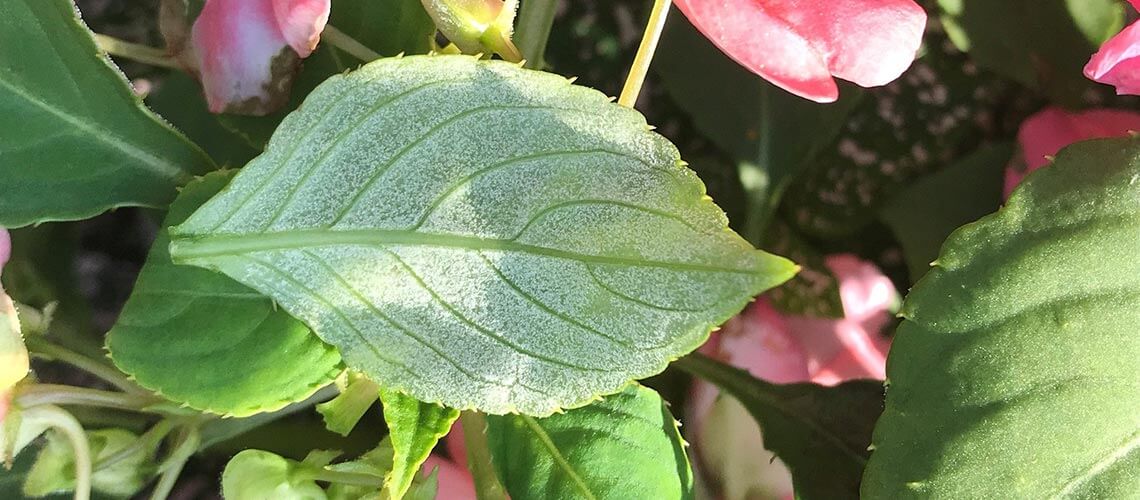
In plants, downy mildew causes varied symptoms that affect vigor and production. Initial symptoms usually include chlorotic or yellowish Taches on the surface of leaves that, over time, become necrotic and may coalesce, forming large areas of dead tissue. On the underside of the leaves, under conditions of high humidity, a cottony or powdery growth develops, characteristic of downy mildew. These areas may exude sporangia visible to the naked eye. Other symptoms include deformations in leaves, stems and fruits, as well as wilting and premature leaf fall. The disease can also affect photosynthesis and overall plant growth.
- Chlorotic Taches on leaves.
- Tissue necrosis.
- Cottony growth on the underside of the leaves.
- Deformations in leaves and stems.
- Premature fall of leaves.
- Reduction in plant growth and vigor.


DEVELOPMENT CONDITIONS
Temperature:
15°C - 25°C
Humidity:
85% - 100%

HOW IS IT SPREAD?
Spores carried by wind, water splashes, contaminated tools, infected plant remains, infested plants, direct contact between plants

HOW TO ELIMINATE IT?
Home treatments
There are no home treatments
Natural allies
Chemical treatments
There are no treatments for this disease. Treatments are directed at the insect vectors that transmit it. See insect treatments.
RECOMMENDED PRODUCTS TO ELIMINATE THE PEST
Sponsored link

Sponsored link
Sponsored link


Sponsored link
Sponsored link
Effective against all types of fungi

Sponsored link


Sponsored link
Sponsored link

Sponsored link


Sponsored link
Sponsored link
Sponsored link


Sponsored link

PLANTAS REPELENTES

RECOMMENDATIONS
OTHER PESTS THAT MAY INTEREST YOU


DID YOU LIKE IT?
Now you can always have it on your mobile, without ads and totally FREE. TRY idMicrobe NOW!


