

Frutos
How to recognize and eliminate mites on fruit
Mites
Insect
Type:
Risk to the plant:
HIGH
Different species
Pathogen:
Ácaros


WHO CAUSES IT?
Mites are small arthropods belonging primarily to the subclass Acari, within the class Arachnida. Among the species that can affect crops are various representatives of the families Tetranychidae, Eriophyidae, and Tarsonemidae, such as Tetranychus urticae, Panonychus spp., and Polyphagotarsonemus latus. These are very small organisms, generally difficult to see with the naked eye, that feed on plant tissues using mouthparts adapted to pierce cells and extract their contents. Females lay their eggs on plant surfaces or in protected areas, depending on the species. After hatching, larvae emerge, which subsequently go through several nymphal stages before reaching adulthood. In many species, development is very rapid when high temperatures prevail, and several generations can be completed in a short period. Females can produce numerous offspring, and populations increase rapidly when conditions are favorable and there are few natural enemies. Some species produce fine webs on plant parts, which serve as protection and facilitate the dispersal of individuals. Dispersal can occur through contact between plants, air currents, and the movement of plant material, tools, machinery, and workers.
.png)
SYMPTOMS
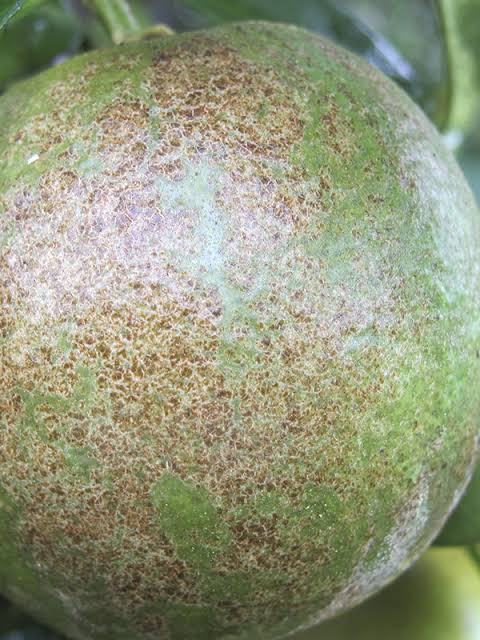
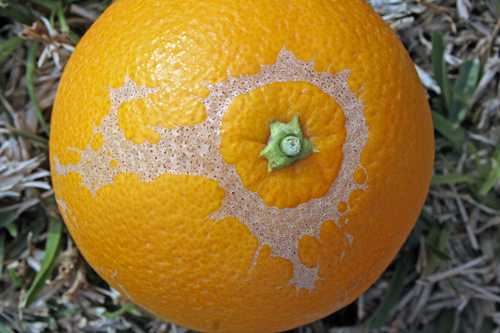
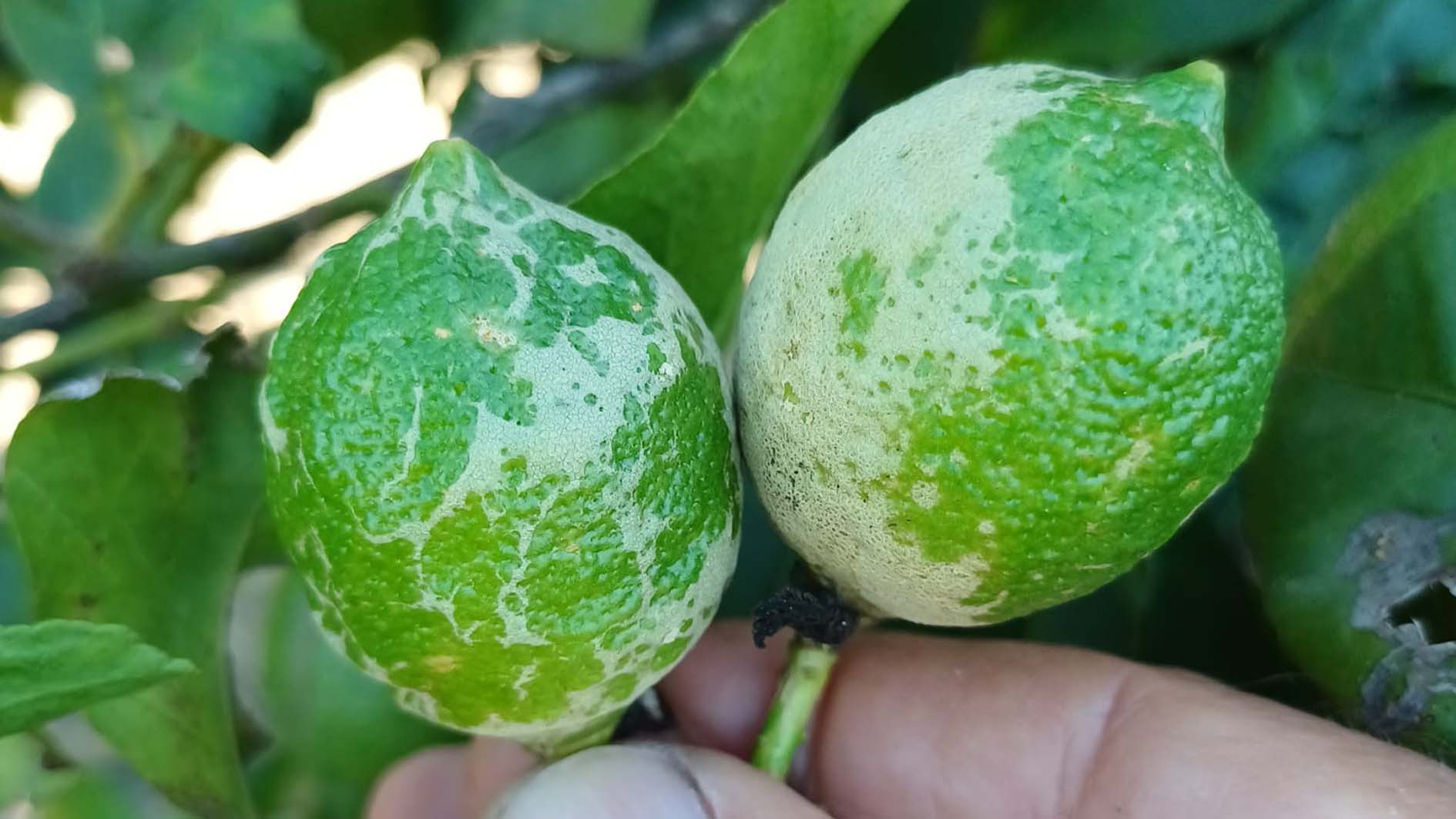
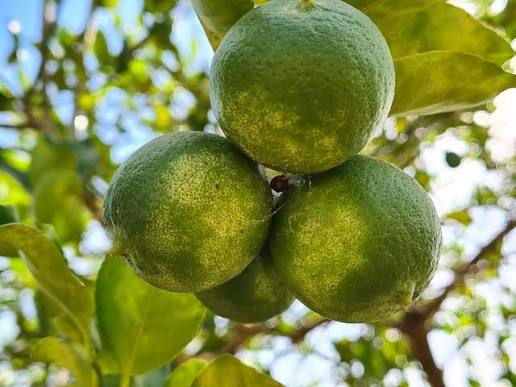
In fruit, mites cause damage primarily by feeding on the cells of surface tissues. The punctures and extraction of cell contents cause alterations in the epidermis and can affect the fruit's development and commercial appearance. Depending on the species and the intensity of the infestation, discoloration, bronzing, russeting, deformations, and surface lesions may appear. Some species can establish themselves in protected areas and cause damage that is difficult to detect during the early stages of infestation. When populations are high, the loss of functional tissue and the stress caused to the plant can reduce fruit development and quality.
• Yellowish, whitish, or silvery discoloration of the surface
• Tanning or browning of tissues
• Appearance of spots and pitting
• Rough or wrinkled appearance of the epidermis
• Russeting or formation of corky areas
• Deformations and alterations in fruit growth
• Small lesions and superficial necrosis in severe infestations
• Presence of individuals, eggs, or molts on the tissues
• Presence of fine webs in some species
• Reduction in fruit size and quality
• Premature fruit drop in severe infestations
• Loss of commercial value due to deterioration of appearance


DEVELOPMENT CONDITIONS
Temperature:
20–32 °C
Humidity:
40–80 %

HOW IS IT SPREAD?
Contact between plants, wind, air currents, transport of infested plant material, contaminated tools, agricultural machinery, workers' clothing and equipment, animals

HOW TO ELIMINATE IT?
Home treatments
There are no home treatments
Natural allies
Chemical treatments
There are no treatments for this disease. Treatments are directed at the insect vectors that transmit it. See insect treatments.
RECOMMENDED PRODUCTS TO ELIMINATE THE PEST
Sponsored link

Sponsored link
Sponsored link


Sponsored link
Sponsored link
Effective against all types of fungi

Sponsored link


Sponsored link
Sponsored link

Sponsored link


Sponsored link
Sponsored link
Sponsored link


Sponsored link

PLANTAS REPELENTES

RECOMMENDATIONS
OTHER PESTS THAT MAY INTEREST YOU


DID YOU LIKE IT?
Now you can always have it on your mobile, without ads and totally FREE. TRY idMicrobe NOW!


