

Frutos
How to recognize and combat bacterial diseases in fruit
Bacterial infection
Bacterium
Type:
Risk to the plant:
HIGH
Xanthomonas sp., Erwinia sp.
Pathogen:
Bacteriosis


WHO CAUSES IT?
Xanthomonas sp. and Erwinia sp. are phytopathogenic bacteria capable of infecting various plant species and colonizing fruit tissues. Xanthomonas belongs to a group of Gram-negative bacteria that can multiply on plant surfaces and penetrate tissues through wounds, natural openings, and damaged areas. Erwinia also includes bacteria associated with numerous plant diseases, some of which can cause watery lesions and rotting processes. These bacteria can survive for certain periods in infected plant debris, seeds, plant surfaces, soil, or reservoir plants, depending on the species. When conditions are favorable, the bacteria multiply rapidly on the tissues and reach sufficient concentrations to initiate new infections. Dispersal occurs primarily through water, rain splash or irrigation, tools, and contact between tissues and contaminated plant material. Wounds caused by insects, agricultural practices, wind, or mechanical damage particularly facilitate bacterial entry. High humidity promotes bacterial growth and dispersal on plant surfaces, while moderate or warm temperatures can accelerate the development of many species. Once established in plant tissues, some bacteria produce enzymes and other substances that degrade cellular structures, causing lesions, exudates, and, in certain species, rot.
.png)
SYMPTOMS
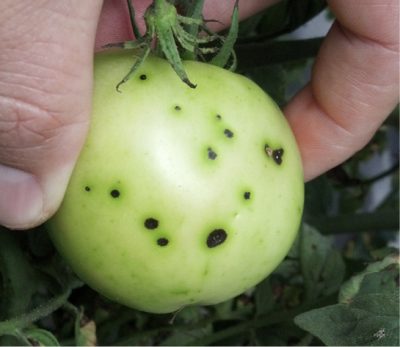
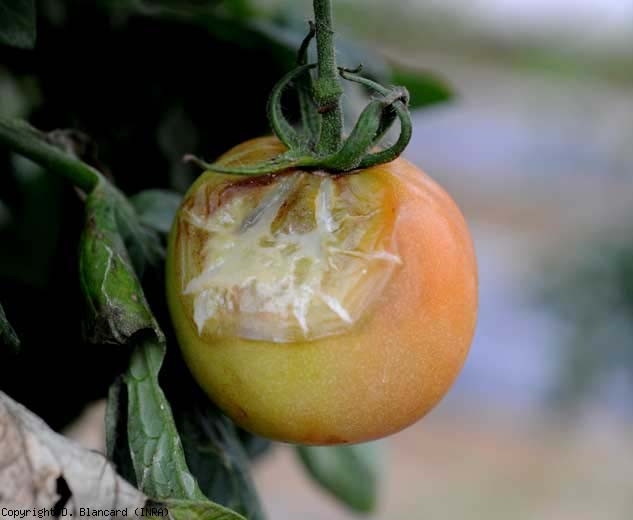
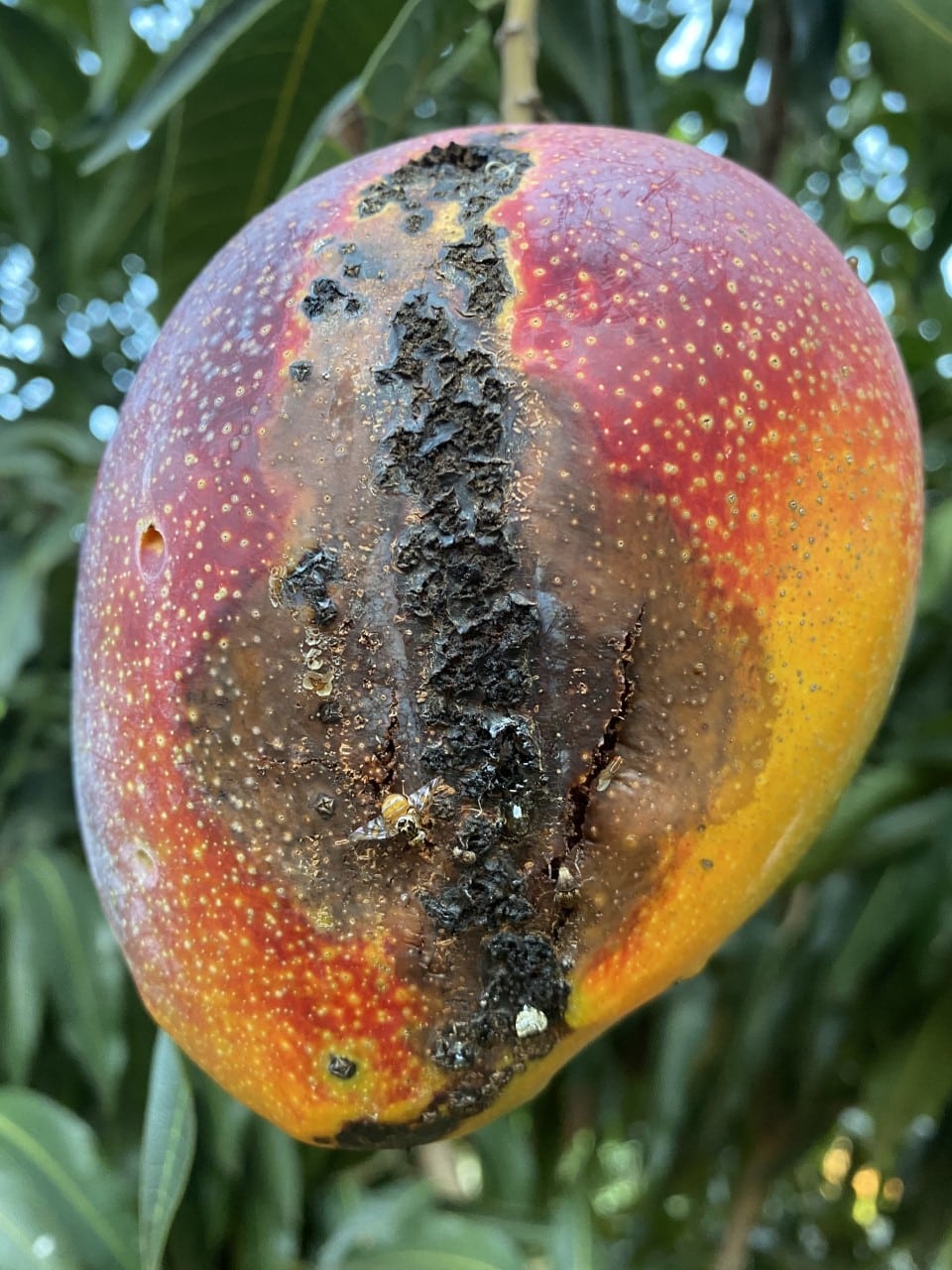
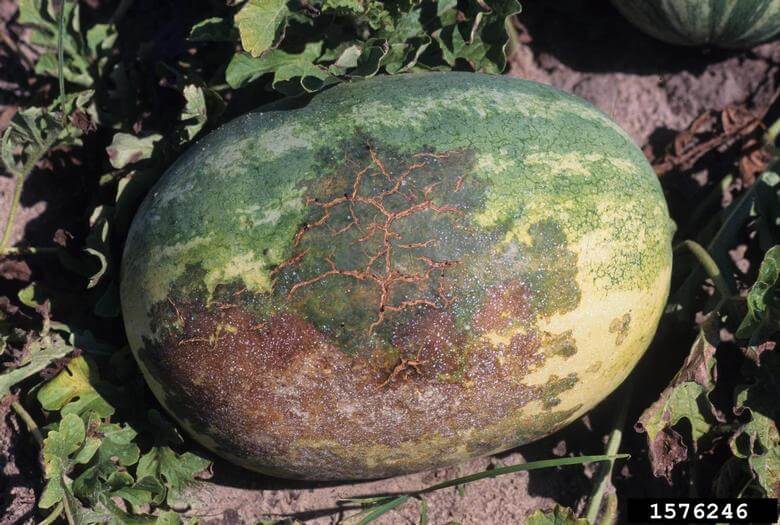
Bacterial diseases can produce lesions of varying appearance on fruit depending on the bacterial species, the crop, and environmental conditions. Infections usually begin as small spots or water-soaked lesions that subsequently increase in size and may turn brown, dark, or necrotic. Under conditions of high humidity, the lesions can spread rapidly, and some bacteria can cause softening and rotting of the tissues. Affected fruit lose commercial quality and, as the infection progresses, can deteriorate rapidly. Wounds, cracks, and damage caused by insects particularly favor the entry and spread of bacteria.
• Water-soaked, translucent, or wet-looking spots on the fruit.
• Appearance of brown, dark, or necrotic lesions.
• Formation of small depressions or sunken lesions.
• Progressive spread of the spots on the fruit surface.
• Softening of the affected tissues.
• Wet rot in advanced infections.
• Appearance of bacterial exudates under high humidity conditions.
• Cracks or lesions that facilitate the entry of secondary microorganisms.
• Premature fruit drop in severely affected fruit.
• Loss of fruit quality and commercial value.


DEVELOPMENT CONDITIONS
Temperature:
20-30 °C
Humidity:
80-100 %

HOW IS IT SPREAD?
Water, Rain, Irrigation, Splashes, Contaminated tools, Infected plant material, Contaminated seeds, Insects, Wounds

HOW TO ELIMINATE IT?
Home treatments
There are no home treatments
Natural allies
Chemical treatments
There are no treatments for this disease. Treatments are directed at the insect vectors that transmit it. See insect treatments.
RECOMMENDED PRODUCTS TO ELIMINATE THE PEST
Sponsored link

Sponsored link
Sponsored link


Sponsored link
Sponsored link
Effective against all types of fungi

Sponsored link


Sponsored link
Sponsored link

Sponsored link


Sponsored link
Sponsored link
Sponsored link


Sponsored link

PLANTAS REPELENTES

RECOMMENDATIONS
OTHER PESTS THAT MAY INTEREST YOU


DID YOU LIKE IT?
Now you can always have it on your mobile, without ads and totally FREE. TRY idMicrobe NOW!


