

Frutos
How to recognize and correct boron deficiency in fruit
Boron Deficiency
Nutritional disorder
Type:
Risk to the plant:
INTERMEDIATE
-
Pathogen:
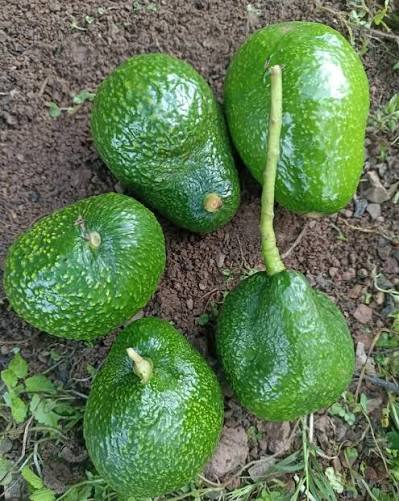
Deficiencia de Boro


WHO CAUSES IT?
Boron is an essential micronutrient for normal plant development, and unlike a disease caused by a pathogen, its deficiency does not have a process of reproduction or biological transmission. Boron is primarily involved in the formation and stability of cell walls, cell division and expansion, the growth of young tissues, the development of reproductive structures, and the transport and utilization of certain sugars and other compounds within the plant. Plants absorb boron mainly in the form of boric acid through their roots from the soil solution, and its availability depends on factors such as pH, soil texture, organic matter content, moisture, and the presence of other elements. Once absorbed, boron has limited mobility in many species, so young tissues, growing points, flowers, and developing fruits can suffer the consequences of insufficient supply. Deficiency usually occurs when the amount of boron available in the soil is insufficient to meet the plant's needs or when, even if boron is present in the soil, environmental conditions hinder its absorption. Drought or irregular irrigation can significantly reduce nutrient availability, while certain pH levels and very sandy soils can promote nutrient loss or decrease its uptake. As the deficiency persists, the formation of new tissues and reproductive structures is impaired, potentially affecting fruit set, growth, and quality. The severity of the problem depends on the plant species, variety, stage of development, and soil and irrigation conditions.
.png)
SYMPTOMS
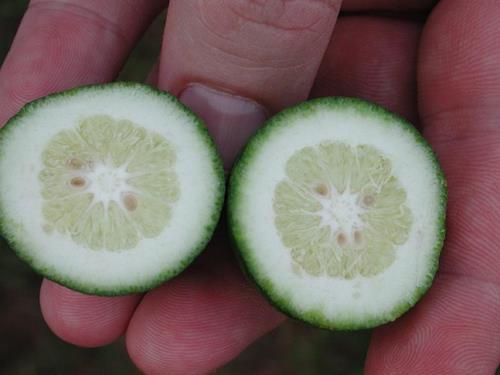
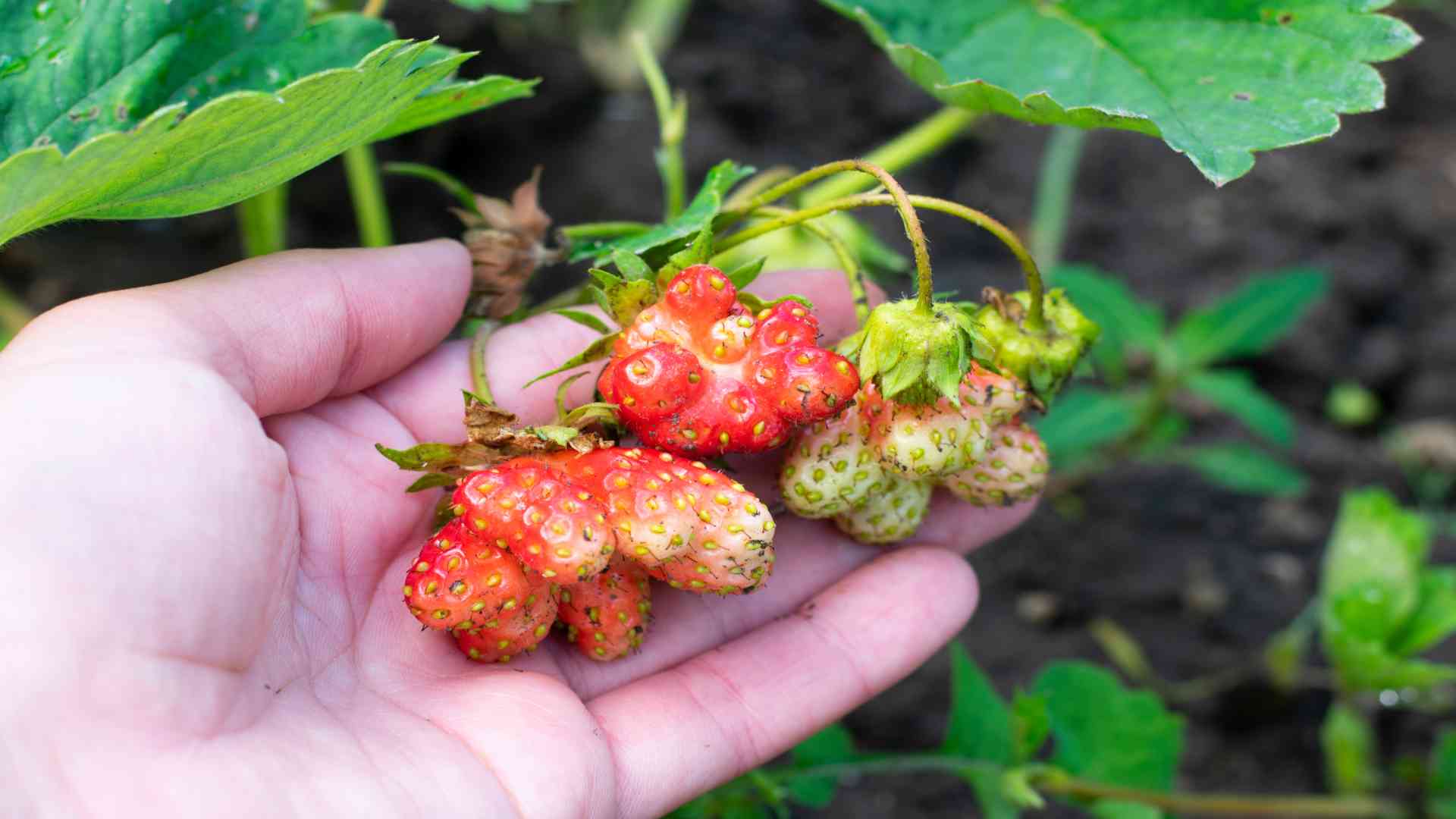
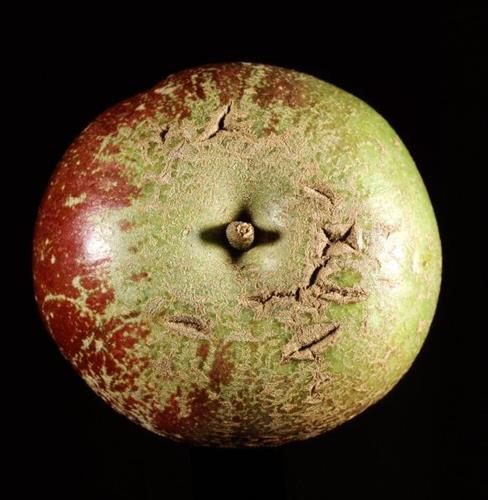
Boron deficiency in fruit manifests primarily during its formation and growth, as this micronutrient is especially important for proper cell division and development, as well as for the formation of reproductive tissues. When boron supply is insufficient, fruit may exhibit irregular development, alterations in shape and size, and reduced quality. In more severe cases, deformities, hardened or necrotic areas, and growth problems may appear, along with reduced fruit set and a greater tendency for young fruit to drop. The intensity of symptoms can vary considerably depending on the crop and the degree of deficiency.
• Small or stunted fruit
• Deformities and irregular development
• Fruit with asymmetrical or abnormal shape
• Hardened, corky, or necrotic areas
• Internal tissue alterations
• Cracking or malformations in certain species
• Uneven ripening
• Reduced commercial quality
• Premature fruit drop
• Reduced fruit set and yield


DEVELOPMENT CONDITIONS
Temperature:
-
Humidity:
-

HOW IS IT SPREAD?
-

HOW TO ELIMINATE IT?
Home treatments
There are no home treatments
Natural allies
Chemical treatments
There are no treatments for this disease. Treatments are directed at the insect vectors that transmit it. See insect treatments.
RECOMMENDED PRODUCTS TO ELIMINATE THE PEST
Sponsored link

Sponsored link
Sponsored link


Sponsored link
Sponsored link
Effective against all types of fungi

Sponsored link


Sponsored link
Sponsored link

Sponsored link


Sponsored link
Sponsored link
Sponsored link


Sponsored link

PLANTAS REPELENTES

RECOMMENDATIONS
OTHER PESTS THAT MAY INTEREST YOU


DID YOU LIKE IT?
Now you can always have it on your mobile, without ads and totally FREE. TRY idMicrobe NOW!


