

Frutos
How to recognize and combat beetle pests in fruit
Beetles
Insect
Type:
Risk to the plant:
HIGH
Different species
Pathogen:
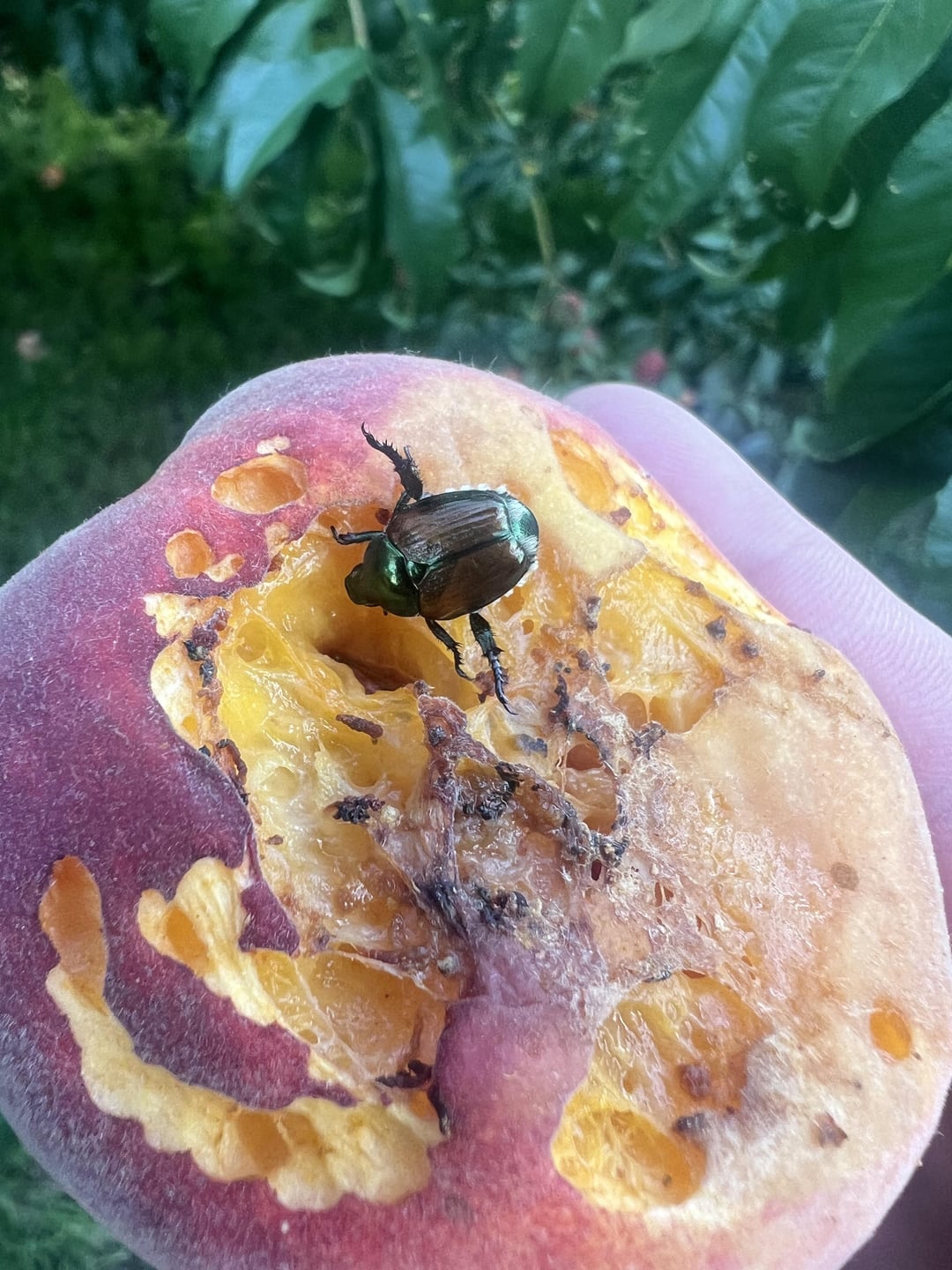
Escarabajos


WHO CAUSES IT?
Plant-eating beetles comprise numerous species of Coleoptera capable of feeding on different parts of plants, including fruits. Depending on the species, they may belong to families such as Chrysomelidae, Curculionidae, Scarabaeidae, Nitidulidae, or Coccinellidae, although not all species in these groups are harmful. Adults typically feed directly on plant tissues, while larvae may develop in the soil, inside fruits, in roots, stems, or decaying plant matter, depending on the species. Females lay their eggs in suitable locations so that the larvae can find food immediately after hatching. After several larval stages, the larvae reach the pupal stage, and the adults subsequently emerge. Some species produce only one generation per year, while others can complete several generations when temperatures are favorable. Adults can move by flight between different plants and plots, facilitating the colonization of new crops. Some species can also survive unfavorable periods by taking refuge in the soil, plant debris, bark, organic matter, or other sheltered places. The activity of many beetles increases with moderate to high temperatures and the availability of food. Feeding injuries can appear on both young and mature fruit, and in addition to direct damage, these wounds can facilitate the entry of fungi and bacteria. The presence of ripe fruit, plant debris, and other food sources can encourage the persistence and reproduction of certain species within or around the crop.
.png)
SYMPTOMS
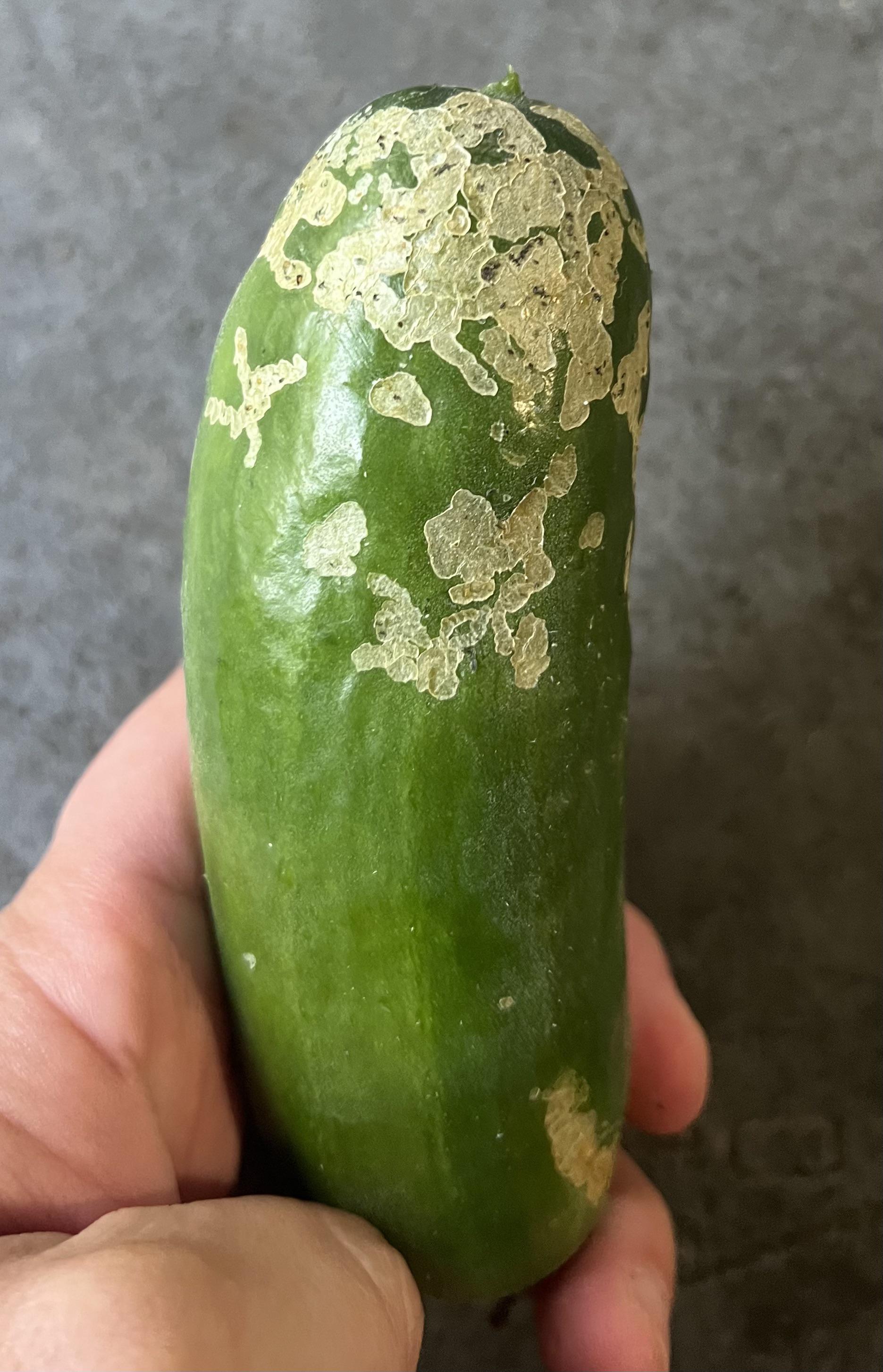
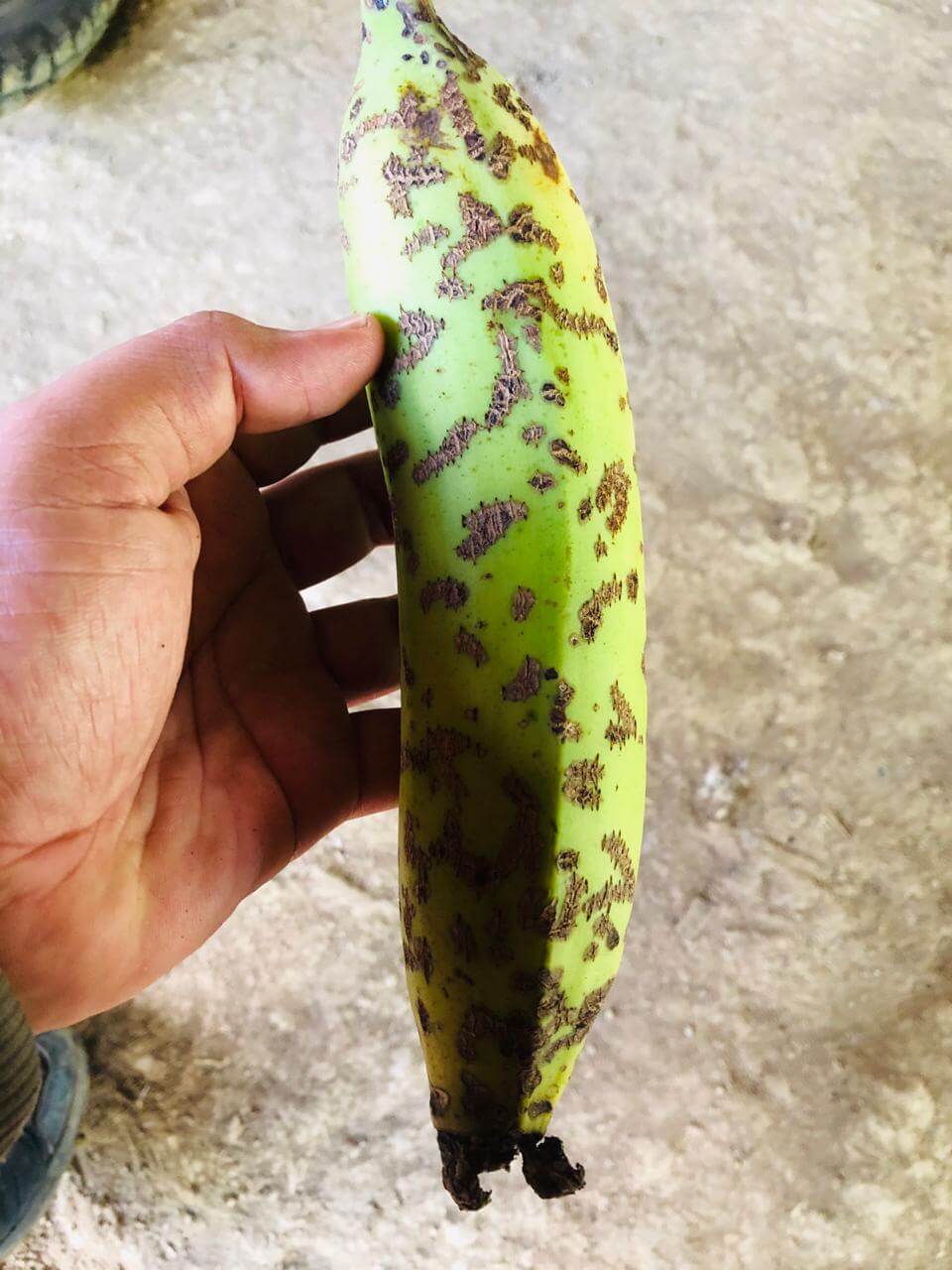
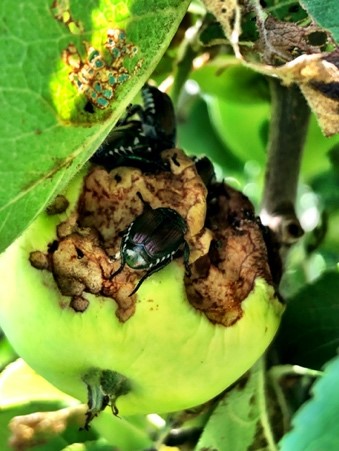
Beetles can cause direct damage to fruit through biting, perforation, and consumption of the epidermis and internal tissues. The severity of the damage depends on the species, the number of individuals present, and the stage of fruit development. Lesions can significantly reduce commercial quality, especially in fruit intended for fresh consumption. Wounds can also facilitate the entry of secondary microorganisms and promote rotting. In severe infestations, numerous damaged, deformed, or tissue-losing fruits may appear, leading to significant economic losses.
• Perforations and holes of varying sizes on the fruit surface.
• Biting and tissue loss in the epidermis.
• Appearance of gnawed or partially consumed areas.
• Sunken or irregular lesions around feeding points.
• Presence of scars and deformations during fruit growth.
• Appearance of brown or necrotic spots around the wounds.
• Loss of visual and commercial quality.
• Secondary rots caused by fungi or bacteria that penetrate through wounds.
• Premature fruit drop when damage is severe.
• Presence of larvae or galleries inside certain fruits, depending on the species.
• Reduction in the commercial value of the harvest.


DEVELOPMENT CONDITIONS
Temperature:
20-30 °C
Humidity:
60-90 %

HOW IS IT SPREAD?
Adult flight, Movement between plants, Spontaneous vegetation, Infested plant material, Plant debris, Infested soil, Accidental transport of insects

HOW TO ELIMINATE IT?
Home treatments
There are no home treatments
Natural allies
Chemical treatments
There are no treatments for this disease. Treatments are directed at the insect vectors that transmit it. See insect treatments.
RECOMMENDED PRODUCTS TO ELIMINATE THE PEST
Sponsored link

Sponsored link
Sponsored link


Sponsored link
Sponsored link
Effective against all types of fungi

Sponsored link


Sponsored link
Sponsored link

Sponsored link


Sponsored link
Sponsored link
Sponsored link


Sponsored link

PLANTAS REPELENTES

RECOMMENDATIONS
OTHER PESTS THAT MAY INTEREST YOU


DID YOU LIKE IT?
Now you can always have it on your mobile, without ads and totally FREE. TRY idMicrobe NOW!


