

Frutos
How to recognize and correct the damage caused by water stress in fruit
Water stress
Environmental stress
Type:
Risk to the plant:
INTERMEDIATE
-
Pathogen:
Estrés ambiental


WHO CAUSES IT?
Water stress is a physiological disorder caused by an imbalance between the amount of water a plant loses and the amount of water it can absorb and transport to its tissues. The problem arises primarily when water availability in the soil is insufficient, although it can also occur when roots are damaged, the soil has poor drainage, there is high salinity, or environmental conditions cause water loss exceeding the plant's absorption capacity. When available water decreases, the water potential of the soil, and subsequently that of the plant tissues, is reduced, hindering the maintenance of cell turgor. The plant responds by partially closing its stomata to decrease water loss through transpiration, but this response also limits carbon dioxide uptake and can reduce photosynthetic activity. In prolonged situations, the plant redistributes its resources and prioritizes the survival of essential organs over the development of flowers and fruit. Developing fruits have a high water demand and can be particularly affected when there are significant fluctuations between dry periods and abundant rainfall. Prolonged drought can lead to reduced growth, while rehydration following a period of water deficit can cause rapid tissue expansion, which may lead to cracking in certain fruits. The severity of the problem depends on the duration and severity of the deficit, the species and variety, the phenological stage, the soil's water retention capacity, the depth and health of the root system, and temperature and atmospheric demand conditions. There is no infection, reproduction, or spread of a causal organism; therefore, there is no biological transmission process similar to that of a disease caused by fungi, bacteria, or viruses.
.png)
SYMPTOMS
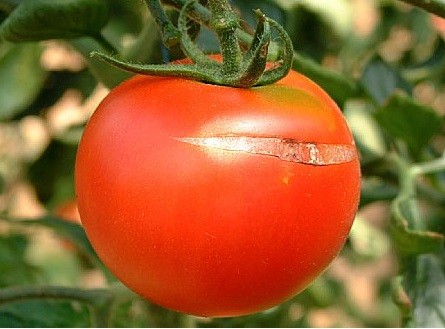
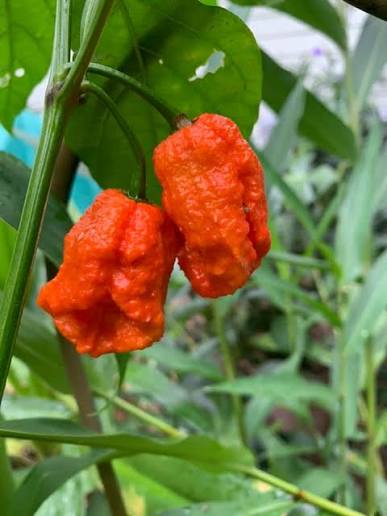
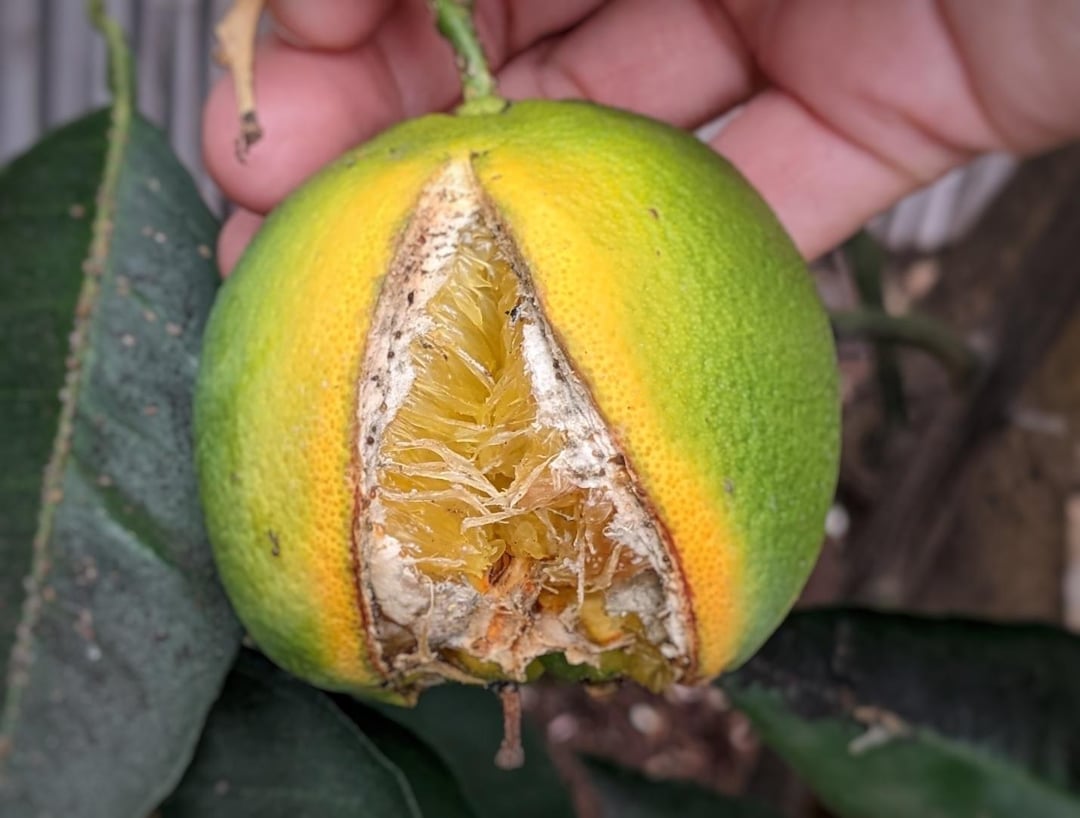
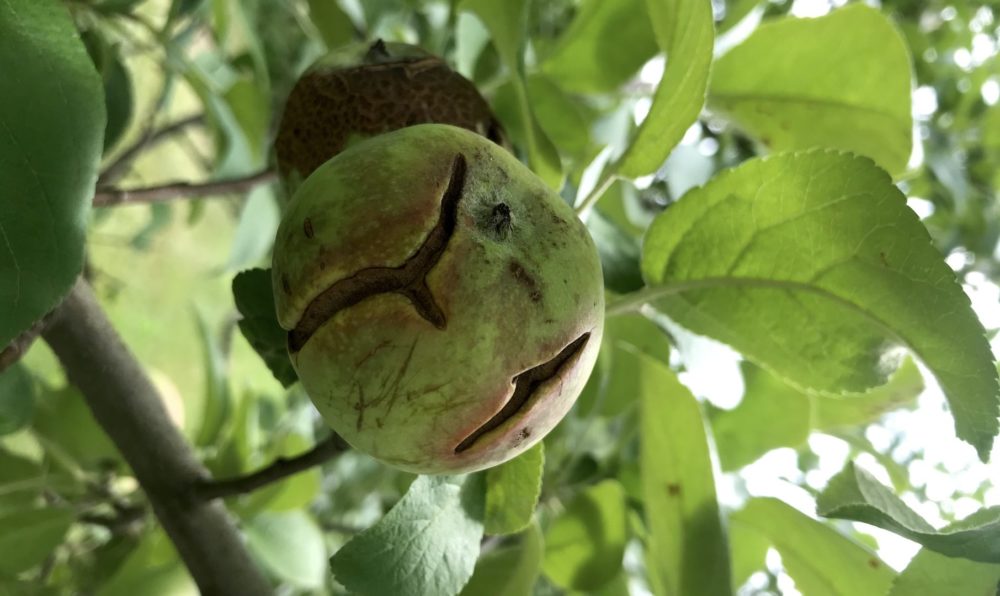
Water stress in fruit occurs when the water supply is insufficient to adequately maintain tissue growth and water balance. It can appear at any stage of development, but is particularly detrimental during rapid growth, fruit set, and ripening. Prolonged water deficit can reduce final fruit size, slow growth, and lead to loss of turgor and dehydration. When stress alternates with periods of abundant irrigation, abrupt changes in water content can cause rapid tissue expansion and promote surface cracking and fissures. In some crops, premature fruit drop, uneven ripening, and changes in firmness may also occur. Affected fruit may exhibit lower commercial quality and increased susceptibility to secondary damage. Under severe stress conditions, water loss can lead to partial tissue drying and compromise normal fruit development. Symptoms can vary depending on the species and stage of development, but are generally directly related to water loss, reduced growth, or abrupt fluctuations in hydration. Dehydration / Small fruit / Fruit cracking / Deformation / Loss of firmness / Uneven ripening / Wilting / Tissue drying / Premature fruit drop


DEVELOPMENT CONDITIONS
Temperature:
-
Humidity:
-

HOW IS IT SPREAD?
-

HOW TO ELIMINATE IT?
Home treatments
There are no home treatments
Natural allies
Chemical treatments
There are no treatments for this disease. Treatments are directed at the insect vectors that transmit it. See insect treatments.
RECOMMENDED PRODUCTS TO ELIMINATE THE PEST
Sponsored link

Sponsored link
Sponsored link


Sponsored link
Sponsored link
Effective against all types of fungi

Sponsored link


Sponsored link
Sponsored link

Sponsored link


Sponsored link
Sponsored link
Sponsored link


Sponsored link

PLANTAS REPELENTES

RECOMMENDATIONS
OTHER PESTS THAT MAY INTEREST YOU


DID YOU LIKE IT?
Now you can always have it on your mobile, without ads and totally FREE. TRY idMicrobe NOW!


