


Melocotón, durazno o nectarina
How to recognize and combat false codling moths in peaches, nectarines, or niacin
False Codling Moth
Insect
Type:
Risk to the plant:
CRITICAL (Quarantine Agency)
Thaumatotibia Leucotreta
Pathogen:
Polillas


WHO CAUSES IT?
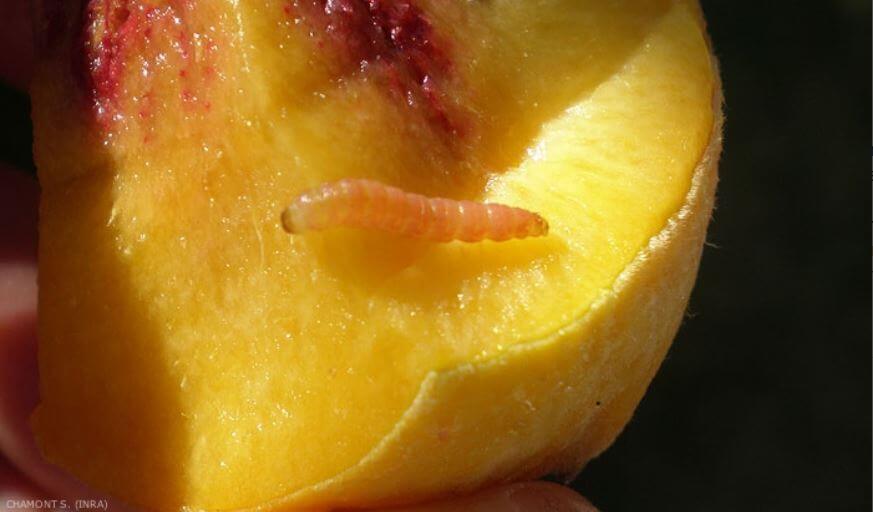
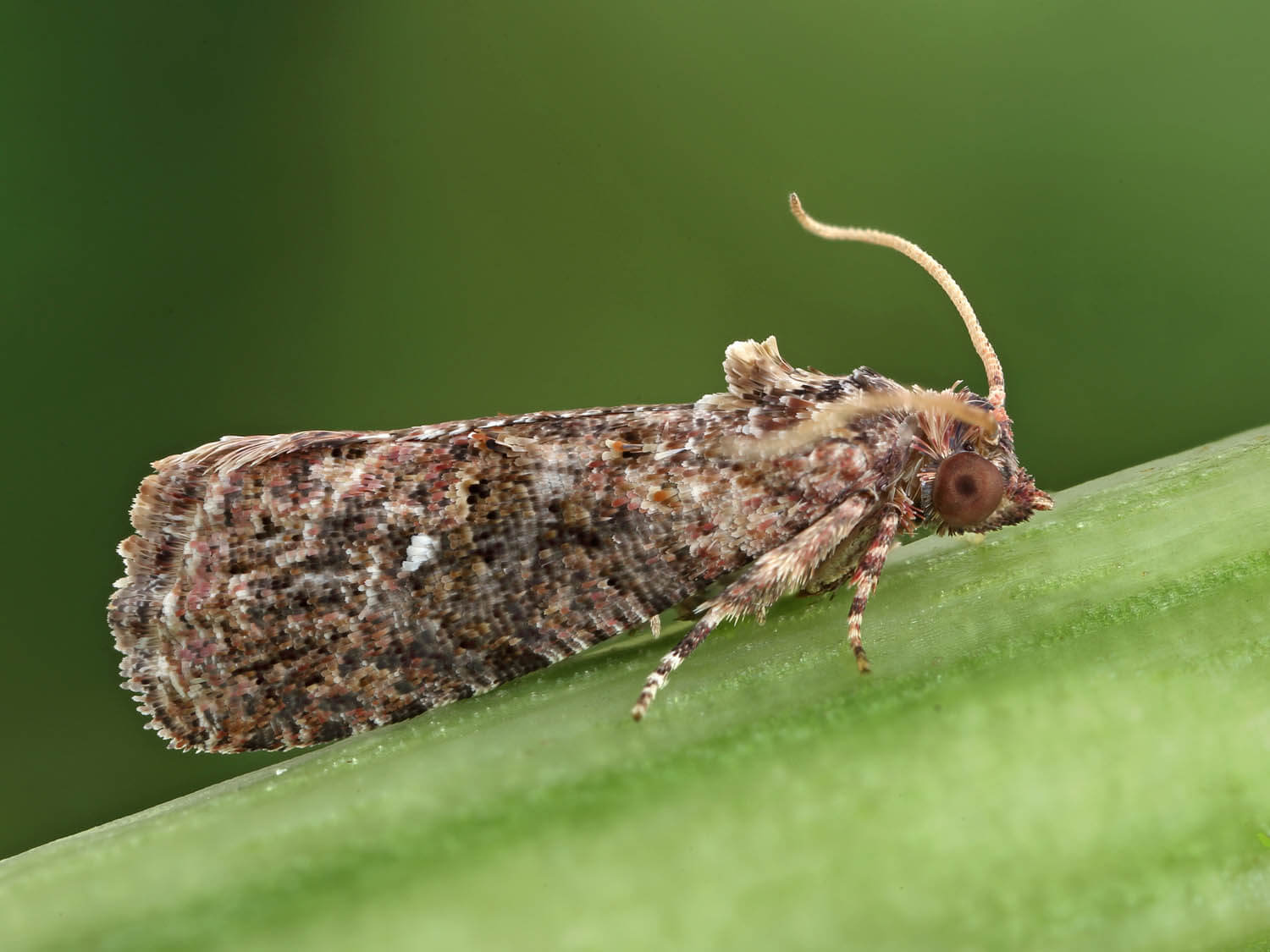
Thaumatotibia leucotreta, also known as false codling moth, is a pest that affects a wide range of crops, including peach. It is a moth native to sub-Saharan Africa that has spread to other regions of the world. Their larvae feed on developing peach fruits, causing significant damage to fruit production and quality.

SYMPTOMS
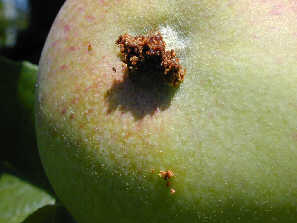
In peach, Thaumatotibia leucotreta infestation can cause a series of worrying symptoms. Among the most common signs are the presence of entrance holes in the skin of the fruit, the formation of galleries or tunnels inside, and the appearance of rot and decomposition of the affected tissue. These symptoms can result in loss of yield and quality of peaches.


DEVELOPMENT CONDITIONS
Temperature:
25°C - 30°C
Humidity:
60% - 80%

HOW IS IT SPREAD?
Natural dispersal by moth flight, human transport, contaminated plant material.

HOW TO ELIMINATE IT?
Home treatments
There are no home treatments
Natural allies
Chemical treatments
There are no treatments for this disease. Treatments are directed at the insect vectors that transmit it. See insect treatments.
RECOMMENDED PRODUCTS TO ELIMINATE THE PEST





PLANTAS REPELENTES

RECOMMENDATIONS
OTHER PESTS THAT MAY INTEREST YOU


DID YOU LIKE IT?
Now you can always have it on your mobile, without ads and totally FREE. TRY idMicrobe NOW!



Explore more tools
Services
Contact
Legal
©2023 por ZeriMar Laboratoire. Todos los derechos reservados.