


Plantas decorativas de jardín y/o interior
How to recognize and combat vascular fungi in decorative garden and/or indoor plants
Vascular diseases
Fungus
Type:
Risk to the plant:
ALTO
Fusarium, Verticillium, Phytophthora, Pythium
Pathogen:
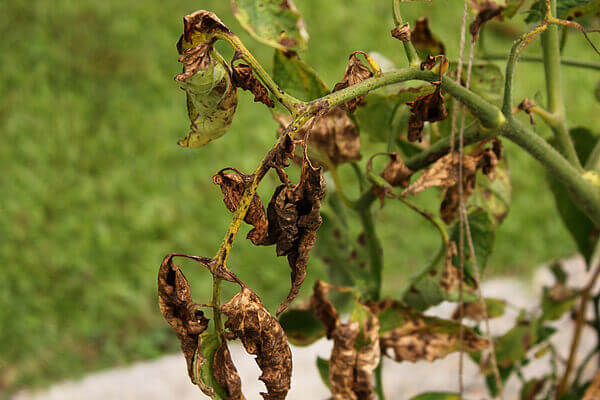
Fusariosis


WHO CAUSES IT?
Vascular fungi are a group of pathogens that infect the plant's vascular system, primarily the xylem, hindering the transport of water and nutrients from the roots to the rest of the plant. Among the most important genera are Fusarium, Verticillium, Phytophthora, Pythium, and Botryosphaeria, responsible for some of the most destructive diseases in numerous crops. These pathogens generally enter through the roots, the crown, or wounds, colonizing the vascular system and spreading throughout the plant. During their development, they can produce spores and resistant structures capable of surviving for long periods in the soil, plant debris, or infected tissues. Invasion of the vascular system causes blockage of the vessels by mycelium, spores, and the plant's own defense mechanisms, reducing the transport of water and nutrients. As a result, symptoms of wilting, decline, branch dieback, and, in the most severe cases, plant death appear.
.png)
SYMPTOMS
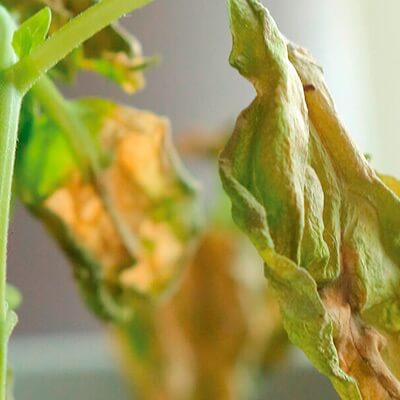
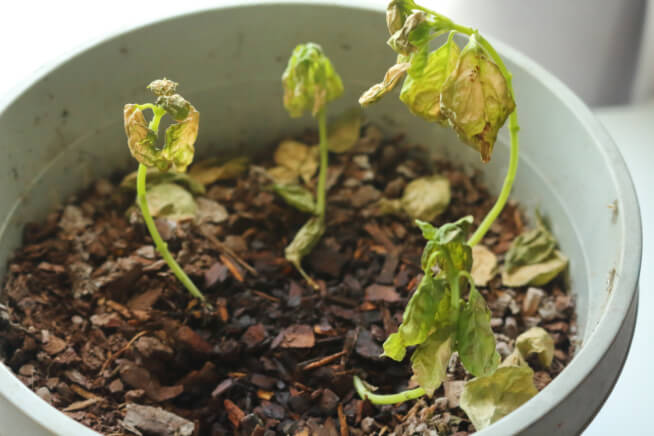
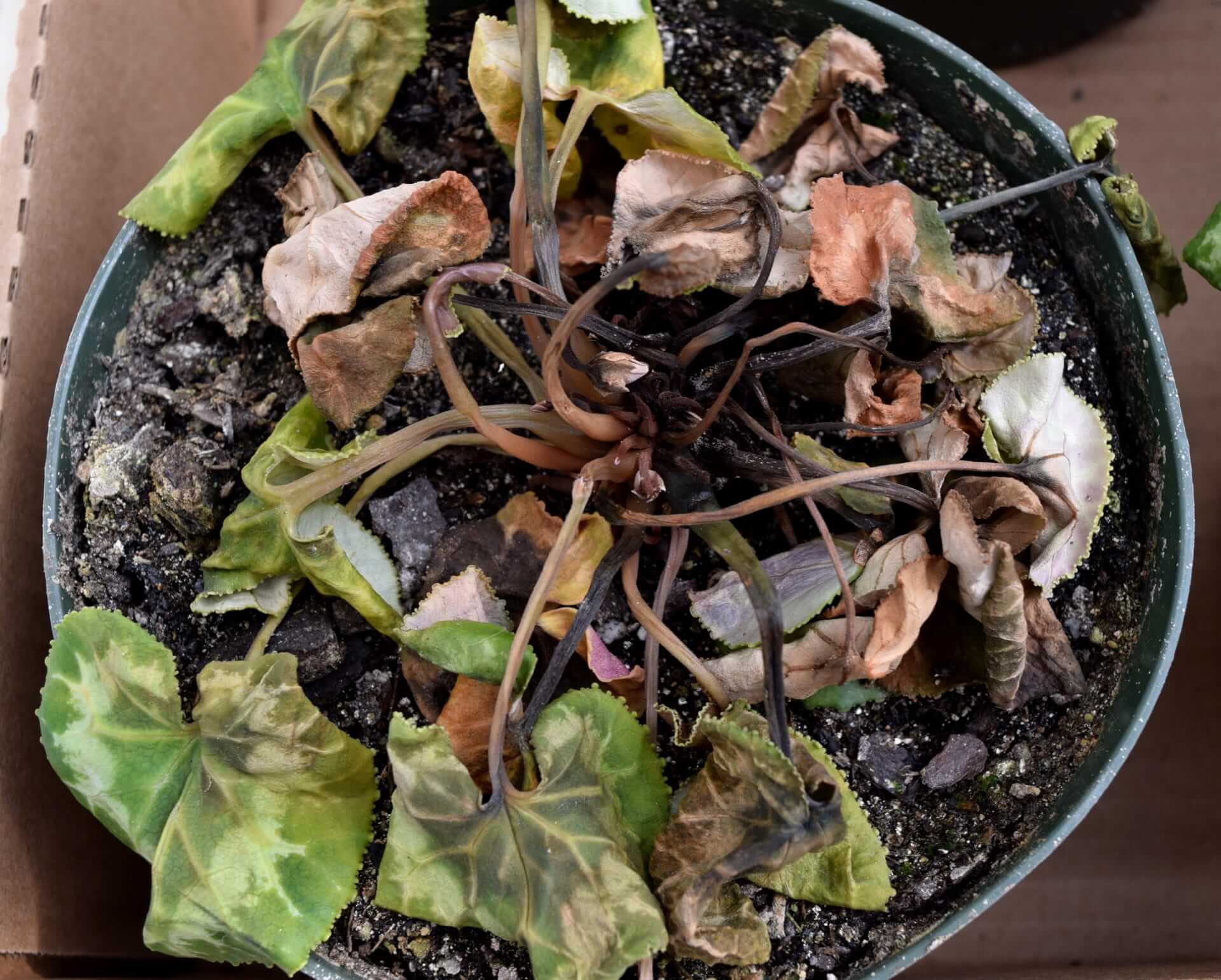
Vascular diseases cause a progressive disruption of water and nutrient transport within the plant. The first symptoms usually appear in leaves and shoots, later progressing to general weakening. Internal discoloration of the vascular tissue is frequently observed, visible when cuts are made in stems or branches. Depending on the pathogen and the crop, the progression can be slow or very rapid, causing significant yield losses and even plant death.
• Progressive wilting of leaves and shoots
• Yellowing or chlorosis of leaves
• Necrosis of leaves and branches
• General decline of the plant
• Darkening or browning of the vascular tissue
• Reduced growth
• Partial drying of branches or shoots
• Premature defoliation
• Plant death in advanced infections


DEVELOPMENT CONDITIONS
Temperature:
24°C - 30°C
Humidity:
65% - 90%

HOW IS IT SPREAD?
Irrigation water, Contaminated soil, Infected plant debris, Agricultural tools, Wind, Insect vectors, Contaminated seeds

HOW TO ELIMINATE IT?
Home treatments
There are no home treatments
Natural allies
Chemical treatments
There are no treatments for this disease. Treatments are directed at the insect vectors that transmit it. See insect treatments.
RECOMMENDED PRODUCTS TO ELIMINATE THE PEST

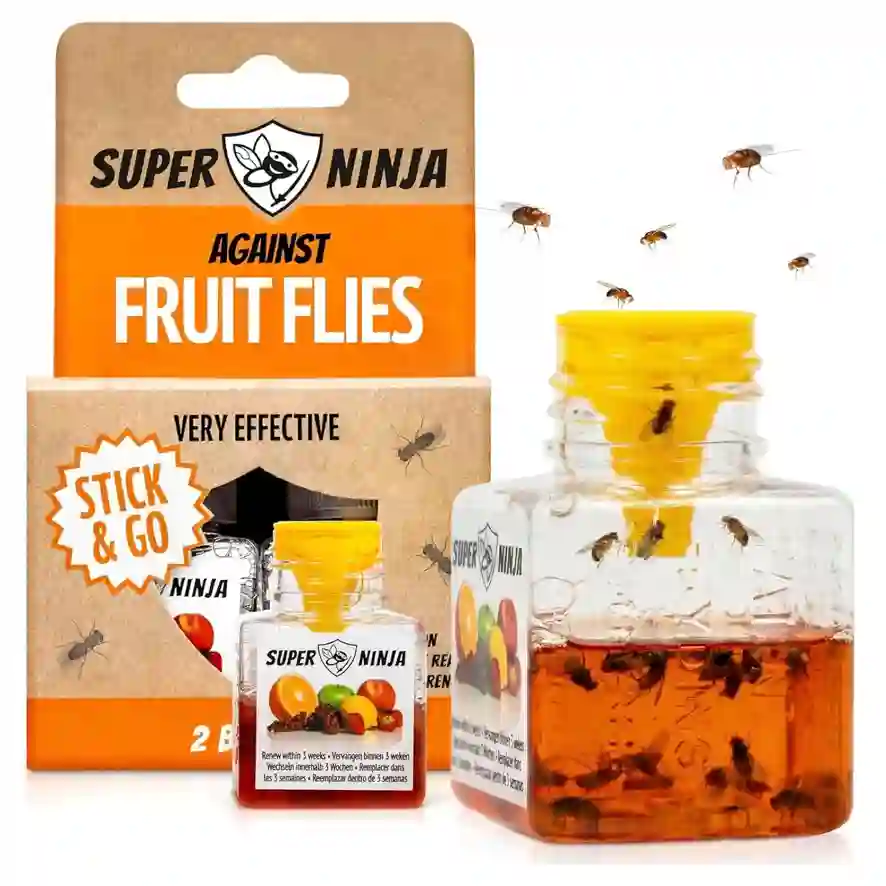
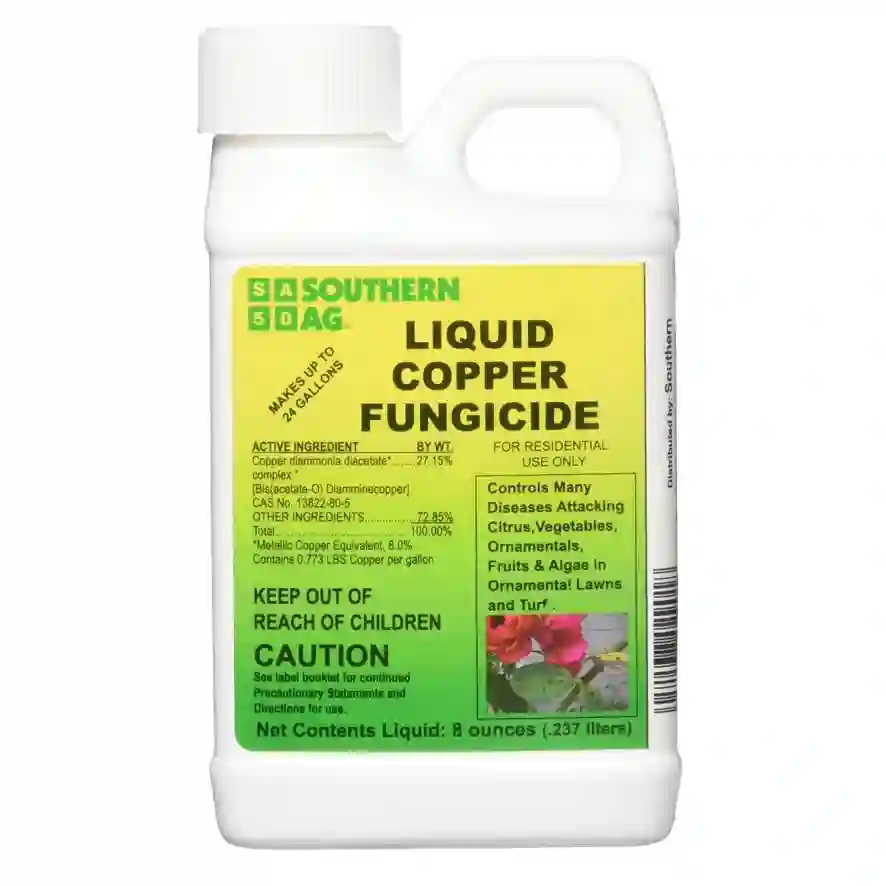


PLANTAS REPELENTES

RECOMMENDATIONS
OTHER PESTS THAT MAY INTEREST YOU


DID YOU LIKE IT?
Now you can always have it on your mobile, without ads and totally FREE. TRY idMicrobe NOW!



Explore more tools
Services
Contact
Legal
©2023 por ZeriMar Laboratoire. Todos los derechos reservados.