

Frutos
How to recognize and eliminate lice or scale insects on fruit
Lice or scales
Insect
Type:
Risk to the plant:
HIGH
Different species
Pathogen:
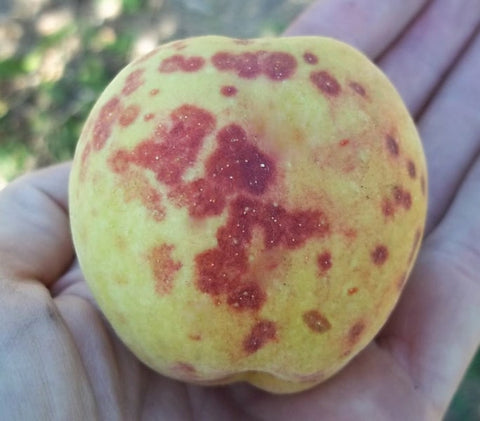
Escamas


WHO CAUSES IT?
Lice, or scale insects, are insects belonging primarily to the order Hemiptera, which includes numerous species from the families Diaspididae, Coccidae, Pseudococcidae, and other scale insect families. They are small, phytophagous insects that feed by sucking sap from plant tissues using specialized mouthparts. Depending on the group, adult females may remain practically immobile and be protected by a waxy covering, a hardened scale, or cottony secretions, while adult males are usually small and mobile, with a primarily reproductive function. Females may lay eggs under their protective covering or directly produce juvenile forms. After hatching, nymphs emerge, which are especially mobile during the first instar, known in many groups as dispersal stages. These nymphs seek suitable tissues to feed on and subsequently settle, passing through different stages until reaching maturity. In some species, several generations can occur per year, especially under warm conditions. Populations can persist on the plant for extended periods and increase progressively, while forms protected by shields, waxes, or secretions are more difficult to reach with phytosanitary treatments. Dispersal can occur through mobile individuals, wind, contact between plants, and the transport of infested plant material.
.png)
SYMPTOMS
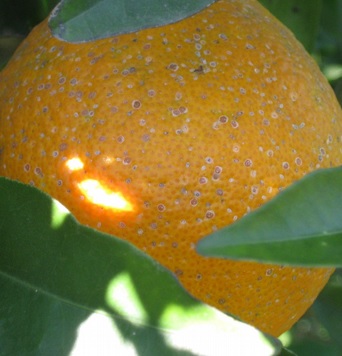
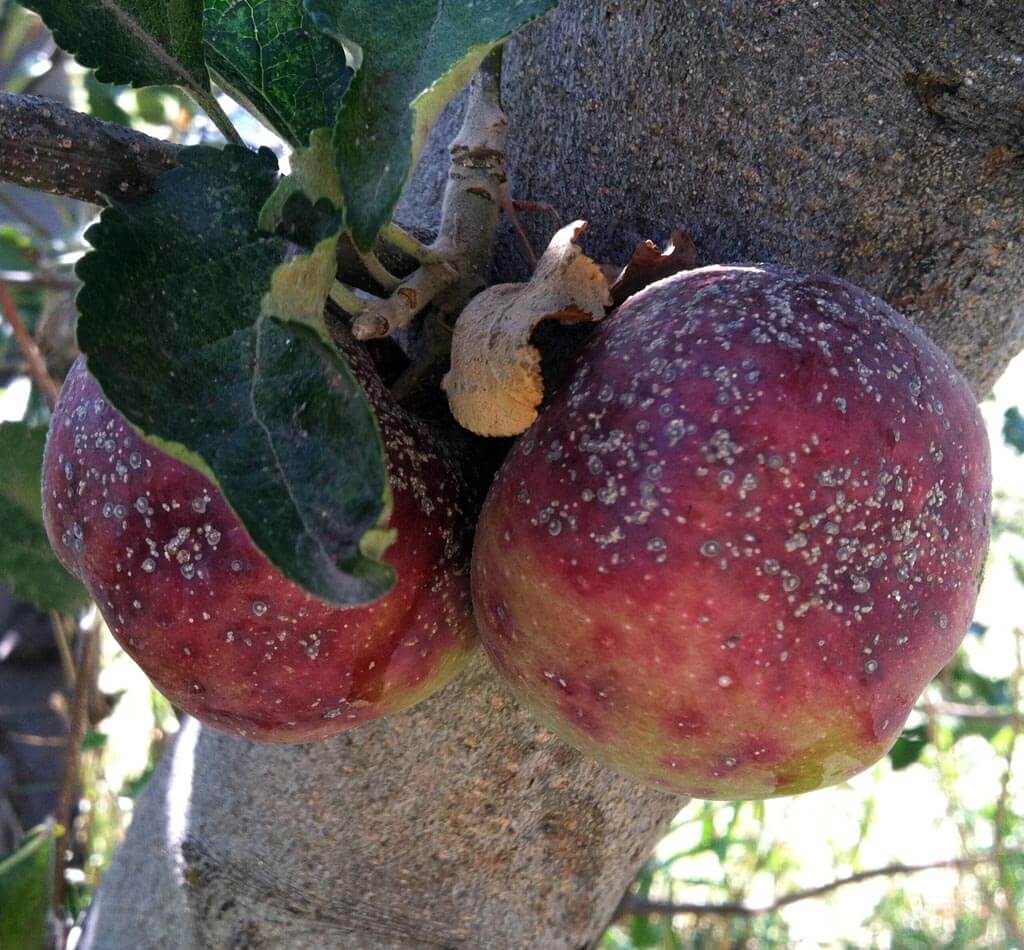
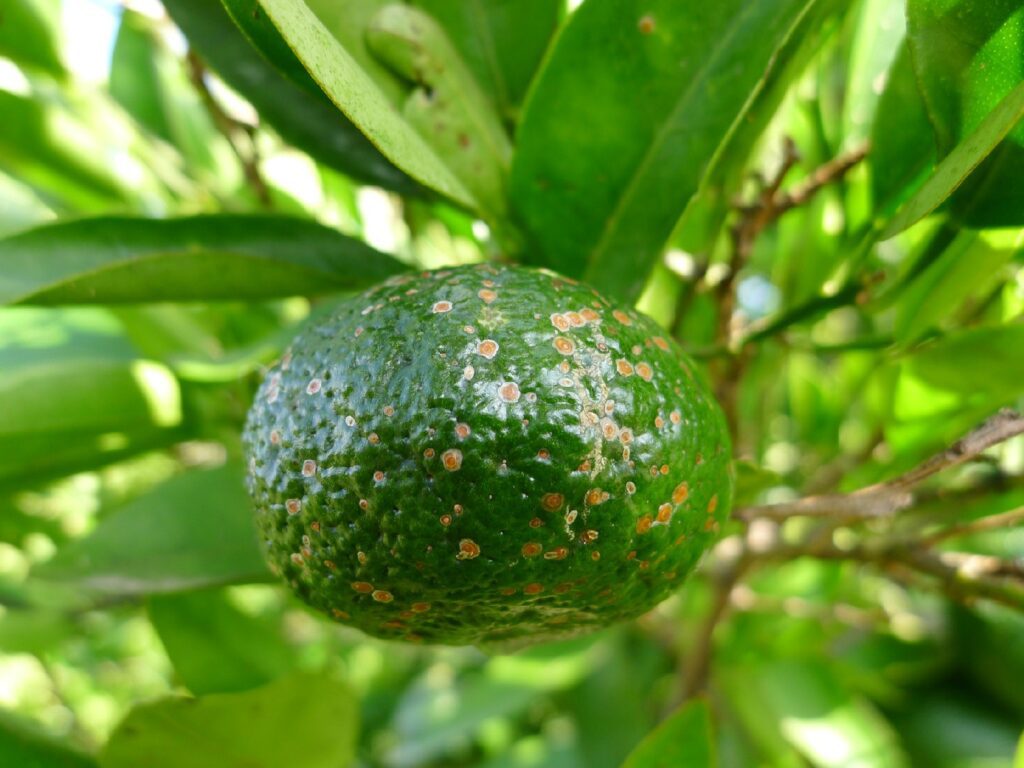
In fruit, scale insects feed directly on plant tissues, causing sap loss and surface damage that can significantly reduce commercial quality. Some species establish themselves on the fruit surface and form visible colonies, while others produce small lesions around the feeding points. Prolonged feeding can weaken the plant and lead to reduced growth and fruit development. Some species also produce honeydew, a sugary substance that promotes the development of sooty mold on the surface and causes dark spots. In severe infestations, the fruit can become covered with numerous scale insects and suffer considerable commercial depreciation.
• Presence of scale insects, mealybugs, or small insects on the fruit surface
• Punctures and small lesions around feeding sites
• Yellowish, brownish, or reddish discoloration
• Surface spots and necrotic areas in heavy infestations
• Presence of honeydew on the surface
• Appearance of sooty mold or black deposits on the fruit
• Dirty, sticky, or blackened appearance of the surface
• Reduction in aesthetic and commercial quality
• Deformities or developmental abnormalities of the fruit
• General weakening of the plant in heavy infestations
• Presence of nymphs and adults clustered in sheltered areas


DEVELOPMENT CONDITIONS
Temperature:
20–30 °C
Humidity:
60–90 %

HOW IS IT SPREAD?
Contact between plants, dispersal of nymphs, wind, transport of infested plant material, transport of infested fruit, contaminated tools, agricultural machinery, animals, movement of workers

HOW TO ELIMINATE IT?
Home treatments
There are no home treatments
Natural allies
Chemical treatments
There are no treatments for this disease. Treatments are directed at the insect vectors that transmit it. See insect treatments.
RECOMMENDED PRODUCTS TO ELIMINATE THE PEST
Sponsored link

Sponsored link
Sponsored link


Sponsored link
Sponsored link
Effective against all types of fungi

Sponsored link


Sponsored link
Sponsored link

Sponsored link


Sponsored link
Sponsored link
Sponsored link


Sponsored link

PLANTAS REPELENTES

RECOMMENDATIONS
OTHER PESTS THAT MAY INTEREST YOU


DID YOU LIKE IT?
Now you can always have it on your mobile, without ads and totally FREE. TRY idMicrobe NOW!


