


Lechuga y similares
How to recognize and combat diamondback moths in lettuce and similar plants
Diamondback Moth
Insect
Type:
Risk to the plant:
HIGH
Plutella Xylostella
Pathogen:
Polillas


WHO CAUSES IT?
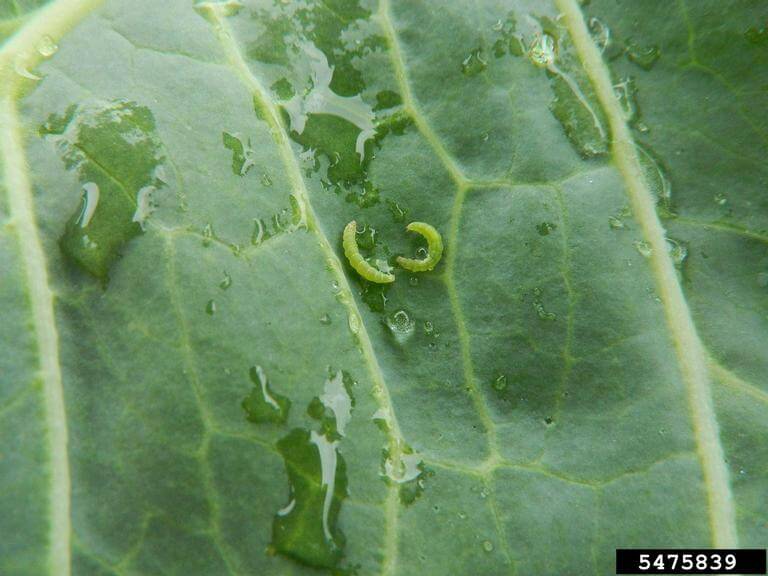
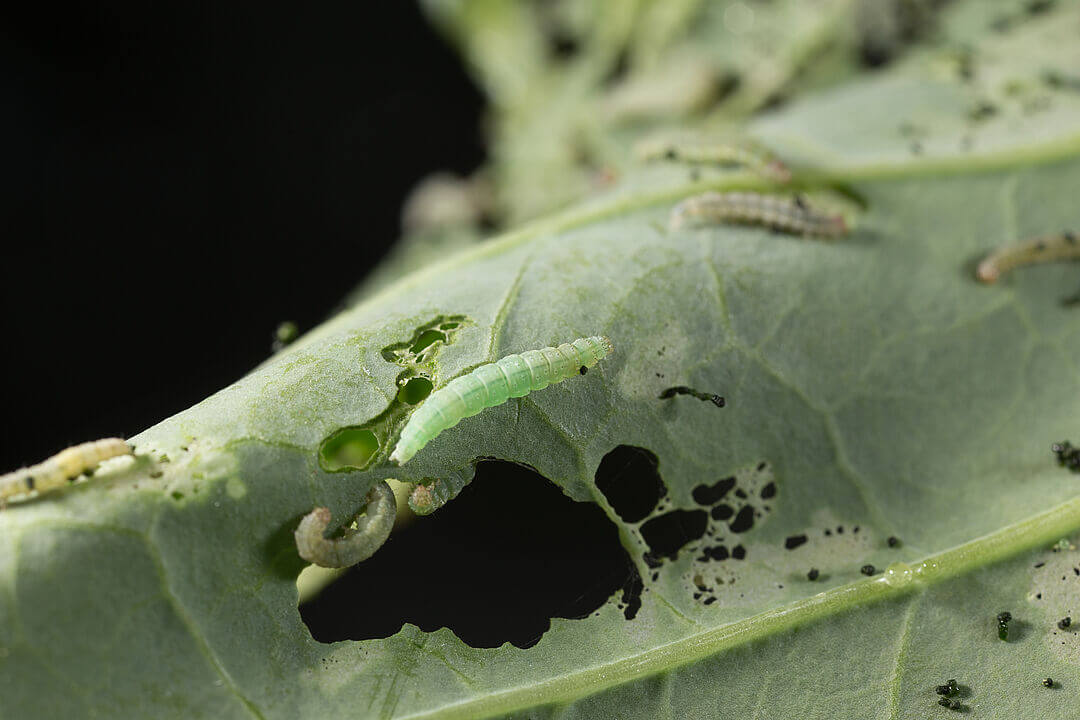
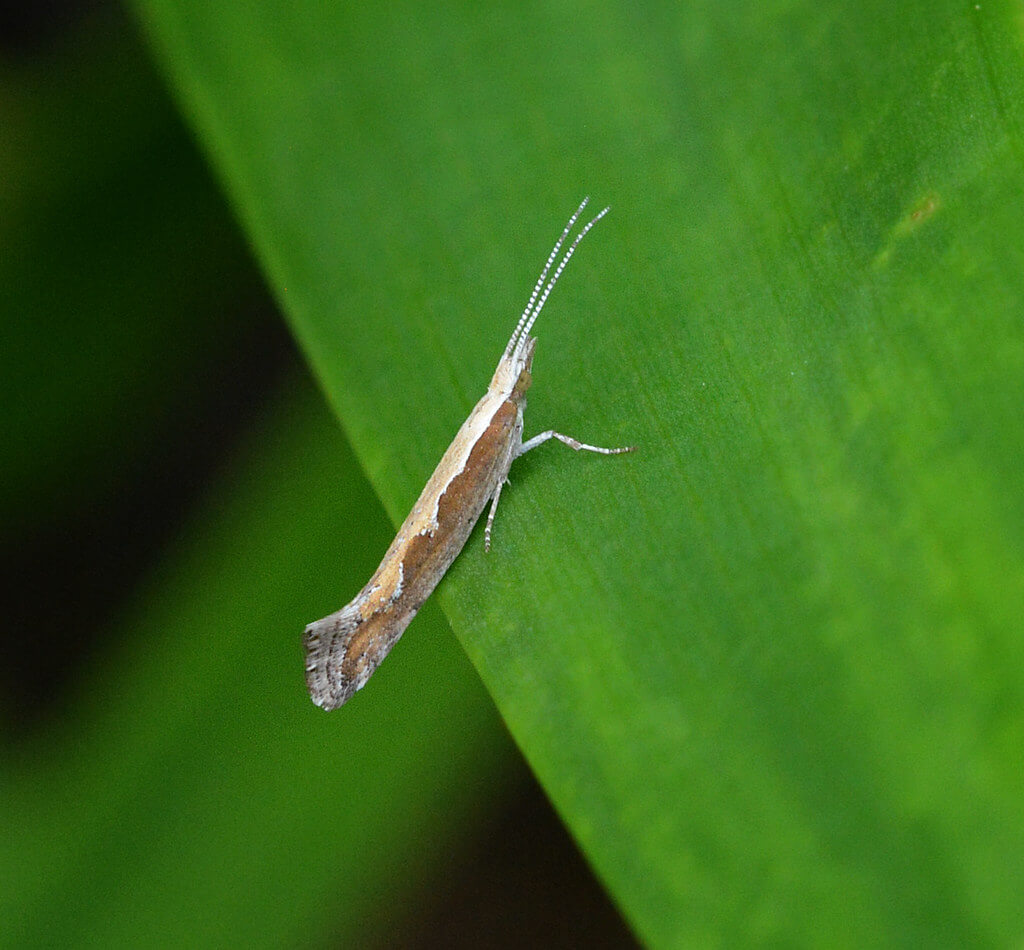
Plutella xylostella, known as the diamondback moth, is a lepidopteran insect that affects various species of plants in the Brassicaceae family and others similar to it. Adult females lay their eggs on the underside of leaves, where the larvae emerge and begin to feed on plant tissue. These larvae go through several phases of development, known as larval stages, during which they generate much of the damage by feeding on the leaves, leaving characteristic holes and desiccated areas. Later, the larvae transform into pupae, generally on the underside of leaves or in structures near the plant. After a pupal period, adults emerge and restart the cycle, with several generations per year in warm climates. This insect is especially problematic due to its high reproductive capacity and rapid spread under favorable conditions.

SYMPTOMS
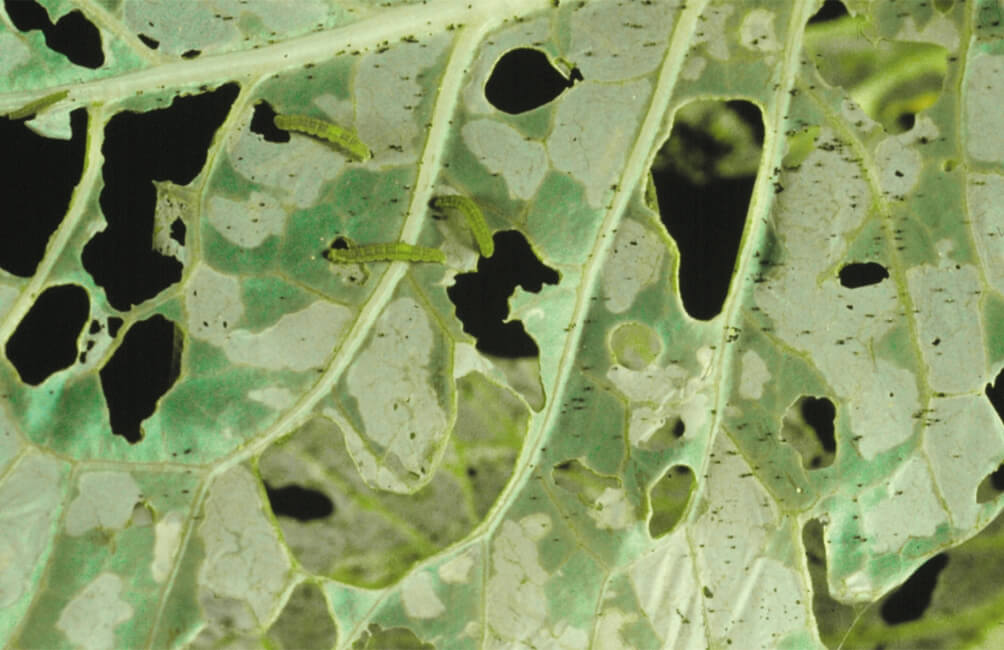
The diamondback moth causes severe damage to lettuce and similar crops, compromising photosynthetic capacity and weakening plant structure. The larvae feed voraciously on the leaf tissue, perforating the leaves and generating irregular holes that facilitate the entry of secondary pathogens. In severe cases, the loss of leaf mass is significant, affecting the general development of the plant and reducing the quality of the product.
- Presence of irregular holes in the leaves caused by larvae.
- Desiccation and loss of turgor in the affected leaves.
- Perforated leaves that facilitate infection by other pathogens.
- Delayed growth of affected plants.
- Loss of crop quality, with leaves unusable for the market.


DEVELOPMENT CONDITIONS
Temperature:
15-30°C
Humidity:
50-90%

HOW IS IT SPREAD?
Wind, direct contact between plants, agricultural machinery, infected plants introduced into the crop

HOW TO ELIMINATE IT?
Home treatments
There are no home treatments
Natural allies
Chemical treatments
There are no treatments for this disease. Treatments are directed at the insect vectors that transmit it. See insect treatments.
RECOMMENDED PRODUCTS TO ELIMINATE THE PEST





PLANTAS REPELENTES

RECOMMENDATIONS
OTHER PESTS THAT MAY INTEREST YOU


DID YOU LIKE IT?
Now you can always have it on your mobile, without ads and totally FREE. TRY idMicrobe NOW!



Explore more tools
Services
Contact
Legal
©2023 por ZeriMar Laboratoire. Todos los derechos reservados.