


Higo o higuera
How to recognize and combat root rot in figs or fig trees
Root Rot
Fungus
Type:
Risk to the plant:
CRITICAL
Armillaria Mellea, Rosellinia Necatrix, Roesleria Hipogea
Pathogen:
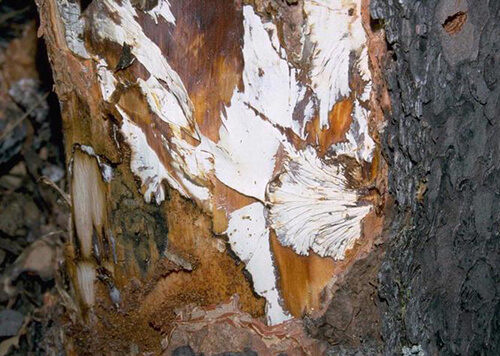
Moho blanco


WHO CAUSES IT?
Armillaria mellea, Rosellinia necatrix and Roesleria hypogea are pathogenic fungi responsible for root rot in fig trees. Armillaria mellea is characterized by forming rhizomorphs, root-like structures that allow the fungus to disperse through the soil. This fungus can infect both live and dead roots and form fruiting bodies at the base of affected trees. Rosellinia necatrix spreads through mycelium and spores in the soil, mainly attacking large, weakened roots. This fungus also produces resistance structures called sclerotia, which can remain viable in the soil for years. Roesleria hypogea, less common, is found in calcareous soils and spreads by spores released from fruiting bodies. Each of these fungi penetrates the roots, decomposing the tissue and compromising the plant's vascular system.

SYMPTOMS
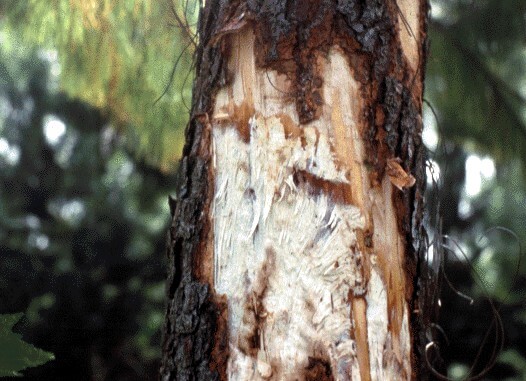
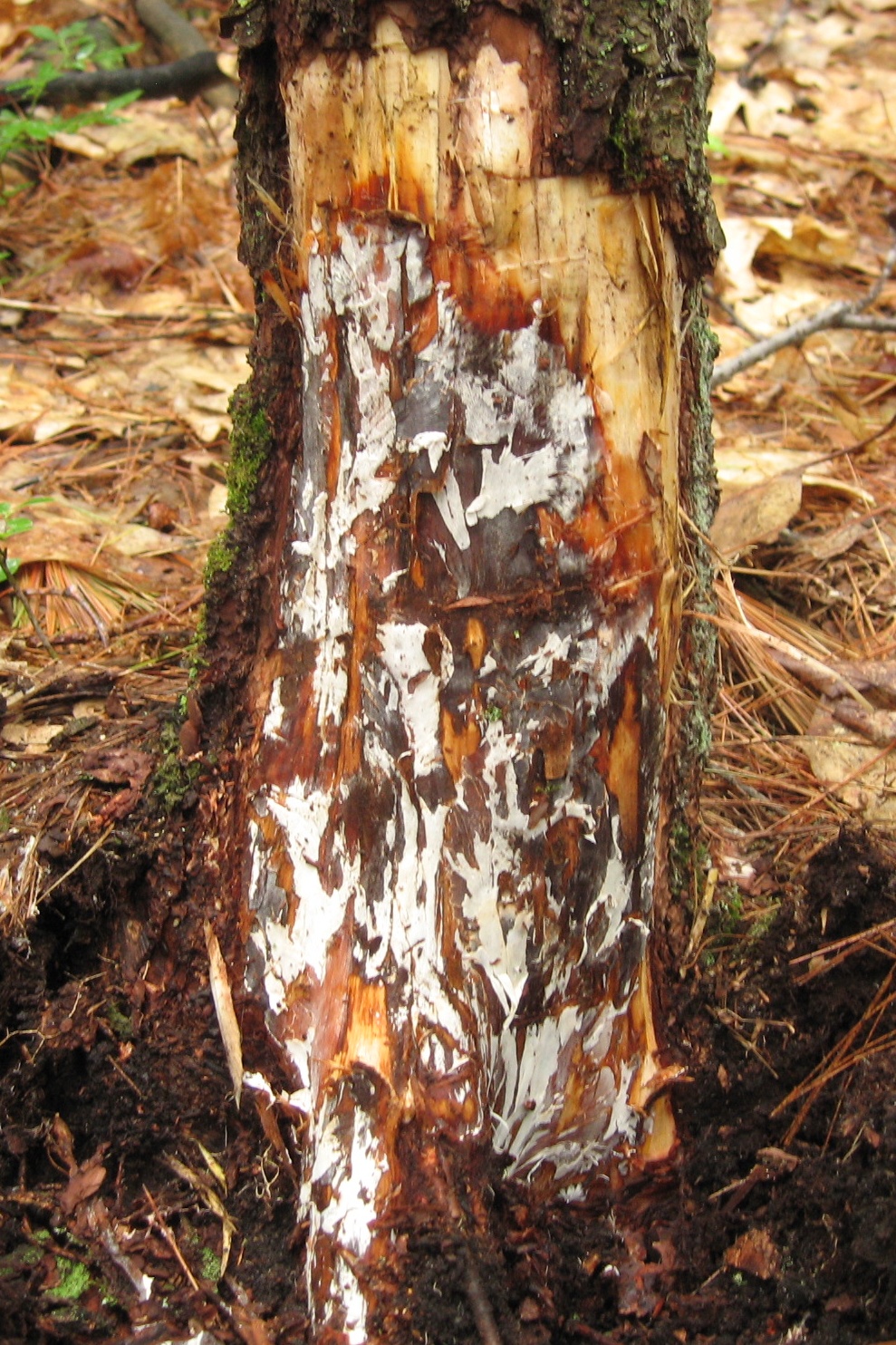
Root rot caused by these pathogens in figs or fig trees manifests itself through a series of symptoms that affect the vitality and productivity of the plant. The weakening of the root system prevents adequate absorption of water and nutrients, resulting in the general decay of the tree.
- Wilting of the leaves, especially in periods of water stress.
- Yellowing and premature leaf fall.
- Delay in the growth of new shoots.
- Presence of fungi or fruiting bodies at the base of the trunk.
- Discoloration and necrosis in the roots.
- Reduction in the production and quality of the fruits.
- Progressive death of branches and, in severe cases, of the entire plant.


DEVELOPMENT CONDITIONS
Temperature:
15-25 °C
Humidity:
60-85 %

HOW IS IT SPREAD?
Contact with infected roots, spores in the soil, contaminated tools, contaminated irrigation water, infected planting material

HOW TO ELIMINATE IT?
Home treatments
Natural allies
Chemical treatments
RECOMMENDED PRODUCTS TO ELIMINATE THE PEST

PLANTAS REPELENTES

RECOMMENDATIONS
OTHER PESTS THAT MAY INTEREST YOU
THE MOST POPULAR
DID YOU LIKE IT?
Now you can always have it on your mobile, without ads and totally FREE. TRY idMicrobe NOW!


Explore more tools
Services
Contact
Legal
©2023 por ZeriMar Laboratoire. Todos los derechos reservados.