


Patata
How to recognize and combat potato moths or Guatemalan potato moths in potatoes
Potato Moth Or Guatemalan Moth
Insect
Type:
Risk to the plant:
INTERMEDIATE
Tecia Solanivora
Pathogen:
Polillas


WHO CAUSES IT?
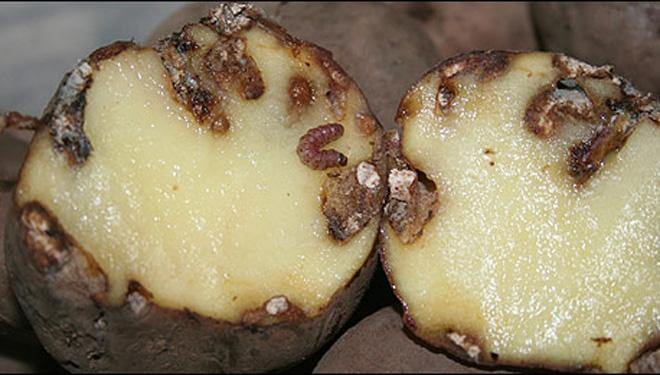
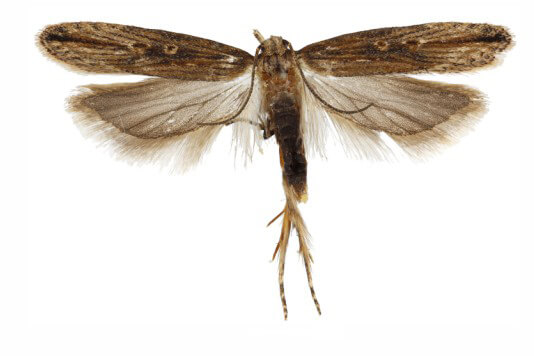
Tecia solanivora, known as the potato moth or Guatemalan moth, is a lepidopteran insect that mainly affects potato crops. The life cycle of the moth begins with laying eggs on or near potato tubers. The emerging larvae feed on the tubers, causing significant damage. Once the larvae complete their development, they pupate and emerge as adults, repeating the cycle. This insect can have several generations throughout a growing season, especially in warm climates.

SYMPTOMS
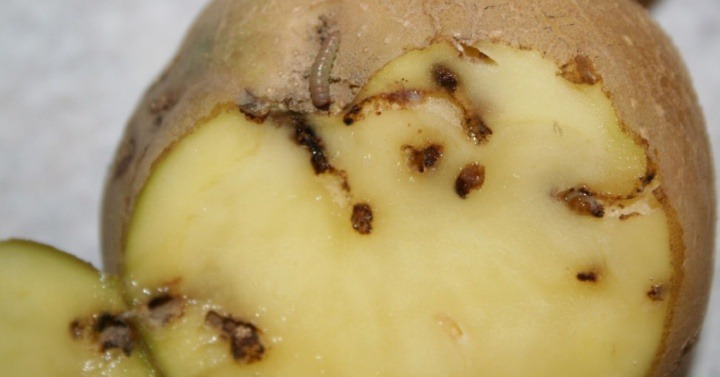
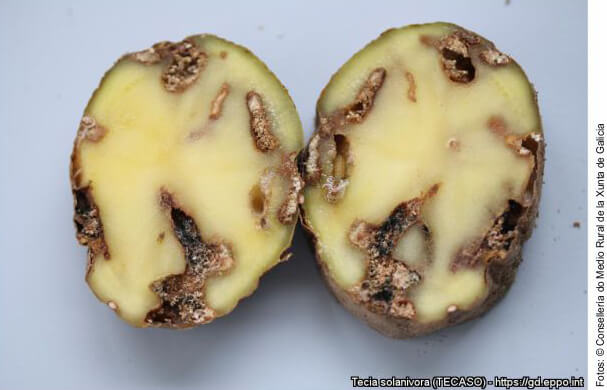
The potato moth causes damage to the tubers, where the larvae dig tunnels while feeding on the tissues. This damage reduces the quality of the tubers and can make them more susceptible to secondary infections. In addition, damaged tubers can emit an unpleasant odor and lose their commercial value.
• Dig tunnels in the potato tubers.
• Decrease in the quality of tubers.
• Unpleasant odor emitted by damaged tubers.
• Greater susceptibility to secondary infections.


DEVELOPMENT CONDITIONS
Temperature:
22°C - 30°C
Humidity:
70% - 90%

HOW IS IT SPREAD?
Flight, direct contact with infected tubers, contaminated growing tools.

HOW TO ELIMINATE IT?
Home treatments
There are no home treatments
Natural allies
Chemical treatments
There are no treatments for this disease. Treatments are directed at the insect vectors that transmit it. See insect treatments.
RECOMMENDED PRODUCTS TO ELIMINATE THE PEST





PLANTAS REPELENTES

RECOMMENDATIONS
OTHER PESTS THAT MAY INTEREST YOU


DID YOU LIKE IT?
Now you can always have it on your mobile, without ads and totally FREE. TRY idMicrobe NOW!



Explore more tools
Services
Contact
Legal
©2023 por ZeriMar Laboratoire. Todos los derechos reservados.