


Frutales de pepita
How to recognize and combat thrips in pome fruit trees
Thrips
Insect
Type:
Risk to the plant:
INTERMEDIATE
Thrips
Pathogen:
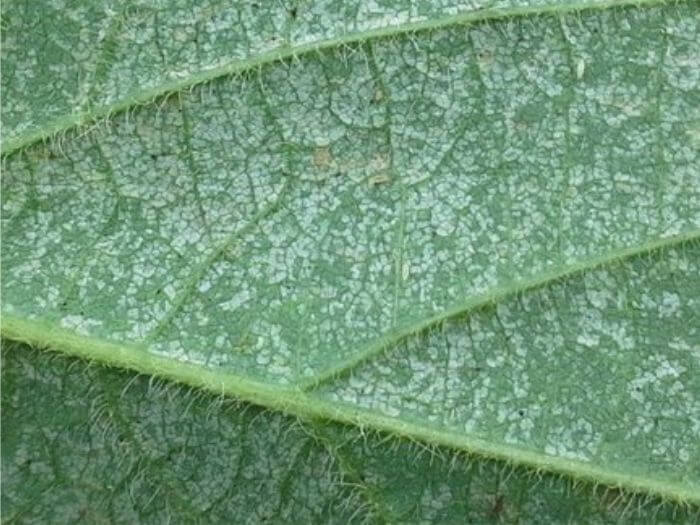
Trips


WHO CAUSES IT?
Frankliniella occidentalis, commonly known as thrips, is a tiny insect that belongs to the order Thysanoptera. This insect is highly polyphagous, affecting a wide variety of plants, including pome fruit trees. Adults are approximately 1-2 mm and yellow to brown in color. The female lays her eggs within the plant tissue, which provides protection to the offspring. The larvae emerge and go through several nymphal stages before becoming adults. During these phases, thrips feed on plant cells, using their scraping and sucking mouthparts to extract cellular contents, causing significant damage to plant tissues. Reproduction is rapid and can produce several generations per year, especially under favorable temperature and humidity conditions. The ability to disperse through flight and wind facilitates the spread of the pathogen to new areas.

SYMPTOMS
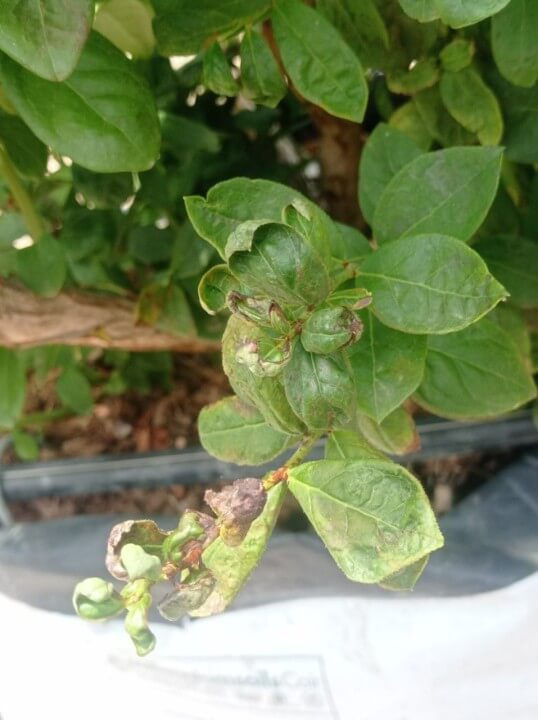
Thrips cause significant disease in pome fruit trees, manifesting through direct and indirect damage to the plants. Direct damage includes the destruction of plant cells, leading to the appearance of Taches and scars on fruits, leaves and flowers. Indirect damage occurs due to the transmission of viruses and other pathogens that thrips can carry.
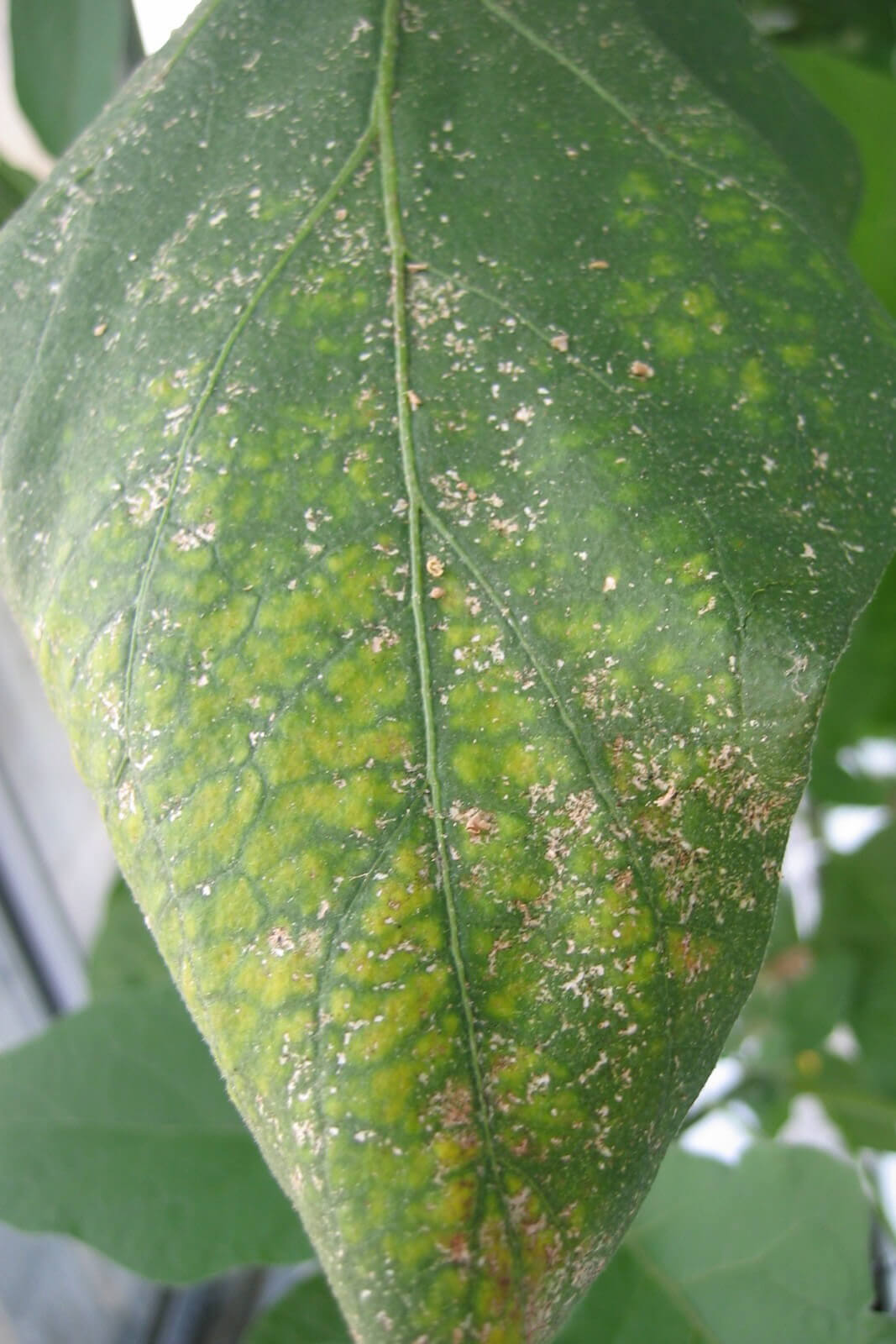
- Silvery or whitish Taches on the leaves and fruits.
- Deformation and scarring of the fruits.
- Premature fall of flowers and fruits.
- Delay in plant growth.
- Presence of black excrement in the affected areas.
- Transmission of viruses that cause additional diseases.


DEVELOPMENT CONDITIONS
Temperature:
20°C - 30°C
Humidity:
60% - 80%

HOW IS IT SPREAD?
Wind, contaminated tools, infected plants, direct contact with leaves and fruits, movements of people and machinery, irrigation water

HOW TO ELIMINATE IT?
Home treatments
There are no home treatments
Natural allies
Chemical treatments
There are no treatments for this disease. Treatments are directed at the insect vectors that transmit it. See insect treatments.
RECOMMENDED PRODUCTS TO ELIMINATE THE PEST





PLANTAS REPELENTES

RECOMMENDATIONS
OTHER PESTS THAT MAY INTEREST YOU


DID YOU LIKE IT?
Now you can always have it on your mobile, without ads and totally FREE. TRY idMicrobe NOW!



Explore more tools
Services
Contact
Legal
©2023 por ZeriMar Laboratoire. Todos los derechos reservados.